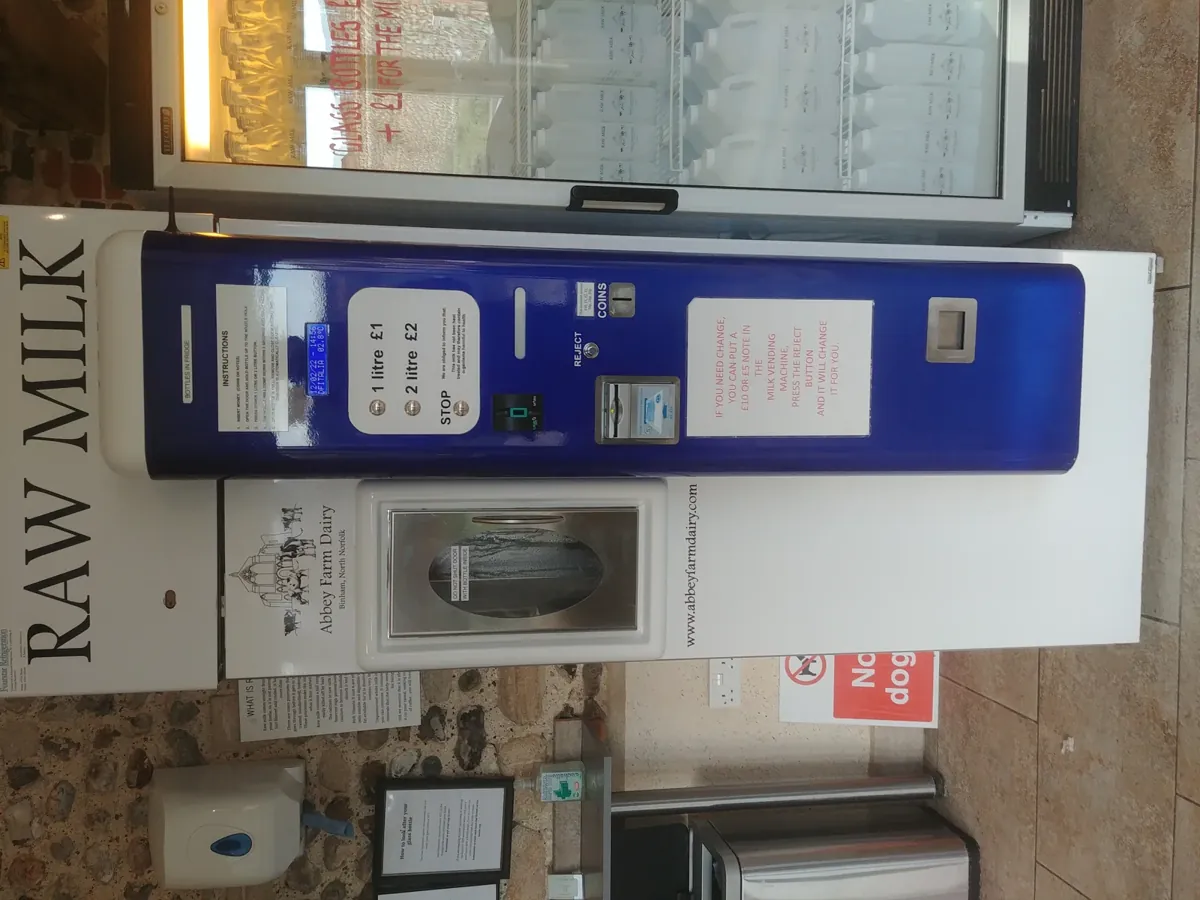
Few topics in the nutritional world are as fiercely debated as raw (unpasteurized) milk. Proponents argue it is a living, functional food that cures allergies and heals the gut, while public health agencies uniformly condemn it as a severe biological hazard. To separate ideology from biology, we must look at exactly what happens to milk during pasteurization and evaluate the actual statistical risks of consuming it raw.
What Pasteurization Actually Destroys
Pasteurization (typically heating milk to 161°F for 15 seconds) was an absolute public health necessity during the Industrial Revolution, when urban cows were kept in horrific conditions and tuberculosis transmission was rampant. However, heat is indiscriminate. While it destroys deadly pathogens (like Listeria and E. coli), it also fundamentally alters the milk's biochemical structure.
- Enzymatic Destruction: Raw milk contains native enzymes, most notably lactase (which helps digest lactose) and alkaline phosphatase (which aids calcium absorption). Pasteurization completely denatures these enzymes, which is why many individuals tolerate raw milk better than pasteurized milk.
- Protein Denaturation: The delicate whey proteins in milk are heavily altered by heat, reducing their bioavailability and potentially making them more allergenic.
- Microbial Sterilization: Raw milk is teeming with beneficial Lactobacillus bacteria that compete with pathogens and support the human microbiome. Pasteurization creates a sterile, dead liquid.
The True Risks and The "Raw Milk Institute" Standard
The CDC is correct in stating that raw milk is far more likely to carry foodborne illness than pasteurized milk. The risk of Campylobacter or Salmonella contamination is real. However, the risk profile changes drastically depending on the source.
| Farming Method | Pathogen Risk | Verdict |
|---|---|---|
| Industrial CAFO (Feedlot) | Extreme | Never drink raw. Pasteurization is mandatory. |
| Standard Pasture-Raised | Moderate | Proceed with caution; know the farmer. |
| Raw Milk Institute (RAWMI) Certified | Very Low | Rigorous daily testing ensures medical-grade safety. |
The Verdict
Consuming raw milk is a calculated risk. If you are immunocompromised, pregnant, or feeding young children, the potential consequences of Listeria infection outweigh the nutritional benefits. However, for healthy adults sourcing exclusively from certified, rigorously tested micro-dairies, raw milk represents one of the most complete, biologically active foods available in the human diet.
Related: A2 Milk Explained: The Science of Dairy Digestibility | The Art of Cultured Butter: How to Make It at Home