Minas Gerais, Brazil's second most populous state and its historical heartland of dairy production, has a food culture built around milk and fresh cheese in a way that has no real parallel in other regions of the country. The state produces more milk than any other Brazilian state, accounting for approximately 27 percent of Brazil's total milk production (approximately 9.3 billion litres annually, according to IBGE, the Brazilian Institute of Geography and Statistics, 2023 data), and this abundance of high-quality dairy has shaped a regional cuisine in which milk features in dishes spanning breakfast, main courses, and desserts. Among the sweets of Minas Gerais, bolo de leite occupies a particular place: it is the milk cake that appears at birthday parties, family Sunday lunches, school fêtes, and padarias (bakeries) throughout the state, carrying a flavour that for millions of Brazilians is inseparable from the taste of childhood and home.
What Is Bolo de Leite?
Bolo de leite ("milk cake" in Portuguese) is a simple but distinctively textured cake characterised by a high proportion of milk and condensed milk in the batter, which produces a moist, dense crumb that is more pudding-like in character than a typical sponge cake. Unlike French or British milk cakes that use milk primarily as a liquid for hydrating flour, the mineiro (Minas Gerais native) bolo de leite treats milk as a primary flavour ingredient, and the best versions have a pronounced dairy richness throughout the crumb that distinguishes them from other regional Brazilian cakes.
The basic formula typically involves whole milk, sweetened condensed milk (leite condensado), eggs, butter, wheat flour, baking powder, and usually a small amount of grated fresh coconut (coco ralado), though this last addition varies by household and region. Some versions add grated queijo minas (the characteristic fresh white cheese of the state) directly to the batter, creating a subtle savoury-sweet complexity that is the mark of a truly traditional mineiro preparation. Others add Parmesan or a similar aged cheese for a more pronounced salty note.
The texture of bolo de leite when properly made is quite specific: the interior crumb should be moist and slightly dense without being heavy, with a thin browned crust on the exterior. It is not a soufflé-light genoise nor a dense pound cake; it falls somewhere between the two, and this particular texture, achieved through the combined action of the milk proteins, condensed milk sugars, and the relatively modest flour quantity, is what distinguishes the real thing from a generic yellow cake with milk added.
Minas Gerais and the Dairy Tradition
The dairy culture of Minas Gerais traces directly to the colonial period. Portuguese colonisers established cattle ranches in the region from the late 17th century, initially to provide beef for the mining towns of the interior. As the gold and diamond mining economy matured and then declined in the late 18th century, cattle ranching and dairy production increasingly became economic mainstays of the state's interior communities. The cool upland climate of much of Minas Gerais, particularly in the Zona da Mata and the southern plateaus, proved well suited to dairy cattle, and a tradition of fresh cheesemaking and milk-based cooking took root that distinguished Minas Gerais from the more tropical coastal states.
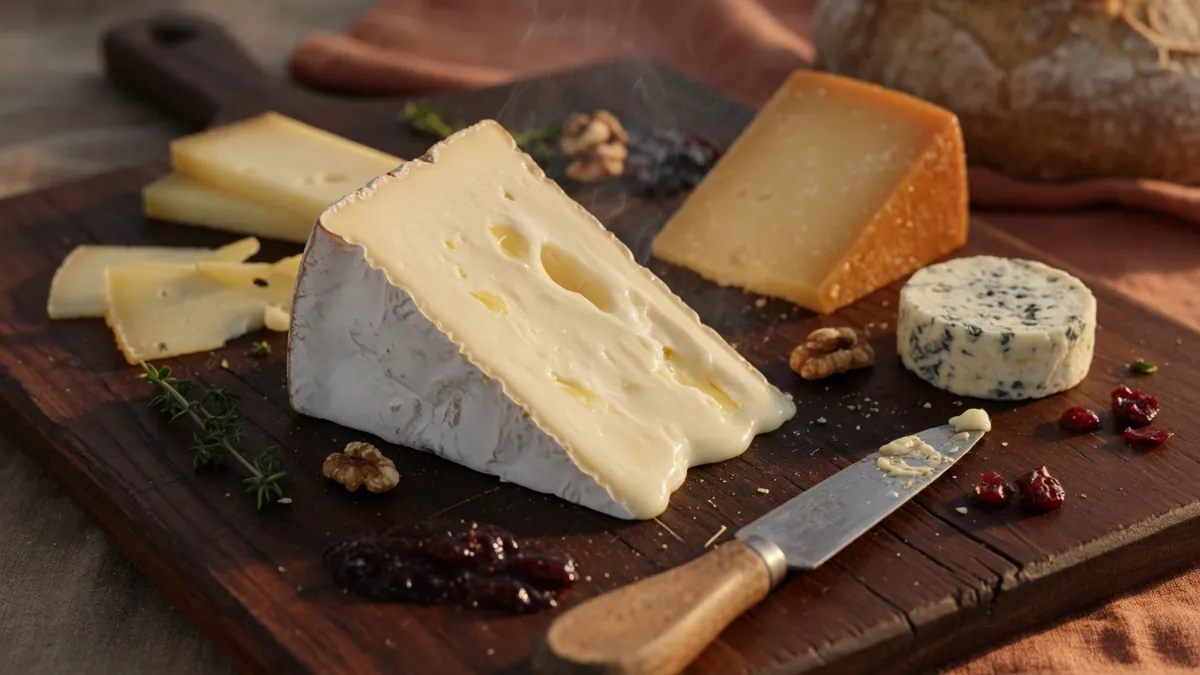
Queijo Minas, the state's defining cheese, comes in three primary styles. Queijo Minas Frescal is a soft, high-moisture fresh white cheese similar in appearance to Italian fior di latte, produced throughout the state and consumed within days of production. Queijo Minas Meia-Cura (half-cured) is aged for approximately 15 to 30 days and develops a firmer texture and mild lactic tang. Queijo Minas Curado (cured) is aged for two to four months and acquires a harder, more complex character. In 2008, UNESCO declared the "Modo Artesanal de Fazer Queijo de Minas" (the artisanal method of making Queijo de Minas) an intangible cultural heritage of Brazil, recognising the centuries-old tradition of small-scale cheesemaking practiced by queijeiros (cheesemakers) throughout the state.
The Serro, São João del-Rei, Araxá, Canastra, and Cerrado regions within Minas Gerais each produce artisanal queijo minas with distinct terroir-influenced characteristics, much as French AOC regions produce distinct cheeses from the same general type. The Queijo Canastra, from the Serra da Canastra region, is particularly prized for its balanced flavour and has been the subject of ongoing debates over raw milk regulations, as Brazilian federal law historically required pasteurisation for commercial cheese sales, conflicting with the artisanal tradition of using raw milk in Queijo Minas production. A 2019 federal decree (Decreto 9918/2019) created a framework permitting raw milk artisanal cheeses meeting specific safety criteria to be sold interstate, partially resolving this long-standing conflict.
Regional Variations of Bolo de Leite
As with most deeply embedded regional foods, bolo de leite varies significantly from kitchen to kitchen and town to town within Minas Gerais. Several distinct regional styles have emerged over the decades.
Bolo de Leite com Coco
The most common everyday version incorporates grated fresh coconut in the batter and often as a topping. The coconut adds a slightly chewy texture and a tropical sweetness that complements the dairy richness. This is the version most frequently found in padarias and confeitarias throughout the state, and the one that most non-Mineiros encounter when visiting the region. Some versions use coconut milk instead of or in addition to fresh coconut, producing a richer, more fragrant result.
Bolo de Queijo (Milk and Cheese Cake)
A more distinctive mineiro preparation incorporates a generous quantity of queijo minas frescal or queijo meia-cura grated into the batter. The cheese melts during baking and contributes both a subtle salty-savoury counterpoint to the sweetened condensed milk and a slightly springy texture to the crumb. This version is less common commercially but is a staple of farmhouse cooking in the interior of the state, where fresh cheese is always available and is used as unselfconsciously in sweet preparations as in savoury ones.
Bolo de Leite de Latinha (Tin Milk Cake)
A modern convenience version uses the standard Brazilian measurement of one tin (lata) of sweetened condensed milk as the base unit, filling the same tin with regular milk (two tins), and using two or three eggs plus self-raising flour (farinha com fermento) measured by the same tin. This approach, common throughout Brazilian home baking, produces a highly consistent result regardless of the cook's experience level and is the version most likely to be found in social media recipes and cooking channels (the Brazilian YouTube baking space is enormous, with channels such as Tastemade Brasil and TudoGostoso regularly publishing bolo de leite variations to audiences in the millions).
Bolo de Leite do Interior
In more rural areas of the state, bolo de leite may be made with curd (coalho de leite) or requesão (a ricotta-like fresh cheese spread) in place of some of the liquid milk, producing a denser and more protein-rich result that keeps longer at room temperature, an important consideration in areas without reliable refrigeration until relatively recently in the state's history.
Bolo de Leite in Brazilian Food Culture
Bolo de leite occupies the same position in Mineiro identity that bolo de fubá (cornmeal cake), pão de queijo (cheese bread), and feijão tropeiro (mule driver's bean stew) do: it is a carrier of nostalgia and regional pride, the food that people from Minas Gerais who have moved to São Paulo or Rio de Janeiro seek out at Mineiro restaurants or make at home to reconnect with their origins. The food writer and cultural commentator Carlos Alberto Dória, in his 2014 book "Culinária Brasileira: Mitos e Gastronomia," discusses the Mineiro relationship with dairy and cheese as foundational to the state's distinct cultural self-perception, which sets itself apart from both the African-influenced coastal cuisines of Bahia and the Italian-influenced cooking of São Paulo.
Bolo de leite and its close relatives, including bolo de queijo, rosca de leite (a ring-shaped milk bread), and pudim de leite condensado (condensed milk pudding, a national dish but particularly beloved in Minas), reflect a food culture that was historically richer in dairy than the coastal sugar-producing states. Where Bahia's sweet traditions are built around sugarcane, dendê oil, and coconut, and where São Paulo's are shaped by Italian, Japanese, and Middle Eastern immigrant traditions, Minas Gerais has its dairy patrimony as the defining flavour memory of the state.
In contemporary Brazil, bolo de leite has been elevated beyond its everyday status by chefs including André Mifano of Vito restaurant in São Paulo and by the growing appreciation of comida mineira (Minas Gerais cuisine) in the São Paulo fine dining scene. Restaurants serving comida mineira have proliferated in São Paulo's neighbourhoods of Pinheiros and Vila Madalena, where the home cooking traditions of Minas Gerais are presented alongside doce de leite (milk jam), jabuticaba (the distinctive Minas Gerais native fruit), and linguiça de porco (pork sausage) as markers of a distinct and valued regional identity.
A Recipe Framework for Bolo de Leite
The following framework reflects the most common traditional approach used in Mineiro homes. Proportions can be adjusted to taste.
Ingredients (serves 10 to 12 slices):
- 3 large eggs
- 1 can (395 grams) sweetened condensed milk
- 1 can (using the condensed milk can as measure, approximately 395 mL) whole milk
- 100 grams unsalted butter, melted
- 2 cups (240 grams) all-purpose wheat flour
- 1 tablespoon baking powder
- 1 cup (80 grams) grated fresh coconut, or 100 grams queijo minas frescal, grated (or both)
- Pinch of salt
Method:
- Preheat the oven to 180 degrees Celsius. Butter and flour a standard loaf tin or a 22-centimetre round cake tin.
- Whisk eggs, condensed milk, and whole milk together until combined.
- Add melted butter and whisk to incorporate.
- Sift flour, baking powder, and salt together, then fold into the wet mixture gently until no dry flour remains. Do not overmix.
- Fold in the coconut and/or cheese if using.
- Pour into the prepared tin and bake for 35 to 45 minutes, until the top is golden brown and a toothpick inserted in the centre comes out with moist (not wet) crumbs. The cake will settle slightly as it cools; this is normal.
- Allow to cool in the tin for 15 minutes before turning out. Serve at room temperature or very slightly warm.
The cake keeps well at room temperature for two days or refrigerated for up to five days. In Minas Gerais, it is typically served unadorned or dusted with powdered sugar, with a strong café com leite (strong coffee with hot milk, the standard Mineiro breakfast drink) alongside.
Bolo de Leite and the Doce de Leite Family
Bolo de leite belongs to a broad family of Minas Gerais milk sweets that includes doce de leite (cooked down sweetened milk, related to Argentine dulce de leche), ambrosia (eggs and milk cooked together in a sweet syrup), leite creme (a stovetop custard thickened with cornstarch), and cajuzinho de leite (small sweets made from powdered milk, condensed milk, and ground peanuts). These sweets collectively represent a regional confectionery tradition that preceded Brazil's integration into the global food economy and continues to define celebratory and quotidian eating throughout the state. Understanding bolo de leite fully means situating it within this family of milk-based preparations that are simultaneously humble everyday foods and powerful markers of cultural identity.
Related: Condensed Milk: History, Production, and Its Role in Brazilian and Asian Desserts | Pão de Queijo: The Science and Culture of Brazil's Cheese Bread