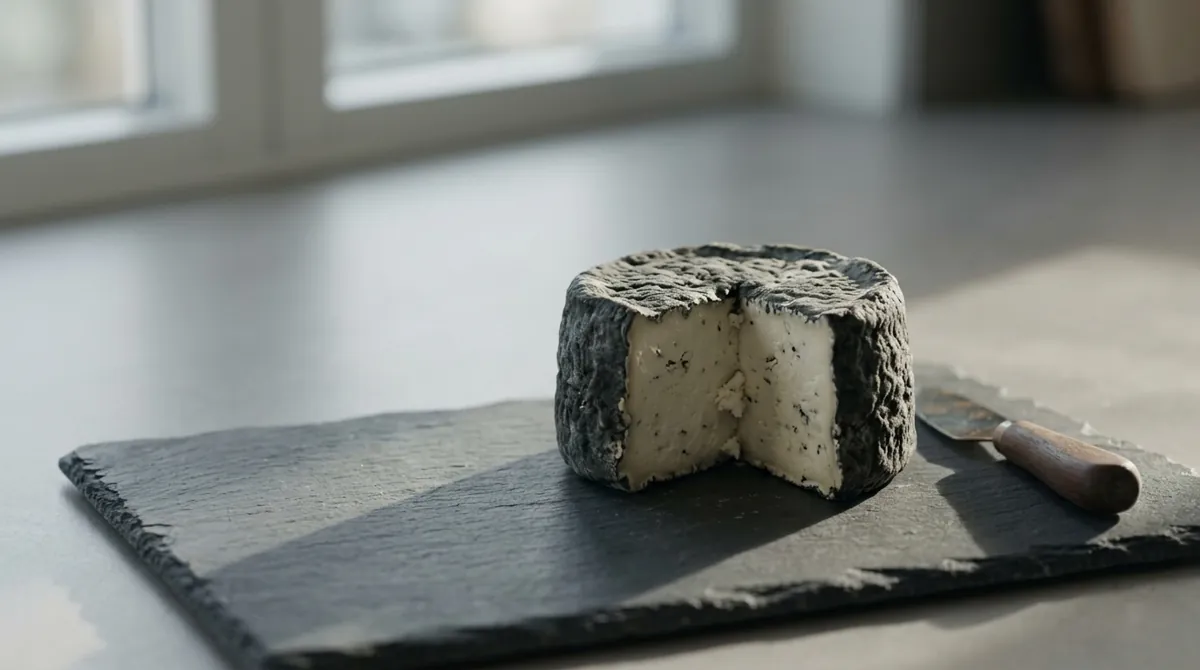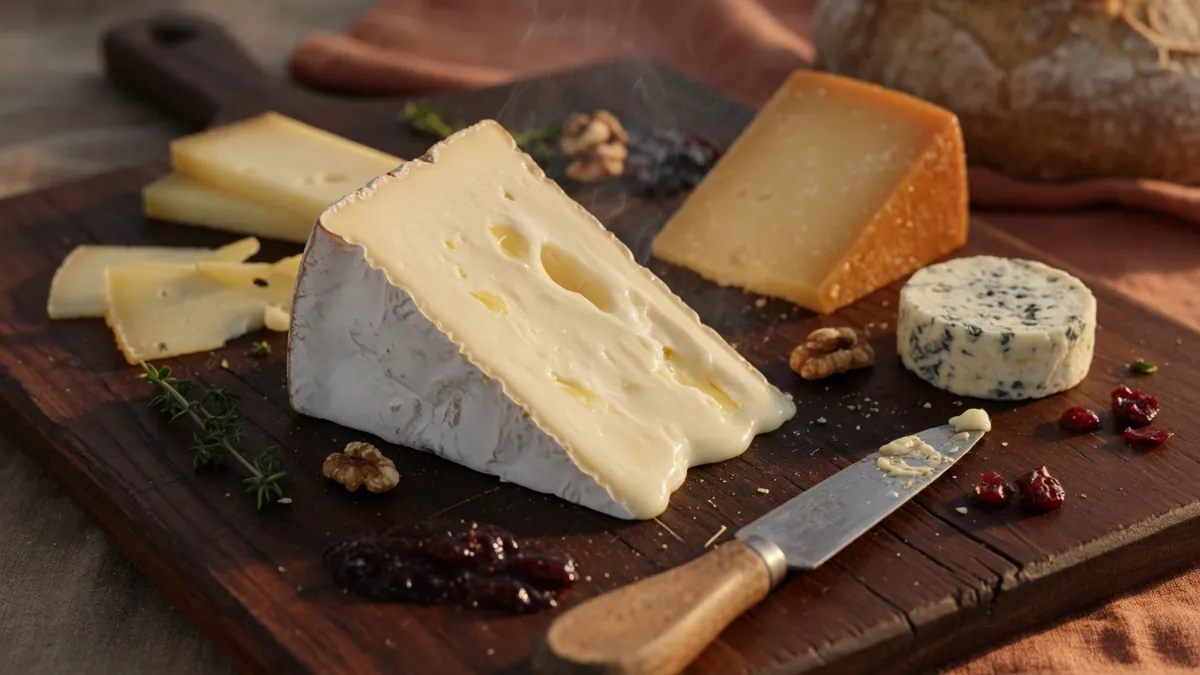
Stroll down the dairy aisle of any modern supermarket, and you are greeted by an abundance of choices. You will find cheeses crafted from the milk of cows, goats, and sheep. With a bit of searching, you can easily source dairy products made from water buffalo, yaks, camels, or even reindeer. Yet, there is one highly domesticated, incredibly common animal that is conspicuously absent from the cheese board: the pig.
Pigs are everywhere, having been domesticated by humans for over 10,000 years. Sows produce plenty of milk for their large litters, and chemically speaking, that milk is exceptionally rich. It contains roughly 8.5% fat and 6% protein—significantly higher than cow's milk. In terms of cheese-making chemistry, a high fat-to-protein ratio typically guarantees an excellent, high-yielding cheese. So why is pig cheese not a staple of human agriculture? The explanation is a fascinating mixture of anatomy, behavioral biology, and digestive biochemistry.
The Lactation Anatomy: UDders vs. Alveoli
To understand why we don't milk pigs, we must first look at the physical architecture of lactation. Ruminants like cows, sheep, and goats possess centralized udders equipped with large hollow chambers called milk cisterns. Throughout the day, milk is synthesized and drains into these cisterns, where it pools. When it is time to milk the animal, gravity and simple mechanical pressure on the teat empty this reservoir easily. You can milk a cow continuously for several minutes.
Sows are built on an entirely different design. They have two rows of mammary glands along their abdomen, with 10 to 16 small, separate teats, but they possess **no milk cisterns**. Instead, their milk is stored inside microscopic, sponge-like secretory tissues called **alveoli**. The milk cannot pool; it must be continuously expressed under active, hormonal pressure.
The Hormonal Letdown: A 15-Second Window
Because sows lack storage reservoirs, extracting milk requires the active release of the hormone **oxytocin** to contract the alveolar walls. Piglets stimulate this letdown by vigorously massaging the sow's abdomen with their snouts for up to a minute. Sows are incredibly stingy with the resulting milk flow.
While a dairy cow will let down her milk for 5 to 8 minutes, a sow will only let down her milk for **15 to 30 seconds**. Once that brief window closes, the oxytocin degrades, and you must wait another 50 to 60 minutes for the next cycle. To manually gather even a single glass of pig milk, a human would have to sit in the mud, wait for the exact hourly window, and massage the teats frantically before the flow stops.
Furthermore, this labor must be performed on a nursing sow. A 500-pound mother pig protecting her litter is notoriously temperamental, highly territorial, and dangerous. Unlike docile dairy cows, nursing sows do not tolerate humans handling their udders and will aggressively defend themselves.
Monogastrics vs. Ruminants: The Diet-Flavor Filter
Even if you are brave enough to bypass the aggressive sow and fast enough to catch the 15-second letdown window, you face the ultimate barrier: flavor.
Cows, goats, and sheep are **ruminants**. Their four-chambered stomachs rely on a massive microbial population to ferment food slowly. This fermentation process breaks down volatile organic compounds in their feed before they enter the bloodstream. Consequently, a cow can eat wild onions or silage, and the milk remains relatively clean-tasting.
Pigs are **monogastric omnivores**, sharing a digestive system very similar to humans. They digest food directly in a single stomach chamber, meaning volatile compounds from their diet pass straight into their bloodstream and, ultimately, their mammary glands. Because pigs eat a diverse, omnivorous diet (often including corn, fish meal, roots, or agricultural waste), their milk absorbs these volatile flavors directly. Sows' milk is widely described as watery, gamey, metallic, and strongly reflective of whatever feed the pig consumed—making it highly unappealing for standard human consumption.
Mammalian Milk Composition Comparison
| Species | Water (%) | Fat (%) | Protein (%) | Lactose (%) | Ash/Minerals (%) |
|---|---|---|---|---|---|
| Pig (Sow) | 81.2 | 8.5 | 5.8 | 3.8 | 0.7 |
| Cow (Dairy) | 87.3 | 3.7 | 3.2 | 4.6 | 1.2 |
| Sheep (Ewe) | 80.8 | 7.4 | 5.5 | 4.8 | 1.0 |
| Goat | 86.8 | 4.5 | 3.5 | 4.1 | 0.8 |
| Human | 87.2 | 4.0 | 1.2 | 7.0 | 0.2 |
Artisanal Exceptions: Porcorino and Charity Cheese
Despite these monumental physical, chemical, and behavioral hurdles, a few rare experiments have proven that pig cheese is possible, even if commercially unviable.
In Bathmen, the Netherlands, Erik Stegink, owner of the Piggy's Palace farm, successfully produced a small batch of pig cheese. His team spent dozens of hours massaging sleeping sows to gather enough milk for a tiny wheel of cheese. The resulting product was auctioned for charity, raising €2,300 for a few hundred grams—making it one of the most expensive cheeses in history.
Similarly, in Tuscany, Italy, a select few farmers occasionally produce a small, legendary batch of pig-milk cheese called **Porcorino** (a play on *pecorino*, sheep's milk cheese, and *porco*, pig). Produced under highly secretive conditions due to strict agricultural regulations, it is sold on the gourmet black market for thousands of dollars per pound to curious culinary enthusiasts.
Ultimately, pig cheese remains absent from our tables not because of a failure of culinary imagination, but because of evolutionary design. Sows are biologically built to feed their young in rapid, highly protected bursts, with milk that chemically carries the direct stamp of their diet. Some things are simply meant to be left in the mud.
Sources & further reading
- Stegink, E. (2015). "The Piggy's Palace Pig Cheese Charity Project." Dutch Dairy & Agricultural Review.
- Pond, W. G., & Houpt, K. A. (1978). The Biology of the Pig. Cornell University Press.
- Hartmann, P. E. et al. (1984). "Lactation and milk let-down in the sow." Journal of Dairy Research 51, 15–26.
Method note: Sow milk data is calculated from average mid-lactation composition. Monogastric flavor transfer varies significantly depending on standardized dietary feed quality.
Milkiry — the science of milk, the craft of cheese, and the cultures behind it. Watch the episode and subscribe.