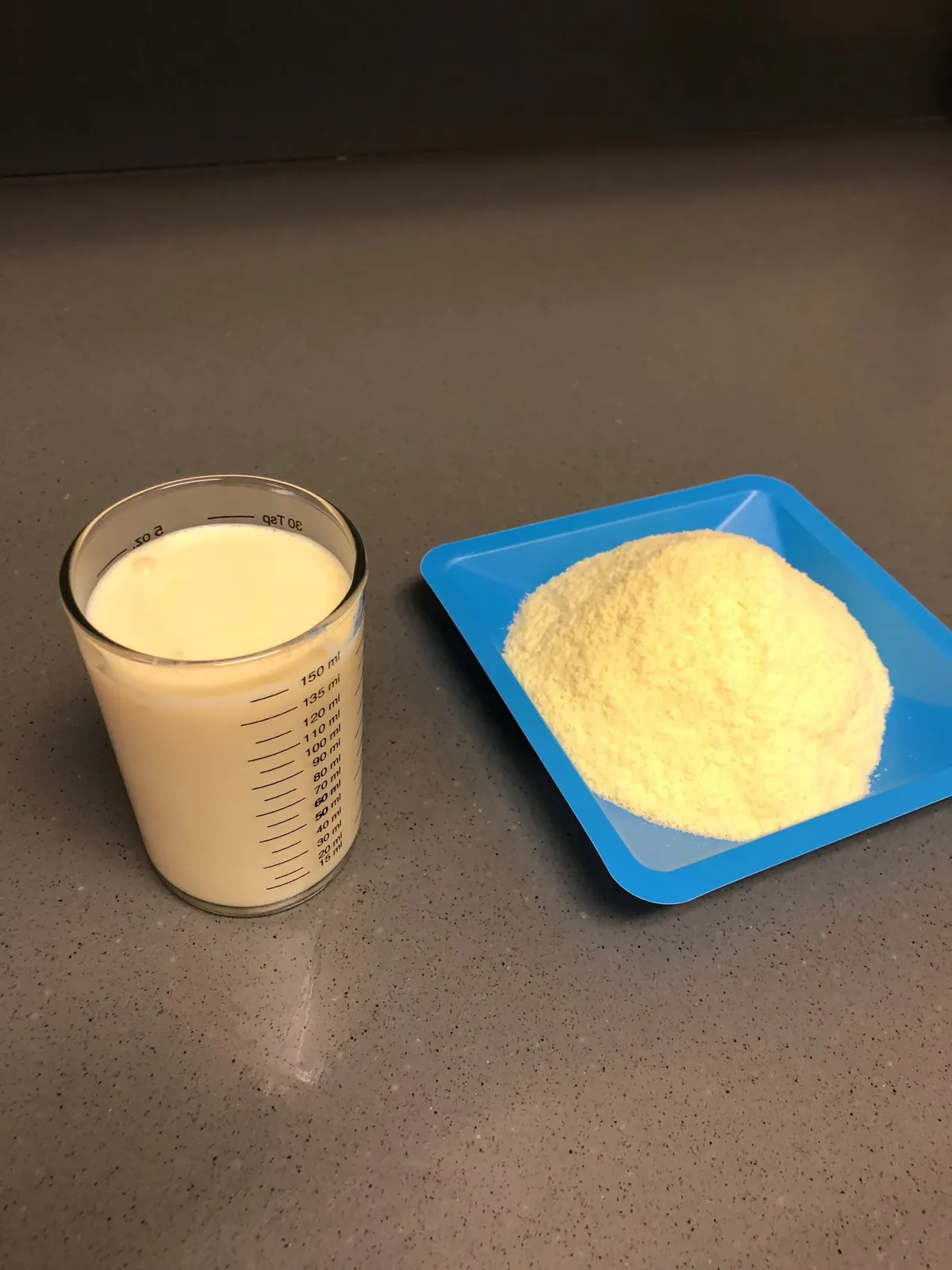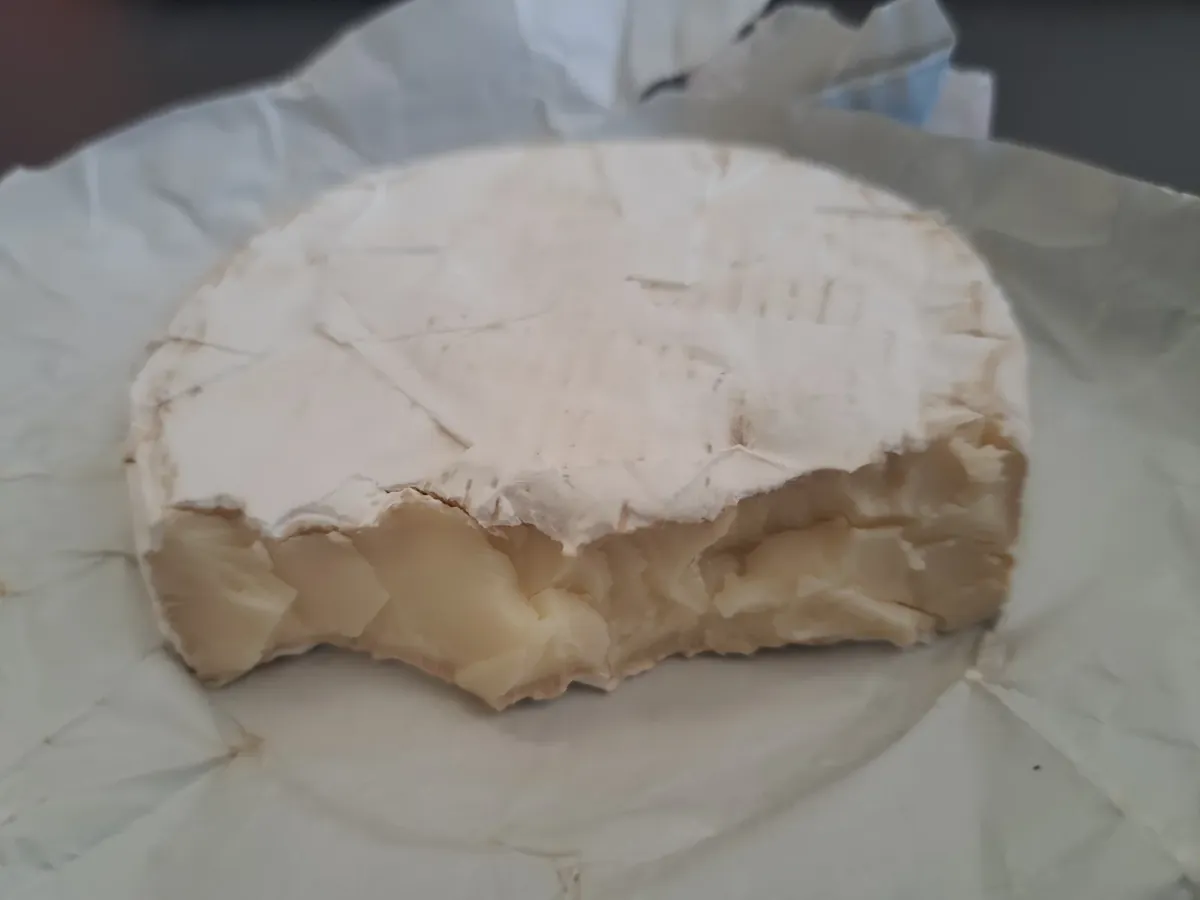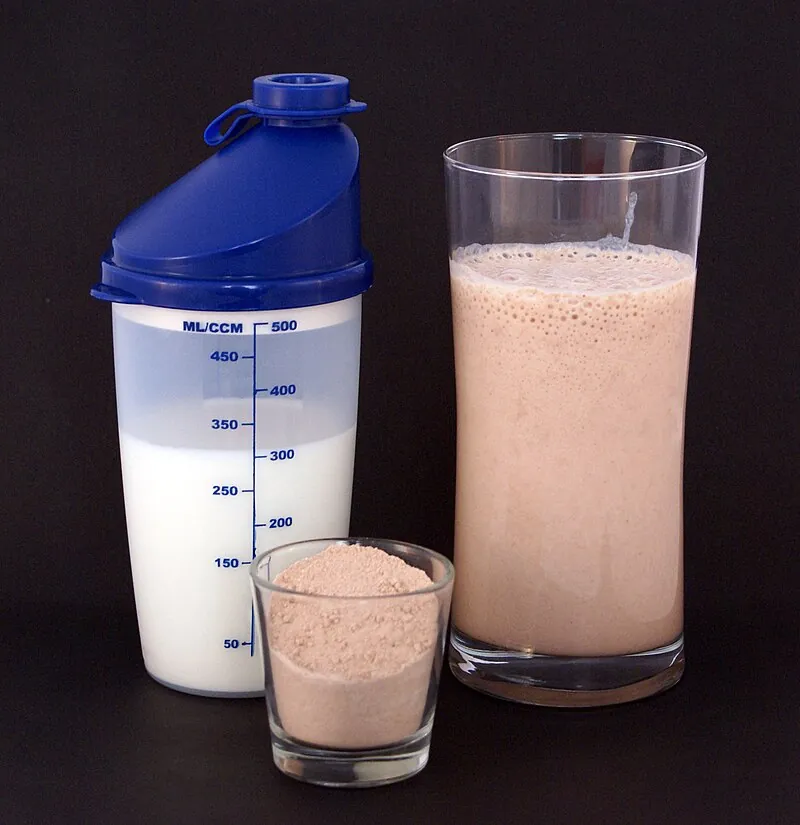
Casein is the dominant protein in cow's milk, comprising approximately 80% of total milk protein by mass. It is the protein that forms curds when milk is acidified or treated with rennet, which is why it is the basis of every hard and semi-hard cheese in the world. In supplement form, casein protein has become one of the most widely used sports nutrition products, prized for a property that distinguishes it fundamentally from whey protein: it digests slowly. While whey produces a rapid peak in circulating amino acids that subsides within 90 minutes, casein forms a gel in the stomach and releases amino acids over 5 to 7 hours, creating a sustained aminoacidaemia that makes it theoretically ideal for periods of extended fasting, including overnight sleep.
Casein vs Whey: The Core Difference
Both casein and whey are derived from milk. In standard dairy processing, milk is acidified or treated with rennet to separate into solid curds (the casein) and liquid whey. The two proteins have very different structures and therefore very different digestion kinetics.
Digestion Rate
Whey protein is a fast-digesting globular protein. Studies using stable isotope tracers (including the landmark 1997 paper by Boirie et al. in the Proceedings of the National Academy of Sciences) showed that whey protein produces a rapid, high peak in plasma leucine (the primary anabolic amino acid) within 60 to 90 minutes of ingestion, followed by a return to baseline levels by around 3 hours. Casein, by contrast, coagulates in the acidic environment of the stomach (pH ~2), forming a slowly digesting gel. The same Boirie et al. study showed that casein produced a lower but sustained elevation in plasma amino acids extending beyond 7 hours, with plasma leucine still elevated at 5 to 7 hours post-ingestion.
Leucine Content and Amino Acid Profile
Both casein and whey are complete proteins containing all nine essential amino acids. Whey protein contains slightly more leucine (approximately 10 to 11% of total amino acids vs 8 to 9% for casein), which is relevant because leucine is the primary trigger for the mTORC1 signalling pathway that initiates muscle protein synthesis. Whey's rapid delivery of leucine produces a more acute anabolic signal per gram. Casein's lower but sustained leucine delivery produces less of a peak signal but maintains the anabolic environment for longer, with particular benefits during overnight fasting.
The Evidence for Overnight Muscle Protein Synthesis
The most clinically significant evidence for casein's specific benefits comes from research on overnight protein feeding. The pivotal study was conducted by Res et al. (2012), published in Medicine and Science in Sports and Exercise (MSSE), the flagship journal of the American College of Sports Medicine. In this randomised, double-blind, placebo-controlled study, 16 recreationally active young men performed a bout of resistance exercise in the evening and then consumed either 40g of casein protein or a placebo immediately before sleep (approximately 30 minutes before bed). Using intrinsically labelled casein protein (containing deuterium-labelled amino acids trackable in the bloodstream), the researchers demonstrated that pre-sleep casein ingestion was fully digested and absorbed overnight, increased overnight muscle protein synthesis rates by approximately 22% compared to placebo, and improved whole-body protein balance during sleep.
This finding was extended by Snijders et al. (2015), published in the Journal of Nutrition, who showed in a 12-week RCT involving 44 young men that supplementation with 27.5g of casein protein before sleep (in addition to a regular exercise programme) produced significantly greater increases in muscle mass and strength compared to a placebo-supplemented group. The night-time supplementation group gained an additional 1.9kg of lean mass over 12 weeks, a clinically meaningful difference.
Subsequent meta-analyses, including one by Snijders et al. in 2019 in Frontiers in Nutrition, have broadly confirmed that pre-sleep protein supplementation (whether casein or other protein sources) is an effective strategy for augmenting overnight muscle protein synthesis, with the caveat that overall daily protein intake remains the primary driver of muscle mass accretion, and pre-sleep protein is most beneficial when daily protein targets are otherwise being met.
Types of Casein Protein Supplement
Micellar Casein
Micellar casein is produced by microfiltration of skim milk, preserving the native casein micelle structure intact. Because the micelle structure is maintained, micellar casein gels in the stomach as it would in milk processing and delivers the slow, sustained digestion that casein is known for. It is the most natural and least processed form of casein supplement, and the form used in most of the clinical research on overnight protein synthesis. Most premium casein products use micellar casein.
Calcium Caseinate
Calcium caseinate is produced by treating casein with calcium hydroxide, which disrupts the native micelle structure. The result mixes more easily in liquid (better solubility than micellar casein, which can be thick and slow to dissolve) and has a smoother texture in shakes, but it digests somewhat faster than micellar casein because the micelle structure has been disrupted. It is still significantly slower-digesting than whey but does not gel in the stomach as effectively as micellar casein. Calcium caseinate is often used in lower-cost casein products and as a food ingredient in processed foods.
Best Timing
The evidence most strongly supports casein supplementation immediately before sleep (30 to 60 minutes prior) for the overnight muscle protein synthesis benefit. A dose of 30 to 40g of protein is supported by the research; lower doses (under 20g) may not fully sustain overnight aminoacidaemia through the full 7-hour sleep period for a typical adult.
Casein is also used during the day by people who require sustained protein delivery: for example, before a long period without food access, between meals as a satiating snack, or on rest days when meal timing is less structured than on training days. Its slow digestion makes it highly satiating (more so than whey), and a 2015 study in the European Journal of Clinical Nutrition found that casein was significantly more satiating than whey per gram of protein, which has implications for use during calorie restriction.
Who Benefits Most from Casein Supplementation?
Strength Athletes and Bodybuilders
The primary evidence base is in resistance training populations. Strength athletes who train in the evening and go to sleep within 2 to 4 hours of training have the most to gain from pre-sleep casein: they can extend the muscle protein synthetic response from evening training through the overnight period. Those who train in the morning may still benefit from casein at night to maintain a positive overnight protein balance, particularly during periods of calorie restriction (such as contest preparation or fat loss phases).
People in Calorie Deficits
During calorie restriction, the body is at increased risk of muscle protein breakdown to supply amino acids for energy production and gluconeogenesis. The sustained amino acid delivery from casein during overnight fasting provides a substrate for muscle protein synthesis throughout the night, partially counteracting the muscle-sparing challenge of hypocaloric eating. A higher-protein intake overall (1.6 to 2.4g/kg body weight) is the primary strategy for muscle preservation during a calorie deficit; casein supplementation supports this by making overnight protein delivery more efficient.
Older Adults
Sarcopenia (age-related muscle loss) begins in the fourth decade and accelerates after 60. Older adults have blunted muscle protein synthetic responses to protein ingestion (a phenomenon called "anabolic resistance") and may benefit from larger single doses of protein (over 35 to 40g per meal) to maximise the anabolic signal, rather than the 20 to 25g that is optimal for younger adults. Pre-sleep casein at doses of 40g has been shown to be effective in older adults (Trommelen and van Loon, 2016, Nutrients), making it a potentially useful strategy for attenuating overnight muscle protein breakdown in this population.
Top Products and Cost per Serving
Optimum Nutrition Gold Standard 100% Casein
The market leader in casein supplements. Uses micellar casein as the primary protein source. Each serving (34g scoop) provides 24g of protein, 1g of fat, and 3g of carbohydrate at approximately 120 calories. Available in multiple flavours; the Chocolate Supreme and Creamy Vanilla flavours are consistently rated highly. In the UK, a 1.8kg tub (53 servings) retails for approximately £40 to £50, giving a cost per serving of approximately £0.75 to £0.95.
Dymatize Elite Casein
A well-regarded micellar casein product. Each 36g serving provides 25g of protein, 1g of fat, and 3g of carbohydrate. Smooth texture and good solubility relative to most micellar casein products. A 1.8kg tub retails for approximately £35 to £45 in the UK, similar cost per serving to ON Gold Standard.
MyProtein Slow-Release Casein
A competitively priced option, particularly with MyProtein's frequent discount promotions. Provides 25g of protein per serving. Quality is consistent and flavour range is broad. Often available at £25 to £35 per 1kg (25 servings) on promotion, making it among the lower cost-per-gram casein options in the UK market.
Safety and Considerations
Casein protein supplements are safe for healthy adults at typical dosing ranges. People with cow's milk protein allergy should avoid all dairy-derived casein products. Those with a history of kidney disease should consult a physician before adding any high-dose protein supplement, as high protein intake may increase the filtration burden on compromised kidneys. There is no credible evidence that high protein intakes damage healthy kidneys; the concern is specific to pre-existing renal disease. Casein is naturally lactose-free (lactose remains in the whey fraction after cheese-making); most casein supplements contain negligible lactose and are well tolerated by people with lactose intolerance.
Related: Whey Protein: Types, Benefits, and How to Choose | The Chemical Properties of Milk: Proteins and Fats Explained