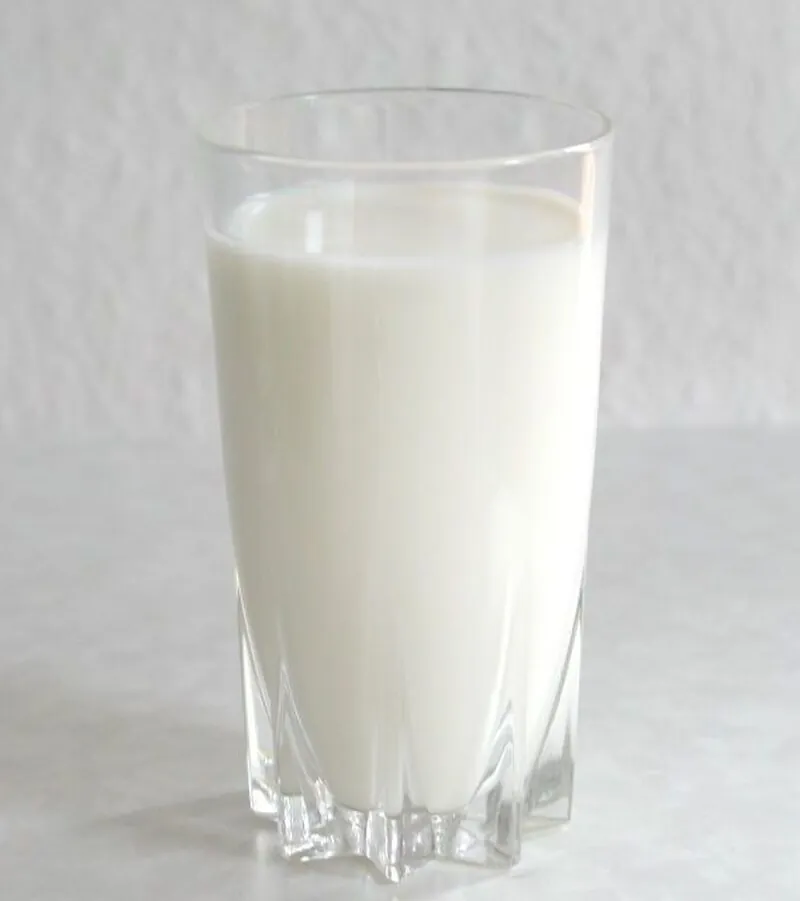
Milk is one of the most chemically complex foods humans consume. What looks like a simple white liquid is actually a colloidal suspension of fat globules and protein micelles in an aqueous solution of sugars, minerals, and vitamins, all held in a precise physicochemical balance. That balance, maintained at a pH of approximately 6.7 in fresh cow's milk, is responsible for everything from milk's white colour and creamy texture to its tendency to curdle when acidified, froth when agitated, and brown when heated. Understanding these properties is not purely academic: they directly explain what happens when you steam milk for coffee, make cheese, produce yogurt, or pasteurise milk for safety.
The Composition of Cow's Milk
Fresh whole cow's milk has the following approximate composition by weight:
- Water: 87.3%
- Lactose: 4.8%
- Fat: 3.7% (range: 3.2 to 5.0% depending on breed and season)
- Protein: 3.2% (casein: ~2.6%, whey proteins: ~0.6%)
- Minerals (ash): 0.7%
- Vitamins and other minor components: trace
These figures vary significantly by breed: Holstein-Friesian cows (the dominant dairy breed) produce milk at the lower end of fat and protein ranges, while Jersey and Guernsey cows produce milk with 5 to 6% fat and higher protein, which is why their milk is prized for butter and cheese production.
Casein Micelles: The Dominant Protein Structure
Approximately 80% of milk's protein is casein, which exists not as free-floating individual molecules but as casein micelles: large, roughly spherical aggregates of casein protein molecules held together by calcium phosphate clusters and hydrophobic (water-repelling) interactions. These micelles range from 20 to 300 nanometres in diameter, large enough to scatter visible light (which is why milk is white and opaque rather than clear) and small enough to remain stably suspended in the aqueous phase indefinitely under normal conditions.
The four main types of casein (alpha-s1, alpha-s2, beta, and kappa-casein) each play specific structural roles within the micelle. Kappa-casein is particularly important: it forms the outer shell of the micelle and carries a negative charge that causes micelles to repel each other, preventing aggregation and keeping the milk stable. This negative charge is maintained at the natural pH of milk (around 6.7). When pH drops below approximately 4.6 (milk's isoelectric point for casein), the negative charge is neutralised, the micelles lose their mutual repulsion, and they aggregate into the curds visible in curdled milk or fresh cheese.
Whey Proteins: Heat-Sensitive Globulins
The remaining 20% of milk protein consists of whey proteins (the liquid remaining after casein has been precipitated is called whey). The primary whey proteins are beta-lactoglobulin (which does not occur in human breast milk, making it a common trigger in cow's milk protein allergy), alpha-lactalbumin, serum albumin, and immunoglobulins.
Unlike casein, whey proteins are globular proteins with a tightly folded three-dimensional structure maintained by disulfide bonds. They are heat-sensitive (heat-labile): above approximately 70°C, they begin to unfold (denature), exposing reactive groups. Beta-lactoglobulin in particular denatures at pasteurisation temperatures and, once unfolded, can react with kappa-casein on the surface of casein micelles, altering the behaviour of the milk significantly. This is one reason pasteurised milk behaves differently from raw milk in yogurt-making and cheese-making: the heat-denatured whey proteins interact with casein micelles in ways that affect curd structure and gel formation.
Lactose: Milk's Primary Sugar
Lactose is a disaccharide (a sugar made of two monosaccharides linked together): one molecule of glucose linked to one molecule of galactose. It is synthesised in the mammary gland and is unique to mammalian milk. Fresh cow's milk contains approximately 4.8% lactose by weight. Lactose is less sweet than sucrose (table sugar) by roughly 70%, which contributes to milk's mild, slightly sweet flavour rather than an overtly sugary taste.
Lactose has two important chemical behaviours relevant to dairy processing. First, it is a reducing sugar and participates in the Maillard reaction when heated above approximately 140°C with amino acids, producing the brown colour and complex flavour of heated milk products (dulce de leche, caramelised milk skins, browned butter). Second, lactose is fermented by lactic acid bacteria (Lactobacillus delbrueckii subsp. bulgaricus and Streptococcus thermophilus in yogurt production) to lactic acid, which lowers pH, curdles the casein, and creates the characteristic tang of fermented dairy products.
Milk Fat and Fat Globules
Milk fat exists as an emulsion: small globules of fat (1 to 10 micrometres in diameter) dispersed throughout the aqueous phase. Each globule is surrounded by a milk fat globule membrane (MFGM), a complex structure of phospholipids, proteins, and glycoproteins that acts as a natural emulsifier, keeping the fat dispersed rather than coalescing. Without this membrane, the fat would separate rapidly to form a cream layer, which is exactly what happens in unhomogenised milk left to stand.
Homogenisation, applied to nearly all commercially sold milk, forces the milk through a narrow aperture under high pressure (typically 10 to 20 MPa), breaking the fat globules into much smaller particles (0.1 to 1 micrometre). The larger surface area means the existing MFGM cannot fully coat all the new smaller globules, so casein and whey proteins adsorb onto the fat globule surface and stabilise them. Homogenised milk does not separate and has a more uniform, creamier texture throughout.
pH and Why Milk Curdles
Fresh cow's milk has a pH of approximately 6.6 to 6.8, making it mildly acidic (pure water is pH 7.0, the neutral point). This pH is maintained by a buffering system involving calcium phosphate, citrate, and milk proteins. As milk ages, bacterial activity (even under refrigeration) produces lactic acid, which gradually lowers the pH. When the pH drops below approximately 5.0 to 5.5, the casein micelles begin to destabilise. At pH 4.6 (the isoelectric point of casein), the proteins aggregate completely and visible curdling occurs.
The same curdling occurs in cooking when acidic ingredients (lemon juice, vinegar, wine, tomatoes) are added directly to hot milk. Hot temperatures reduce the repulsion between casein micelles further, so even mild acidity at high temperatures can cause rapid curdling. This is why cream-based soups with wine or tomato must be handled carefully: adding the acid before the dairy, or keeping temperatures low, reduces the risk of curdling.
Why Milk Froths
Milk froths because of its proteins, particularly whey proteins. When milk is agitated with air (by a steam wand, an electric frother, or vigorous shaking), air bubbles are incorporated. The whey proteins migrate to the air-water interface at the bubble surface, partially unfold, and form a protein film that stabilises the bubble and prevents it from collapsing immediately. This protein-stabilised foam is what gives steamed coffee milk its characteristic velvety microfoam.
Fat content affects foam texture significantly. Whole milk froths to a denser, creamier foam because fat globules interact with the protein film at the bubble surface, increasing foam stability and producing smaller bubbles. Skimmed milk produces more voluminous foam (because no fat competes with protein at bubble surfaces) but the foam is drier and collapses more quickly. Temperature also matters: milk should be cold when frothing begins (below 10°C) because whey proteins have more time to adsorb to bubble surfaces before heat causes them to denature and aggregate unevenly. Stop steaming at around 65°C; above this temperature, protein denaturation progresses rapidly and foam quality deteriorates.
Pasteurisation and Its Chemical Effects
Pasteurisation does not sterilise milk; it reduces the microbial load to safe levels by killing pathogenic bacteria. Standard HTST (High Temperature Short Time) pasteurisation heats milk to 72°C for 15 seconds. UHT (Ultra High Temperature) treatment heats milk to 135 to 140°C for 2 to 4 seconds, producing shelf-stable milk that requires no refrigeration until opened.
At the chemical level, HTST pasteurisation denatures approximately 10% of whey proteins (primarily beta-lactoglobulin) and causes some whey proteins to bind to casein micelles. Vitamin C (present in small amounts in raw milk) is partially destroyed. The Maillard reaction begins but is minimal at 72°C. The result is a subtle "cooked" flavour detectable by experienced tasters. UHT treatment has more pronounced chemical effects: up to 70% of whey proteins denature, more extensive Maillard browning occurs (detectable as a slight caramel or "cooked" flavour), and some B vitamins are reduced. Raw milk enthusiasts cite these chemical differences as their reason for preferring unpasteurised milk, though the public health consensus strongly supports pasteurisation as a justified trade-off for the elimination of pathogens including Salmonella, E. coli O157:H7, Listeria monocytogenes, and Campylobacter.
The Maillard Reaction in Milk
The Maillard reaction is a chemical reaction between reducing sugars (including lactose) and amino acids (from milk proteins) that begins above approximately 140°C. In milk, this produces the browning and complex flavour of dulce de leche, condensed milk, and the skin that forms on heated milk. At UHT processing temperatures (135 to 140°C), early-stage Maillard products begin to form, contributing to UHT milk's characteristic flavour. In baking, the Maillard reaction between milk's lactose and its amino acids contributes to the golden-brown crust of milk-enriched breads, operating at the surface temperatures typical of an oven (around 140 to 165°C at the crust).
Related: Lactose Intolerance: Myth vs Reality | Casein Protein: Benefits and How to Use It