Dairy consumption and bone health have been linked in public health messaging for decades, but the relationship is more complex than the simple "milk builds strong bones" narrative. The research supports a genuine role for dairy in calcium provision and bone mineral density maintenance, particularly during childhood, adolescence, and the post-menopausal period; the evidence for fracture prevention from dairy consumption in adults is more mixed. The case for dairy in bone health is strongest during the two critical bone-building periods (childhood and adolescence, when 90% of peak bone mass is achieved) and for post-menopausal women, in whom calcium and vitamin D supplementation from dietary sources slows bone loss.
Calcium Requirements and Dairy's Contribution
UK Reference Nutrient Intakes (RNIs) for calcium, by life stage:
- Adults 19 to 64: 700mg per day (UK RNI); 1,000mg (European EFSA recommendation)
- Adolescents 11 to 18: 800 to 1,000mg per day (peak bone mineralisation period)
- Post-menopausal women and men over 65: 1,200mg per day (EFSA recommendation for bone loss prevention)
- Pregnant and breastfeeding women: 700 to 1,250mg per day depending on stage
Calcium from dairy sources by common serving:
- 240ml whole milk: approximately 290mg calcium
- 125g full-fat yogurt: approximately 170mg
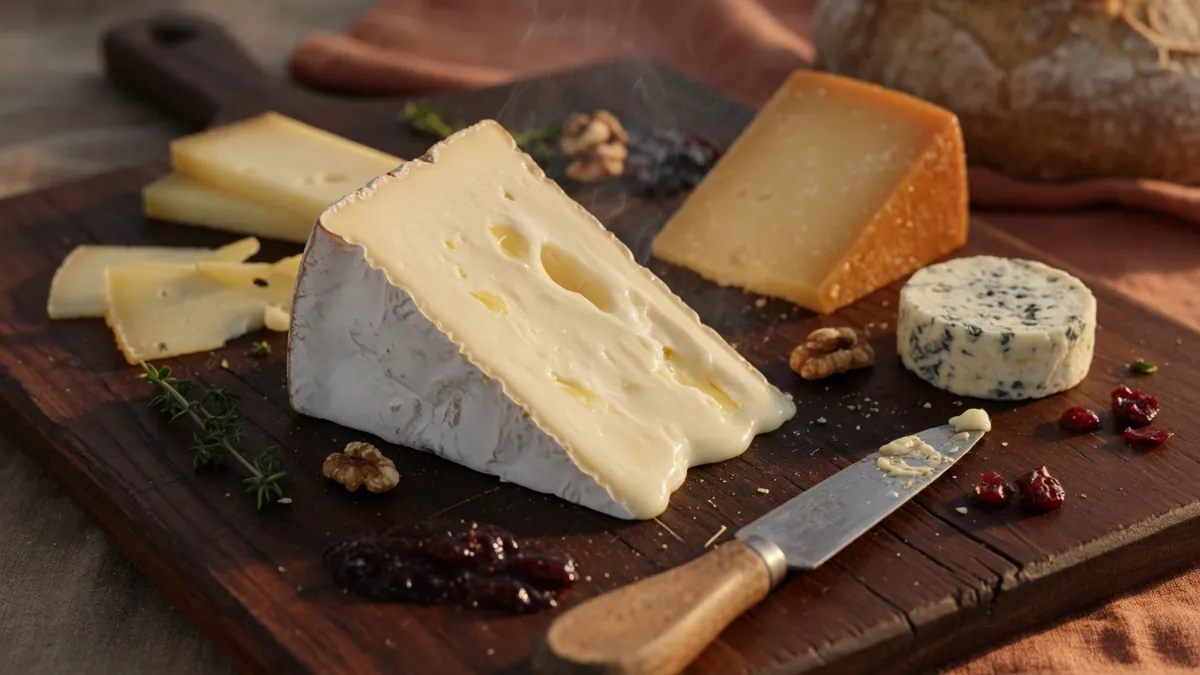
- 30g Cheddar: approximately 220mg
- 30g Parmesan: approximately 330mg
- Two portions of dairy (e.g., a glass of milk and a portion of cheese) provide approximately 500 to 620mg, meeting the majority of the adult RNI from dairy alone
Calcium Absorption: Why Dairy Has an Advantage
Calcium bioavailability (the fraction absorbed by the body) varies significantly between foods:
- Dairy products: approximately 30 to 35% absorption
- Calcium-fortified plant milks: 17 to 22% (lower than dairy even when the total calcium is similar, because plant-based fortification uses less bioavailable calcium carbonate and the absence of dairy's lactose and casein phosphopeptides reduces uptake)
- Calcium-set tofu: approximately 31% (competitive with dairy)
- Kale, bok choy, and Chinese cabbage: approximately 40 to 60% (low-oxalate vegetables have surprisingly high bioavailability despite lower calcium content per 100g)
- Spinach and Swiss chard: approximately 5 to 10% (high oxalic acid content binds calcium into insoluble calcium oxalate)
- White bread: approximately 20%; brown and wholemeal bread: 5 to 15% (phytate in whole grains binds calcium)
Vitamin D is a co-factor for calcium absorption: without adequate vitamin D (which most UK adults are deficient in, particularly in winter months), calcium absorption is reduced by approximately 30 to 50% regardless of dietary calcium intake. UK NICE guidance recommends vitamin D supplementation (10 micrograms/day) for all UK adults from October to March.
Dairy and Bone Density: What Studies Show
Longitudinal studies and meta-analyses generally support an association between dairy consumption and higher bone mineral density (BMD), particularly in populations that consume less than the RNI for calcium:
- A 2019 meta-analysis in Nutrition Reviews (Liu et al., 12 RCTs and 16 observational studies) found that dairy food intake was significantly positively associated with BMD in the lumbar spine and total hip. The association was strongest in children, adolescents, and pre-menopausal women.
- A 2022 analysis from the UK Biobank (approximately 395,000 participants) found that milk consumption was not associated with fracture risk in those already meeting calcium RNIs from other sources, but was inversely associated with fracture risk in those with low dietary calcium intake overall.
The Calcium Paradox
The "calcium paradox" or "milk paradox" refers to the observation that countries with the highest dairy consumption (Northern Europe, North America) have the highest rates of osteoporotic hip fracture, while countries with low dairy consumption (Japan, traditional sub-Saharan Africa) have lower hip fracture rates. This ecological correlation has been used to question the dairy-bone health relationship, but has important confounding factors:
- Higher hip fracture rates in Northern Europe partially reflect greater longevity (people living to an age where hip fractures occur) and a higher prevalence of fall risk factors in older populations
- Different levels of physical activity (particularly weight-bearing exercise, the most important mechanical stimulus for bone density), vitamin D exposure (sun exposure versus supplementation), and BMI across populations
- The paradox is an ecological association across populations with many confounding variables and does not establish a causal relationship between dairy consumption and fracture risk
The individual-level evidence from RCTs and prospective cohort studies does not support the interpretation that dairy consumption increases fracture risk; the weight of the evidence is neutral to positive for dairy's role in maintaining bone density.
Non-Dairy Calcium Sources for Reference
For people who cannot or choose not to consume dairy, adequate calcium intake requires careful planning:
- Calcium-fortified plant milk (250ml, fortified): 240 to 300mg (if shaken before use; calcium settles)
- Calcium-set tofu (100g): 200 to 350mg
- Kale (100g cooked): 150mg (high bioavailability)
- Almonds (30g): 75mg
- White bread (2 slices, made with fortified flour): approximately 130mg
- Canned sardines with bones (100g): 380mg
- Tahini (30g): 130mg
Related: Vitamin D and Bone Health: Supplements, Sun, and Food Sources | Calcium Supplements: Do You Need Them and Which Are Best?