High-protein dairy sits in a valuable nutrition category because it connects fitness, weight management, meal prep, sports recovery, aging, and grocery shopping. Whey protein powders, casein, Greek yogurt, skyr, cottage cheese, and quark all deliver protein in different formats. The best choice depends on convenience, digestion, taste, budget, and whether you want a whole food or a supplement.
Dairy protein is mainly made of casein and whey. Whey digests relatively quickly and is popular after training. Casein digests more slowly and creates the firm curd structure in many dairy foods. Whole foods like Greek yogurt and cottage cheese include protein plus water, minerals, and texture, which can make them more satisfying than a shake. Powders are convenient when appetite, time, or portability is the problem.
Whole Foods vs Protein Powders
Whole-food dairy is usually better for meals. Greek yogurt with berries, skyr with oats, cottage cheese with tomatoes, or quark with herbs can be breakfast, lunch, or a snack. Protein powders are better when you need speed or precision. A shake is not automatically healthier, but it can help people reach protein targets without cooking.
| Option | Strength | Best Use |
|---|---|---|
| Whey protein | Convenient and fast | Post-workout shakes and smoothies |
| Casein protein | Thick and slow-digesting | Evening snacks and puddings |
| Greek yogurt or skyr | High protein with spoonable texture | Breakfast bowls and sauces |
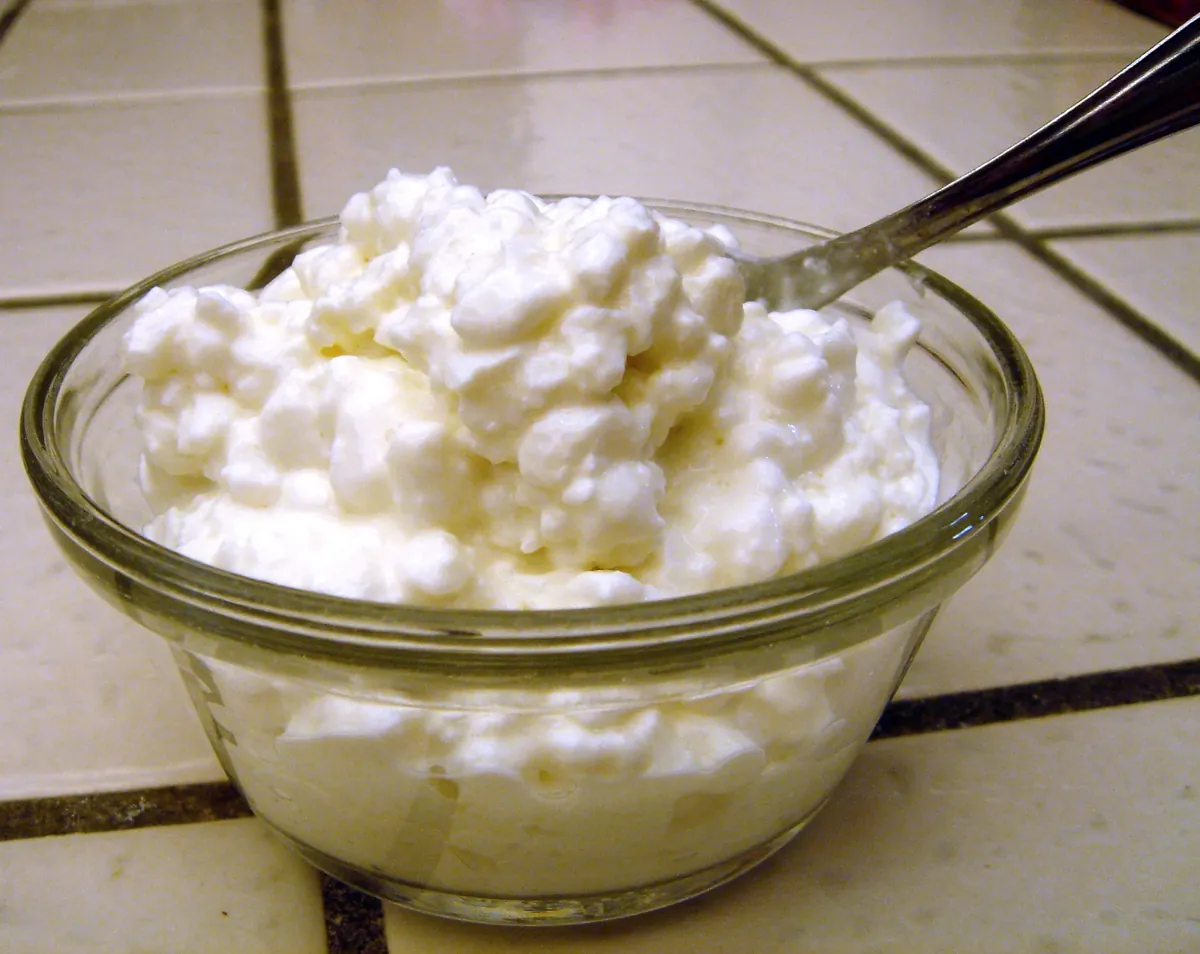
| Cottage cheese | Filling and savory-friendly | Toast, salads, dips, and snacks |
Satiety and Weight Management
Protein can support satiety, especially when paired with fiber-rich foods such as fruit, vegetables, beans, or whole grains. High-protein dairy works well because it can be prepared sweet or savory. Plain Greek yogurt can become a breakfast bowl, a ranch-style dip, or a substitute for sour cream. Cottage cheese can sit on toast, blend into pancake batter, or become a high-protein sauce base.
Watch flavored products. Some high-protein yogurts are excellent, while others contain enough sweeteners or dessert flavors to feel less like a staple. Plain versions give more control and often better value per gram of protein.
Digestion and Tolerance
Lactose tolerance varies. Whey isolate is often lower in lactose than whey concentrate, but labels differ. Greek yogurt and skyr may be easier for some people because fermentation reduces lactose and straining changes composition. Lactose-free dairy products can be useful for people who want dairy protein with fewer digestive surprises. Milk allergy is different from lactose intolerance and requires stricter avoidance.
Simple Meal Ideas
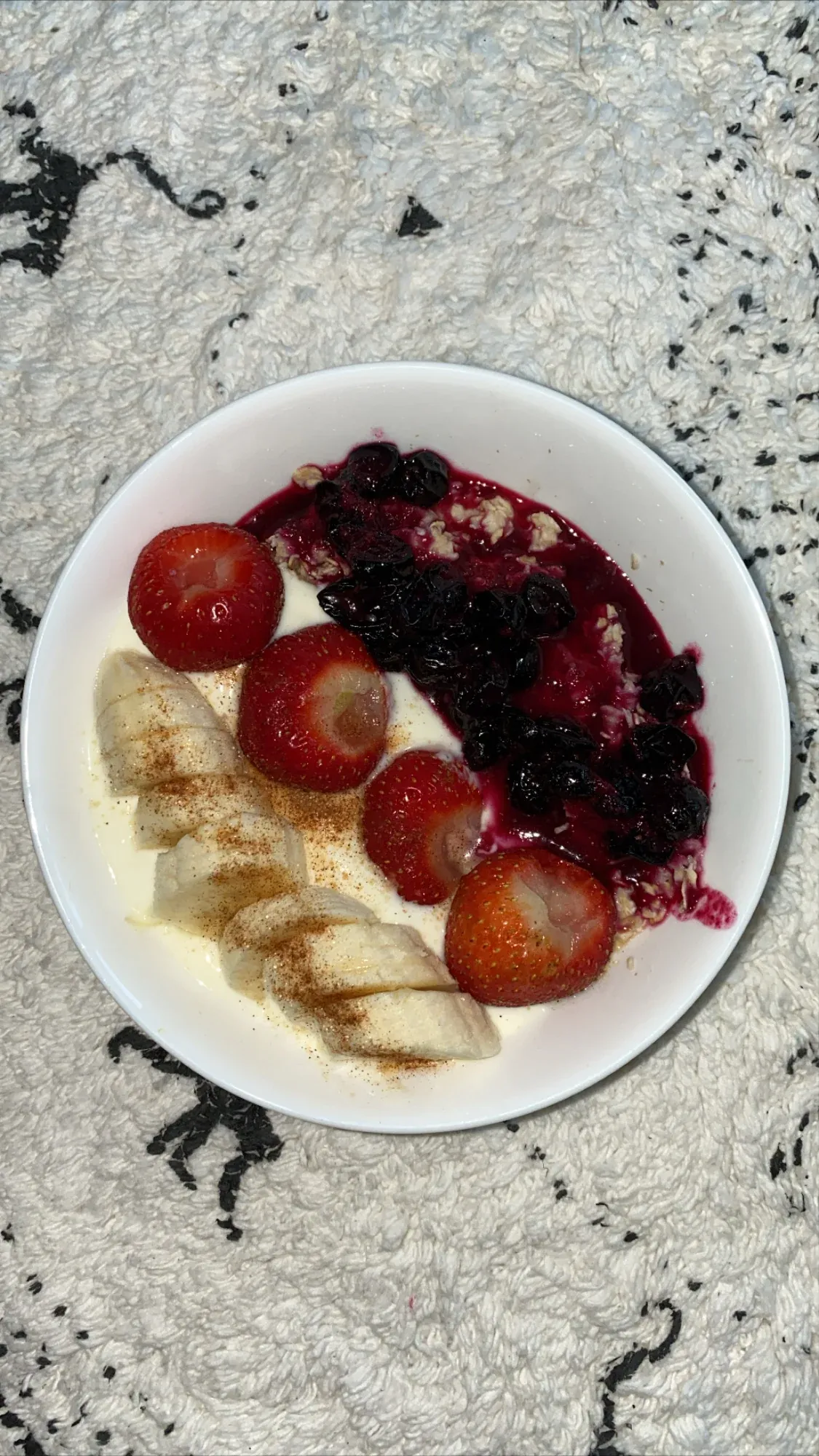
- Breakfast: skyr with oats, berries, nuts, and cinnamon.
- Lunch: cottage cheese toast with tomato, black pepper, and olive oil.
- Snack: Greek yogurt with cocoa powder and sliced banana.
- Post-workout: whey smoothie with milk, fruit, and peanut butter.
The best high-protein dairy choice is the one that fits your appetite and schedule. Use powders for convenience, use whole foods for meals, and keep labels simple. When protein, taste, and routine align, high-protein dairy becomes easy to sustain.