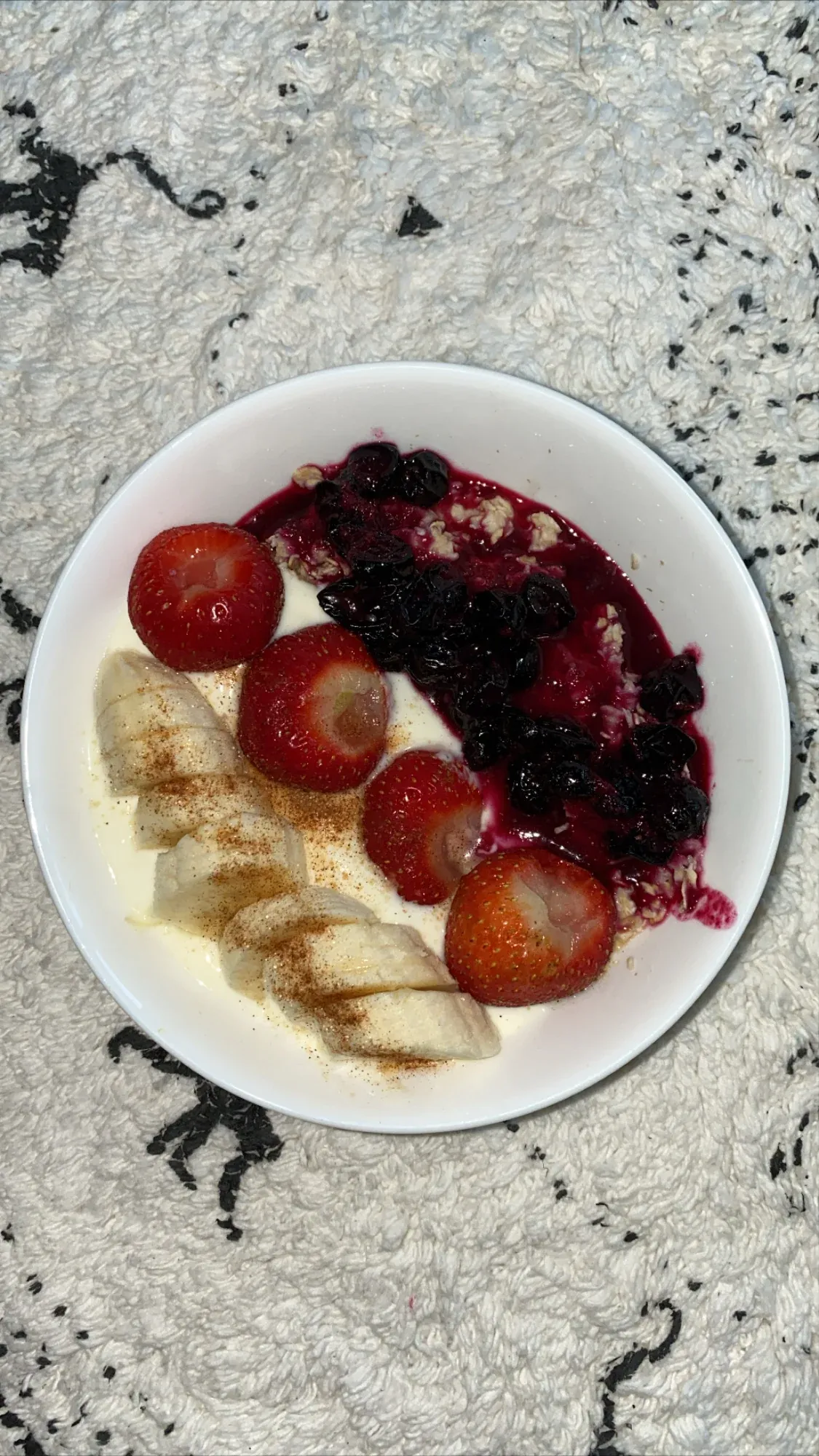
Probiotic dairy is a valuable search topic because it connects food, wellness, gut health, protein, weight management, and grocery decisions. Yogurt, kefir, skyr, cultured buttermilk, and drinkable fermented milks all live in this category, but they are not identical. Some are high in protein. Some are more drinkable. Some contain many live cultures at purchase. Some are heat-treated after fermentation and may not provide living microbes by the time they reach your fridge.
The phrase "live and active cultures" means the product contains living microorganisms at some point defined by the producer or labeling standard. It does not automatically mean the food will fix digestion, treat disease, or outperform a balanced diet. The smarter way to shop is to compare culture status, sugar, protein, ingredients, and how the food fits your routine.
Kefir vs Yogurt vs Skyr
Kefir is usually drinkable, tangy, and made with a mixed community of bacteria and yeasts. Yogurt is typically cultured with selected bacteria and has a spoonable texture. Greek yogurt is strained for thickness and protein concentration. Skyr is an Icelandic-style cultured dairy product that is also thick and protein-rich, though many modern versions are closer to strained yogurt in everyday use.
| Food | Texture | Best Use |
|---|---|---|
| Kefir | Drinkable, tart, sometimes lightly fizzy | Smoothies and fermented-food routines |
| Greek yogurt | Thick and creamy | Protein breakfasts, sauces, snacks |
| Skyr | Very thick, often lean | High-protein bowls and desserts |
Read the Label Like a Buyer
Plain fermented dairy often gives the best nutritional return because flavored products can contain significant added sugar. If you want sweetness, adding fruit, honey, or jam at home gives more control. Protein also varies widely. Greek yogurt and skyr usually provide more protein per serving than regular yogurt or kefir, while kefir may offer broader culture diversity depending on how it is made.
- Look for live cultures: avoid products that are heat-treated after culturing if live microbes are your goal.
- Check added sugar: dessert-style yogurts can behave more like sweets than daily staples.
- Compare protein: thicker strained products usually provide more protein per spoonful.
- Start slowly: fermented foods can cause temporary bloating for some people.
Lactose and Digestibility
Fermentation reduces some lactose because cultures consume milk sugar. This can make yogurt and kefir easier for some lactose-sensitive people to tolerate, but fermented dairy is not automatically lactose-free. Lactose-free yogurts and kefirs are better options for people who need clearer control. Anyone with a true milk allergy should avoid dairy-based fermented foods unless advised otherwise by a qualified clinician.
Practical Expectations
Probiotic dairy is best treated as a useful food category, not a magic treatment. It can add protein, calcium, fermentation flavors, and culinary flexibility. It can also replace lower-quality snacks when chosen plain and paired with fruit, nuts, oats, or seeds. The best product is the one you will eat consistently without turning breakfast into dessert.
For most shoppers, the winning formula is simple: plain fermented dairy, live cultures, enough protein, modest sugar, and a serving size that fits your day. That turns probiotic dairy from a vague wellness phrase into a practical grocery habit.