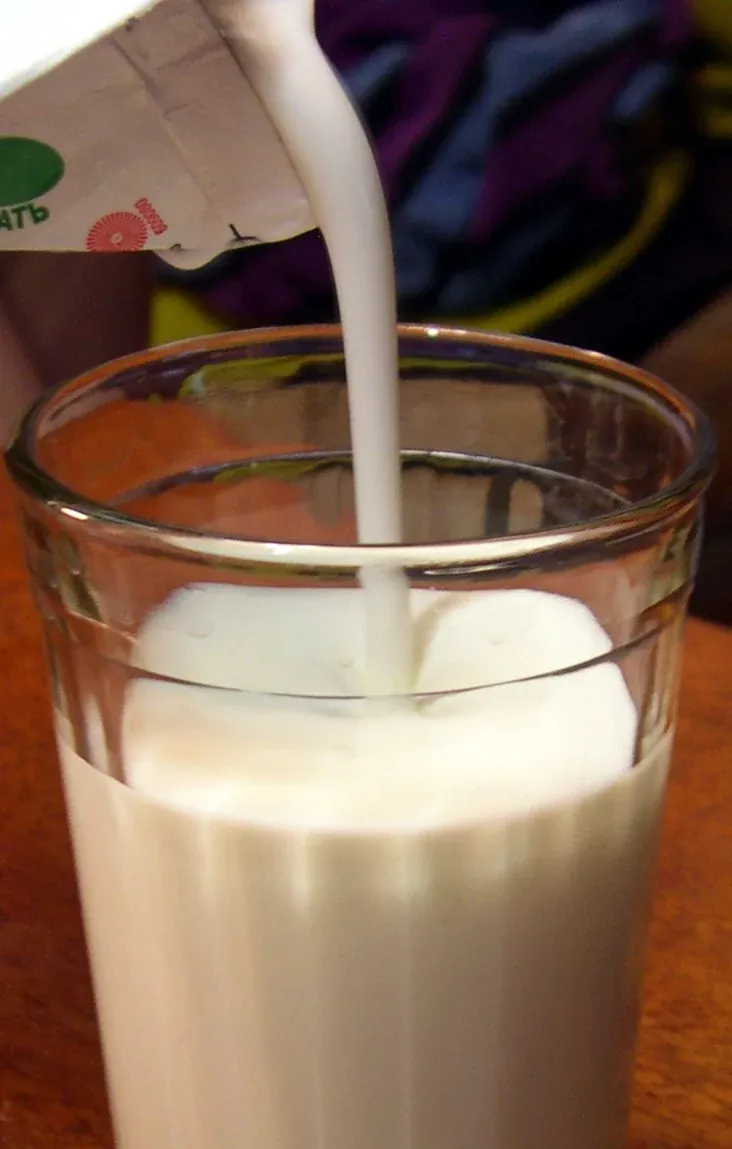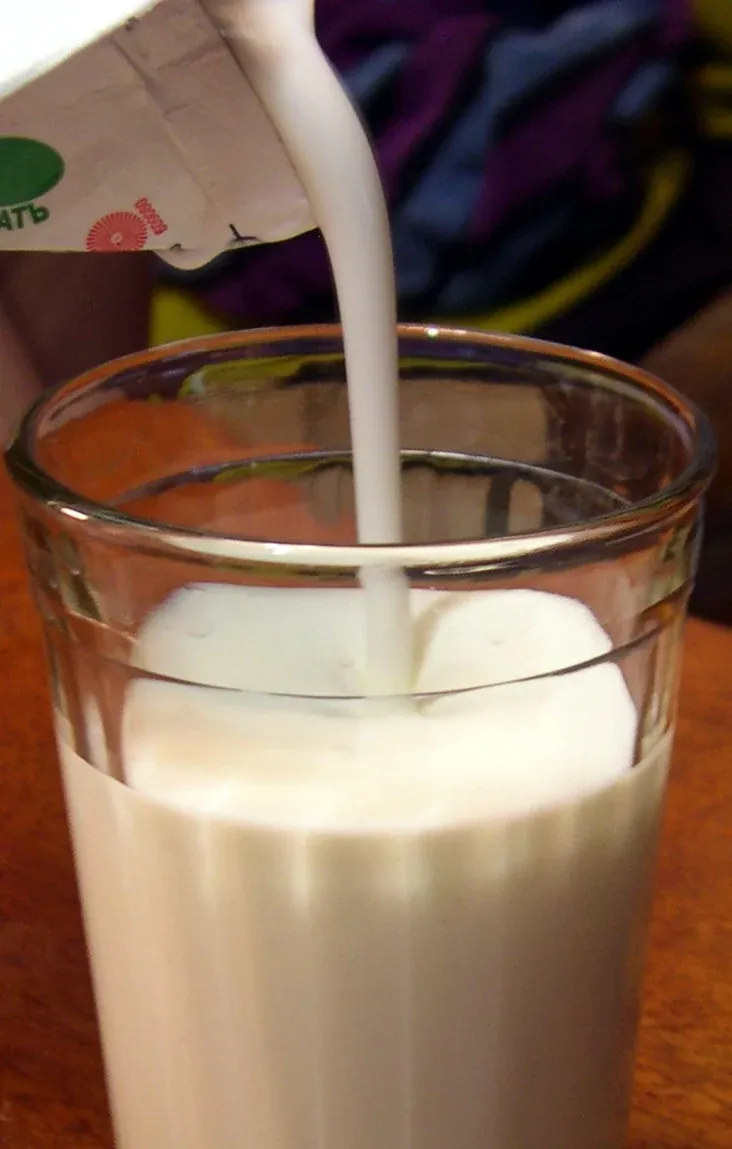
Yogurt is one of humanity's oldest preserved foods and one of the simplest things to make at home — the process requires milk, a small amount of existing yogurt (as a starter culture), heat, and time. Yet most people have never made it, on the assumption that it is either complicated or requires specialist equipment. Neither is true. The basic technique involves heating milk to kill unwanted bacteria, cooling it to the temperature where the desired bacteria are active, adding the starter, and keeping it warm for 8–12 hours while the fermentation occurs. The result — thicker, tangier, and more nutritionally complete than most commercial yogurt — costs less than half the supermarket price, contains no stabilisers or added sugars, and can be strained to produce authentic Greek-style yogurt that costs a fraction of the commercial version. Understanding the microbiology makes the process clearer and the results more consistent.
The Science: What Happens During Fermentation
Commercial yogurt is produced by the action of two specific bacterial species working in partnership:
- Streptococcus thermophilus: Works first, at the beginning of fermentation, consuming lactose (milk sugar) and producing lactic acid. It also produces CO₂, formate, and acetaldehyde — compounds that stimulate the growth of the second bacterium.
- Lactobacillus delbrueckii subsp. bulgaricus: Works primarily in the second phase, producing more lactic acid and contributing to the characteristic tangy flavour of set yogurt. It also produces proteases that break down milk proteins into free amino acids, partially accounting for yogurt's greater digestibility compared to fresh milk.
The lactic acid produced by both bacteria drops the pH of the milk from approximately 6.7 to approximately 4.6 — the isoelectric point of casein (the main milk protein). At this pH, casein proteins unfold, denature, and form a gel network — the structure that turns liquid milk into the semi-solid, set texture of yogurt. This is fermentation visible in real time: the milk thickens as the pH drops.
The key implications for home yogurt making:
- Temperature is critical: S. thermophilus and L. bulgaricus are thermophilic bacteria — they are most active at 40–46°C. Below 38°C, fermentation slows dramatically. Above 48°C, the bacteria are killed. The target is 42–44°C throughout the incubation period.
- Time is variable: At 42°C, fermentation typically takes 6–10 hours depending on the starter's bacterial population, the milk's lactose content, and the desired tartness level. Longer fermentation = more lactic acid = more sour yogurt.
The Basic Homemade Yogurt Recipe
Makes approximately 1 litre of yogurt.
Ingredients
- 1 litre whole milk (full-fat produces the richest, creamiest yogurt; semi-skimmed works but produces thinner results; skimmed produces thin, watery yogurt)
- 2–3 tablespoons plain yogurt as starter — must contain live cultures (check the label; it should say "live and active cultures" or list Lactobacillus bulgaricus and Streptococcus thermophilus)
Equipment
- Heavy-bottomed saucepan
- Thermometer (kitchen or instant-read — essential; guessing temperature is the most common reason for failure)
- Glass jars or a ceramic bowl for incubation
- A method of maintaining 42–44°C for 8 hours (see options below)
Method
- Heat the milk: Pour the milk into the saucepan and heat over medium heat, stirring occasionally to prevent scorching on the bottom, until it reaches 82–88°C (180–190°F). This step pasteurises the milk (killing any competing bacteria), denatures the whey proteins (which improves yogurt texture and prevents too much whey separating), and reduces the milk slightly by evaporation (concentrating the solids for a thicker result). Do not skip or rush this step.
- Cool the milk: Remove from heat and cool to 42–44°C. You can speed this by placing the saucepan in a cold water bath and stirring. Monitor the temperature carefully — do not add starter above 48°C (kills the bacteria) or below 38°C (fermentation too slow to set correctly).
- Add the starter: In a small bowl, mix the 2–3 tablespoons of yogurt starter with a small amount of the cooled milk (about 60ml) to create a thin, smooth slurry. This prevents the starter from clumping when added to the larger volume. Stir the starter slurry into the cooled milk gently but thoroughly.
- Incubate: Pour the inoculated milk into clean glass jars or a bowl. Cover. Incubate at 42–44°C for 6–10 hours (see methods below). Do not disturb during incubation — movement disrupts the protein gel structure as it forms, producing grainy or syrupy yogurt.
- Refrigerate: When the yogurt has set (tilting the jar gently shows it has thickened to a soft-gel consistency), refrigerate for at least 4 hours before eating. The cold stops active fermentation and the texture firms further during chilling.
Incubation Methods: Maintaining 42–44°C
This is the most common practical challenge. Options that work well:
- Yogurt maker: A dedicated appliance ($20–$50) that maintains a precise temperature — the most foolproof method and eliminates all guesswork. Basic models are entirely adequate.
- Oven: Preheat the oven to the lowest setting (typically 50°C/120°F on many modern ovens), then turn it off. Place the covered jars inside with an oven thermometer to verify temperature. The residual heat in the oven walls maintains the temperature for several hours. Check and re-warm if needed after 4 hours.
- Instant Pot (pressure cooker with yogurt setting): The "Yogurt" function on most Instant Pot models maintains exactly 42°C — the most convenient method for those who own one.
- Thermos flask: Preheat the thermos with boiling water, pour it out, add the inoculated milk, seal. A good thermos maintains above 40°C for 8+ hours.
- Warm water bath: Place the yogurt jar inside a larger container of water heated to 44°C, then wrap the whole assembly in towels for insulation. Effective but requires monitoring.
Greek Yogurt: Straining for Thickness
Greek yogurt is simply yogurt with the whey strained out — producing a thicker, creamier, higher-protein product. Make yogurt using the recipe above, then:
- Line a colander with cheesecloth or a clean kitchen cloth (or use a yogurt strainer)
- Pour the set yogurt into the lined colander
- Refrigerate and allow to drain for 2–4 hours for "Greek-style" thickness; 6–8 hours for "labneh" (Lebanese strained yogurt, the consistency of cream cheese)
- The liquid that drains off is whey — mildly tart, protein-rich, and useful in baking (replaces buttermilk in recipes) or smoothies
Starting with 1 litre of yogurt typically produces 500–600ml of Greek yogurt after 4 hours of straining — which explains the commercial premium. Homemade strained yogurt is 50–60% of the price of commercial Greek yogurt at equivalent quality.
Troubleshooting
- Didn't set: Temperature too high (killed the bacteria), temperature too low (fermentation never activated), or the starter had dead cultures (use fresh yogurt within its use-by date, from a freshly-opened container).
- Grainy or clumpy texture: Disturbed during fermentation, or milk was cooled too quickly (thermal shock). Handle more gently next time.
- Too sour: Fermented too long. Reduce incubation time by 1–2 hours.
- Too much whey: Normal — whey separation increases with longer fermentation, higher fermentation temperature, and lower fat content. Stir the whey back in (it's nutritious) or strain it out.
- Pink or discoloured: Contamination — discard and sterilise equipment thoroughly. Make sure all utensils are very clean before starting.
Flavouring and Using Homemade Yogurt
Plain homemade yogurt is more versatile than the flavoured commercial product. Use as a base for: fruit parfaits (layer with fresh fruit and granola), tzatziki (grated cucumber, garlic, dill, olive oil), raita (cucumber, cumin, mint), overnight oats, smoothies, salad dressings (thinned with lemon juice and olive oil), and as a replacement for sour cream in baking and cooking. Save 2–3 tablespoons from each batch as the starter for the next batch — a practice of continuous fermentation that extends a single commercial yogurt purchase indefinitely.
Related: Kefir and Fermented Dairy: The Probiotic Powerhouse | Fresh Cheesemaking at Home: Ricotta, Paneer, and Queso Fresco