Milk kefir is one of the most forgiving fermented dairy projects you can make at home. Unlike aged cheese, it does not require a press, rennet, caves, or weeks of controlled humidity. Unlike yogurt, it does not require precise incubation at a warm temperature. Traditional milk kefir ferments at ordinary room temperature, usually within 18 to 30 hours, using living kefir grains that look like tiny cauliflower florets. Those grains contain a complex community of lactic acid bacteria, acetic acid bacteria, and yeasts embedded in a polysaccharide matrix called kefiran.
The result is tangy, lightly effervescent, and more complex than standard yogurt. The flavor moves from sweet milk to cultured cream, then to a sharper, more yeasty tartness as fermentation continues. The central skill is timing. Stop the ferment too early and the kefir tastes like thin milk with a faint sour edge. Let it go too long and the curd separates dramatically from the whey. Separation is not failure, but it is a sign that the grains have consumed much of the available lactose and the batch is becoming very acidic.
The Basic Method
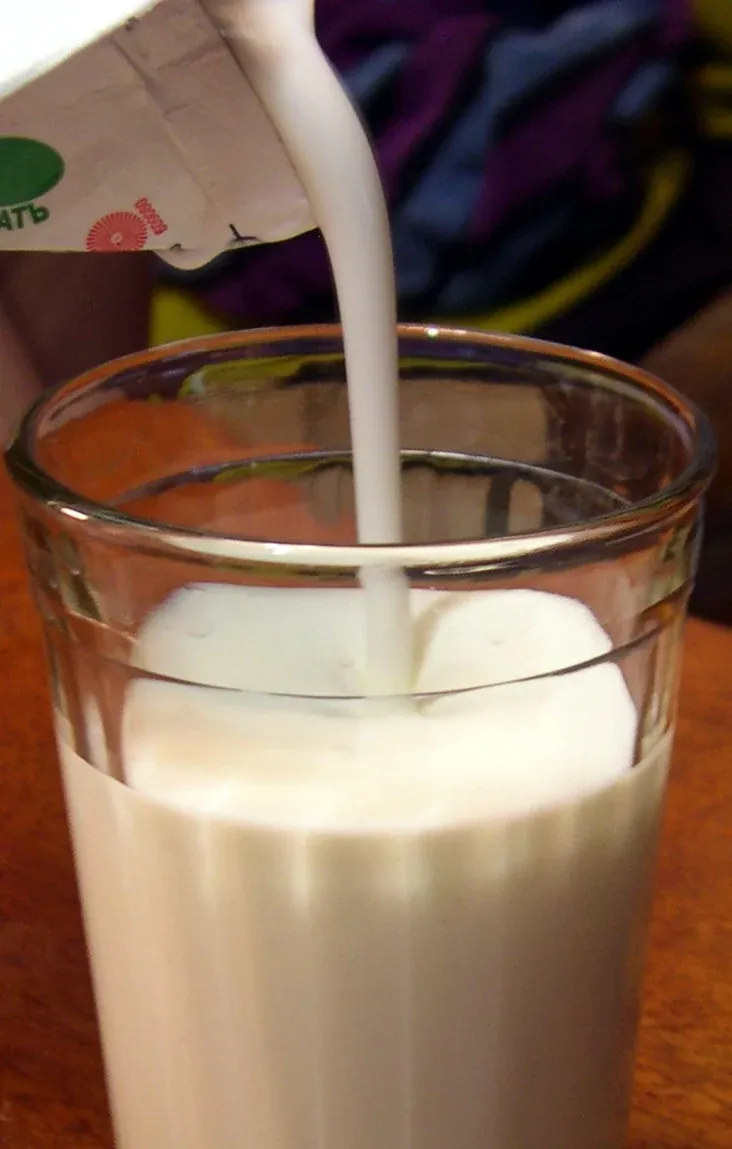
A simple starter ratio is one tablespoon of active kefir grains to two cups of milk. Place both in a clean glass jar, cover with a breathable lid or loose cap, and leave the jar away from direct sunlight. After about 24 hours, the milk should smell pleasantly sour and look slightly thickened. Strain the grains with a non-reactive strainer, move the finished kefir to the refrigerator, and begin the next batch with fresh milk.
- Use pasteurized milk: whole milk gives the creamiest texture, but low-fat milk also ferments.
- Avoid ultra-hot habits: kefir grains are alive, so do not add them to hot milk.
- Keep oxygen modest: a loose lid is fine, but a wide-open jar can invite off aromas.
- Strain gently: pressing grains hard through a sieve can damage their structure over time.
| Condition | Likely Cause | Fix |
|---|---|---|
| Very thin kefir | Too little time or weak grains | Ferment longer or refresh grains for several cycles |
| Curds and whey split | Over-fermentation | Use more milk, fewer grains, or a shorter ferment |
| Yeasty aroma | Warm room or long ferment | Ferment cooler and strain earlier |
Kefir vs Yogurt
Yogurt is usually made with selected thermophilic bacteria that thrive at warm incubation temperatures. Kefir is a room-temperature culture with a broader ecosystem that includes yeasts. That is why kefir can have a faint sparkle and a more layered aroma. Yogurt tends to set into a spoonable gel. Kefir is usually drinkable, though it can become thicker with whole milk, cooler fermentation, and a second rest in the refrigerator.
Second Fermentation for Flavor
After straining out the grains, finished kefir can be fermented a second time without grains for flavor development. Add a strip of lemon peel, a few crushed berries, a slice of ginger, or nothing at all, then leave the sealed kefir at room temperature for a few hours before refrigerating. This step can soften the texture and deepen the aroma. Because carbonation may build, use a jar that can handle pressure and open it carefully.
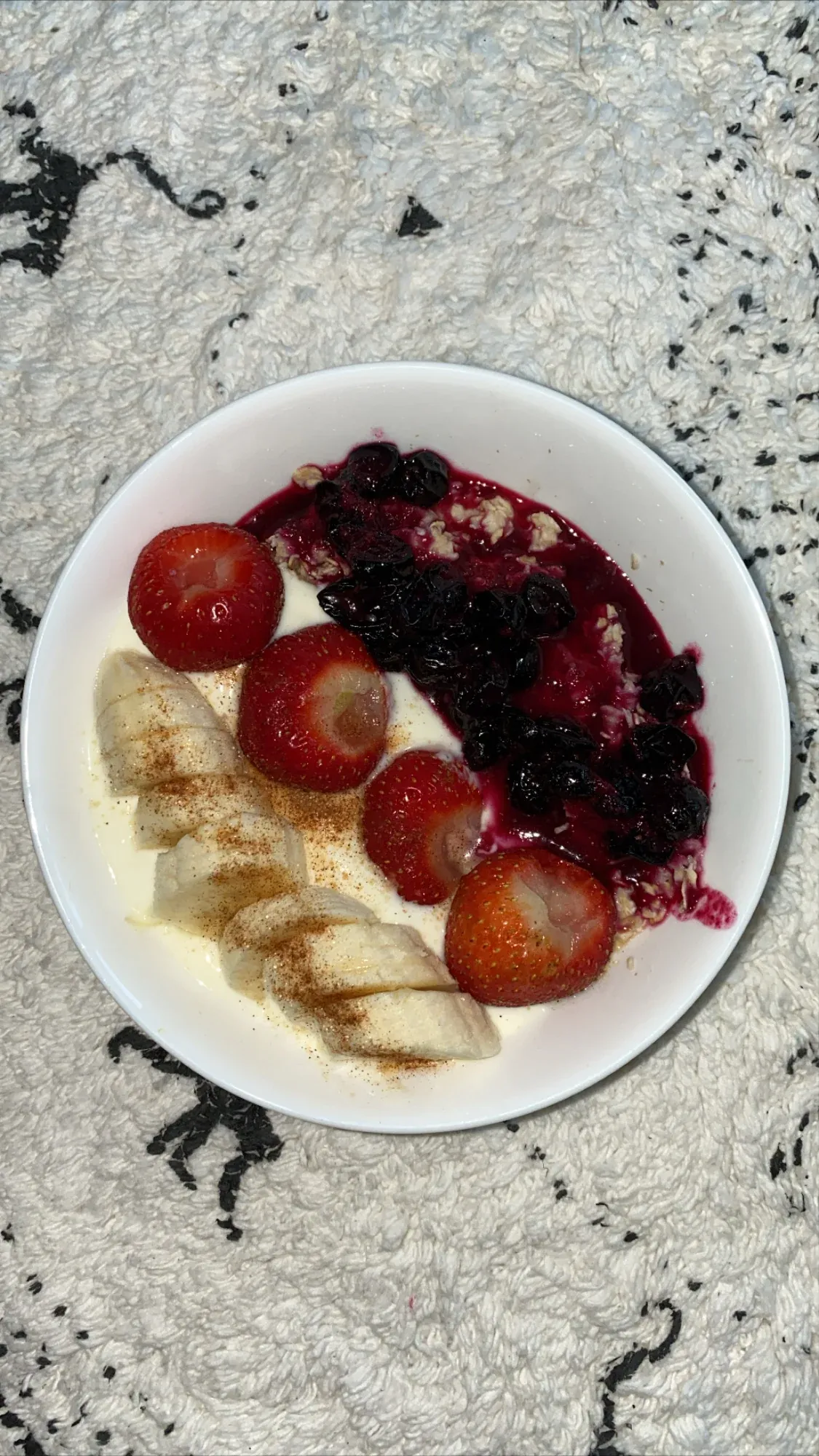
Second fermentation is also useful for people who find fresh kefir too sharp. Cold storage slows the microbes, while a short flavor rest can integrate the acidity. For smoothies, kefir pairs well with bananas, berries, oats, honey, and nut butter. For savory use, blend it with herbs, salt, cucumber, garlic, and olive oil for a sauce that sits somewhere between yogurt dressing and cultured buttermilk.
Digestibility and Expectations
Fermentation reduces lactose because the microbes consume milk sugar and convert it into acids and aroma compounds. That can make kefir easier to tolerate for some people with lactose sensitivity, though it is not automatically lactose-free. Anyone with a diagnosed milk allergy should treat kefir as dairy and seek medical advice before experimenting. For most dairy-tolerant people, kefir is best understood as a cultured food, not a miracle cure: useful, versatile, and interesting, but still part of a broader diet.
The pleasure of homemade kefir is that it becomes a small daily rhythm. Feed the grains, taste the batch, adjust the timing, and let the culture adapt to your kitchen. Once the grains are active, the process is inexpensive and endlessly renewable. A jar of milk on the counter quietly becomes breakfast, a smoothie base, a dressing, and a lesson in fermentation all at once.