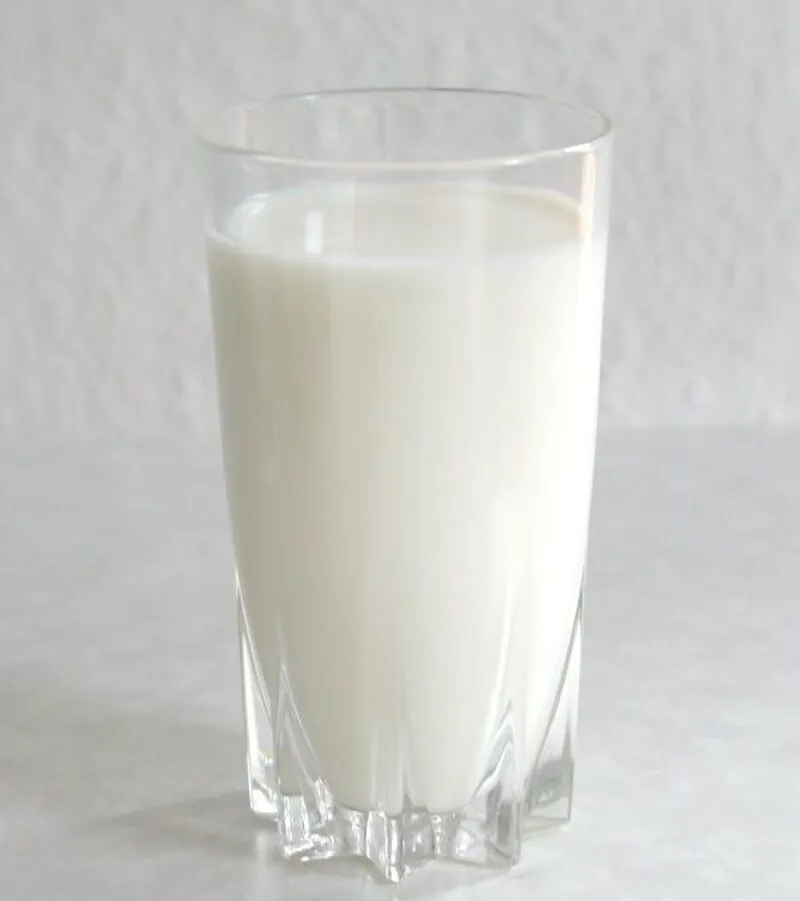
Milk has been nutritional bedrock and nutritional battleground simultaneously for decades. It is promoted by health authorities as essential for bone development, dismissed by vegan advocates as an unnecessary and environmentally damaging food, linked in some studies to reduced cardiovascular disease risk and in others to increased prostate cancer risk, lauded for its protein quality and castigated for its saturated fat content. The reality — as is almost always the case in nutrition science — is more nuanced than either promoter or critic typically acknowledges. Milk is genuinely one of the most nutritionally complete single foods available, contains specific bioactive components not found in other foods, is appropriate for most but not all people, and its health effects are significantly influenced by the type of milk, the quantity consumed, the population studied, and the overall dietary context. Here is what the science actually says, and what it remains genuinely uncertain about.
The Nutritional Profile: What's in a Glass of Milk
A 240ml glass of whole cow's milk (approximately 3.5–4% fat) contains:
- Protein: 8g — high-quality complete protein with all essential amino acids. Milk protein is approximately 80% casein (the slow-digesting protein that forms curds) and 20% whey (fast-digesting, with the highest leucine content of any food protein — the amino acid that most strongly signals muscle protein synthesis). Whey protein isolated from milk is the most widely researched sports nutrition supplement.
- Fat: 8g (of which 5g saturated) — milk fat is a complex mixture of over 400 different fatty acids, including conjugated linoleic acid (CLA), short-chain fatty acids (butyrate, which has demonstrated gut health benefits), and fat-soluble vitamins A, D, E, and K₂. The fat carries the flavour; fat-soluble vitamins require fat to be absorbed.
- Carbohydrate: 12g — almost entirely as lactose (milk sugar), which is broken down by the enzyme lactase into glucose and galactose. Those without sufficient lactase (the majority of the world's adult population) experience the symptoms of lactose intolerance.
- Calcium: 300mg — approximately 30% of the daily recommended intake for adults in a single glass. Milk calcium is highly bioavailable (approximately 30–35% absorption efficiency), significantly higher than plant calcium sources such as spinach (5% absorption, due to oxalate binding) and comparable to fortified plant milks (which use calcium carbonate, approximately 30% bioavailable).
- Other key micronutrients: Phosphorus (important for bone mineralisation alongside calcium), potassium, magnesium, iodine, riboflavin (B2), vitamin B12 (milk is one of the few significant sources in the typical non-vegan diet), and — in vitamin D-fortified milk (standard in the US, Canada, Finland) — vitamin D.
Total calories: approximately 150 calories per 240ml (whole milk); 90 calories (skim milk).
Milk and Bone Health: The Evidence
The strongest and best-established health benefit of milk consumption is its contribution to bone mineralisation — particularly in childhood and adolescence, when 90% of peak bone mass is acquired. The calcium, phosphorus, protein, and vitamin D in milk are all essential co-factors in bone development. The evidence base includes:
- A 2020 meta-analysis in the European Journal of Nutrition (pooling data from 43 prospective cohort studies) found that dairy consumption was associated with a statistically significant reduction in hip fracture risk — approximately 6% risk reduction per 200ml/day increment of milk intake.
- Randomised controlled trials in children and adolescents consistently show that dairy supplementation increases bone mineral density — with the largest effect during the pubertal growth spurt (ages 10–16 in girls, 12–18 in boys).
- The relationship between dairy consumption and fracture risk in adults is less clear — the Harvard Nurses' Health Study (ongoing since 1976, 72,000 participants) found no statistically significant association between milk consumption and hip fracture risk in women over 50. Some researchers have proposed a "calcium paradox" — countries with the highest dairy consumption also have the highest hip fracture rates — but this is likely confounded by other factors (lower physical activity, vitamin D deficiency in northern latitudes, body weight, and overall diet quality).
Whole Milk vs Skim Milk: The Saturated Fat Debate
For most of the period 1970–2010, official dietary guidance recommended reduced-fat or skimmed dairy — the assumption being that the saturated fat in whole milk elevated LDL cholesterol and increased cardiovascular disease risk. This guidance is now significantly more contested:
- A 2018 Lancet study (195 countries, 135,335 participants over 7.4 years — the PURE study) found that higher fat dairy consumption was associated with lower all-cause mortality, lower stroke incidence, and no significant increase in cardiovascular events.
- Multiple studies have shown that milk saturated fat is not equivalent to other sources of saturated fat — the fat in dairy is consumed in a food matrix (with protein, minerals, and bioactive compounds) that modifies its metabolic effects. The "food matrix effect" means whole milk behaves differently in the body than isolated saturated fat.
- Skim milk's removal of fat removes the fat-soluble vitamins (A, D, E, K₂) along with it — vitamins D and K₂ in particular play important roles in calcium metabolism and bone health. Skim milk is typically vitamin A and D fortified to compensate.
- The current expert consensus (2024) has moved away from "choose reduced-fat dairy" as a universal recommendation — full-fat dairy appears neutral to beneficial for most people in the context of overall diet quality. The American Heart Association still recommends low-fat dairy for people with elevated LDL; this is a specific cardiovascular risk management position rather than a universal health recommendation.
Milk and Cancer: A Nuanced Picture
The relationship between milk consumption and cancer risk is one of the most studied and complex areas in nutritional epidemiology:
- Colorectal cancer: The strongest and most consistent finding — multiple large meta-analyses show dairy consumption is associated with reduced colorectal cancer risk, approximately 9–15% risk reduction per 200–300g dairy consumed per day. The protective mechanism is thought to involve calcium binding to carcinogenic bile acids in the colon, limiting their mucosal contact. This is one of the more robust nutrition-cancer relationships in the literature.
- Prostate cancer: The most concerning association — some studies have found higher dairy and calcium intake associated with increased prostate cancer risk (though the association strengthens primarily for advanced prostate cancer rather than total prostate cancer incidence). The 2023 World Cancer Research Fund report concluded that dairy foods "probably increase" the risk of prostate cancer, based on 12 cohort studies. The biological mechanism is thought to involve IGF-1 (insulin-like growth factor 1), which is elevated by both dairy protein and calcium intake and which promotes cell proliferation.
- Breast cancer: The evidence is mixed and inconsistent; the balance of current evidence does not support a strong association in either direction. A 2021 cohort study (52,795 women) found an association between higher whole milk intake and increased breast cancer risk — but this was one study with significant methodological limitations.
Milk and Insulin-Like Growth Factor 1 (IGF-1)
IGF-1 — a hormone produced primarily in the liver in response to growth hormone — is present in milk and is also stimulated by milk protein consumption. IGF-1 promotes cell growth and division; elevated circulating IGF-1 has been associated in some studies with increased risk of breast, prostate, and colorectal cancer. Milk consumption raises circulating IGF-1 by approximately 10–15% — a real effect, though the clinical significance remains debated. IGF-1 levels are also strongly influenced by total caloric intake, body composition, and exercise — the milk contribution should be contextualised against these larger determinants.
Practical Guidance: What the Evidence Suggests
- For children and adolescents (without lactose intolerance or dairy allergy): dairy consumption during bone development is well-supported and difficult to replicate nutritionally with plant sources without careful attention to supplementation.
- For adults without prostate cancer risk factors: 1–2 servings of dairy daily appears neutral to mildly beneficial for cardiovascular health, bone health, and colorectal cancer risk in the context of an otherwise healthy diet.
- For men with family history of prostate cancer: a precautionary reduction in dairy consumption is reasonable based on current evidence — though causality is not established.
- Whole vs skim: the evidence no longer clearly supports skim as preferable for most people. Choose based on overall caloric context and personal preference.
Related: Lactose Intolerance: The Complete Guide | Plant-Based Milk Comparison: Oat, Almond, Soy, Coconut, and Pea