Pour a glass of milk, and what do you see? White. Creamy. Familiar. But behind that glass is a cascade of decisions made on farms, in processing plants, and in the supply chain that determine whether what you are drinking is truly excellent or merely adequate. Understanding what makes good quality milk is both a science and an art — and it starts long before the carton reaches your refrigerator.
1. Fat Content: The First Indicator of Quality
Milk is naturally rich in fat, and this fat is one of the primary drivers of flavour, texture, and nutritional value. Whole milk typically contains around 3.25% fat or higher. Premium milks — especially from Jersey or Guernsey cows — can reach 4.5% to 5% butterfat, giving the milk a noticeably creamier, more rounded taste.
Fat is not just about richness. Milk fat carries fat-soluble vitamins (A, D, E, and K), and its fatty acid profile includes conjugated linoleic acid (CLA), which has been associated with anti-inflammatory and immune-supporting properties. Grass-fed cows in particular produce milk with significantly higher levels of omega-3 fatty acids and CLA compared to grain-fed counterparts.
2. Protein Quality and Somatic Cell Count
A good-quality milk will have a high protein content (typically around 3.2–3.5% protein) and a low somatic cell count (SCC). Somatic cells are essentially white blood cells that appear in milk, and their concentration is a direct indicator of udder health. Elevated SCC often signals mastitis — an udder infection — which negatively affects both flavour and nutritional composition.
In the European Union, the legal maximum SCC is 400,000 cells per millilitre, while premium dairies often target under 150,000. Ultra-premium artisan dairies can achieve SCC below 100,000, producing milk that is cleaner-tasting and longer-lasting.
3. The Role of the Cow's Diet
What a cow eats is directly expressed in the milk it produces. Cows on lush, diverse pastures produce milk with a richer fatty acid profile, more beta-carotene (which gives grass-fed milk a slight yellow tint), and higher antioxidant levels. This is why seasonal raw milk from spring and summer grazing periods has a noticeably different — and often superior — flavour profile compared to winter milk.
Farms that supplement feed with silage, grain mixes, or hay during colder months will produce milk with a different composition. Neither is inherently bad, but understanding this cycle helps you appreciate why truly premium milk is often seasonal and local.
4. Freshness and the Cold Chain
Even perfect milk degrades rapidly if the cold chain is broken. From the moment milk is collected, it should be cooled to below 4°C (39°F) within two hours. Any lapse in refrigeration accelerates bacterial growth and degrades flavour compounds.
One practical tip: when buying milk, always check the production date rather than just the expiry date. Fresher milk will taste significantly better in coffee, with cereal, or simply in a glass. Some boutique dairies now print the exact milking date — a clear sign of quality commitment.
5. Pasteurisation Methods Matter
Most commercial milk is either:
- HTST (High Temperature Short Time) — heated to 72°C for 15 seconds. This is the most common method and preserves most flavour.
- UHT (Ultra-High Temperature) — heated to 135°C for 2–4 seconds, giving shelf-stable milk but altering its flavour more significantly.
- VAT/Slow Pasteurisation — heated to 63°C for 30 minutes. Less common but considered by many to preserve more of the milk's natural character.
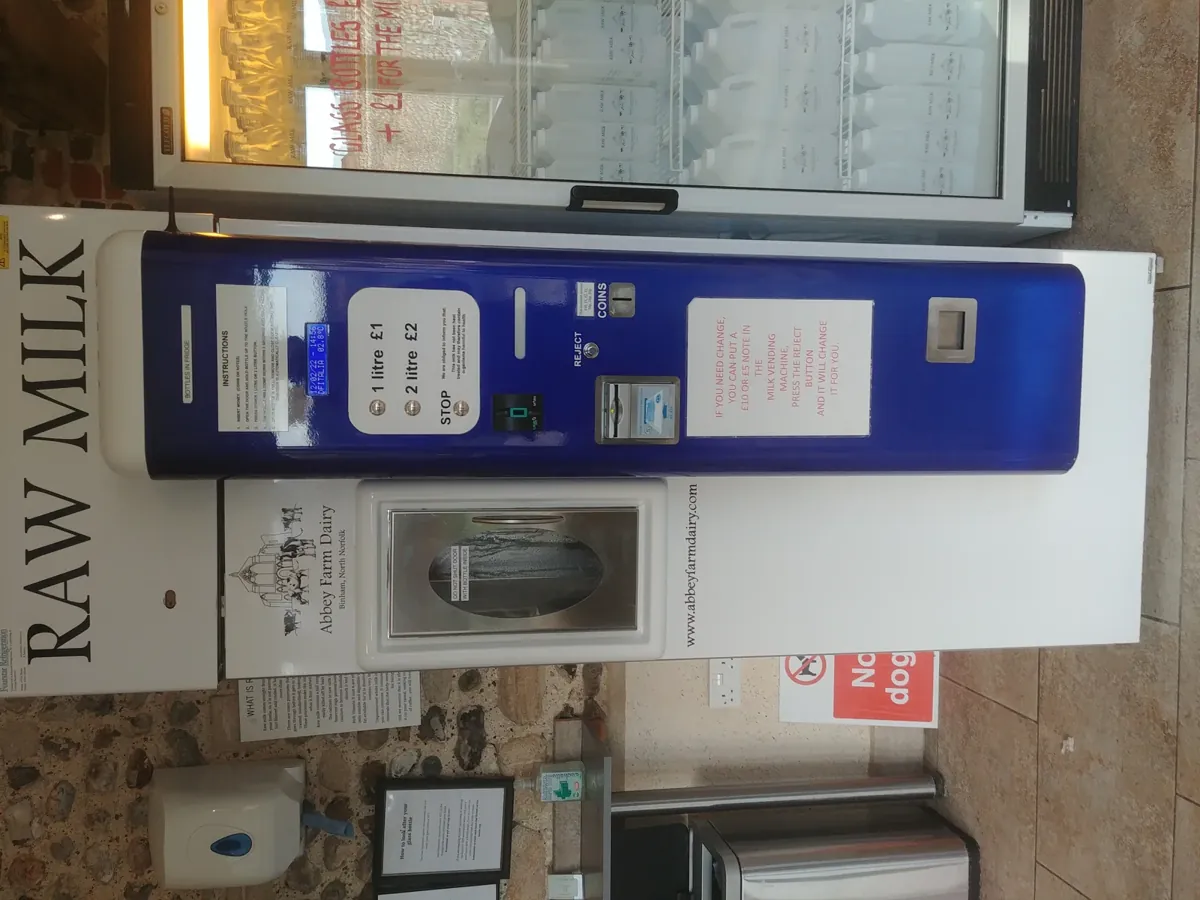
For the freshest-tasting milk, HTST or VAT pasteurised milk from a local dairy is generally considered superior to UHT. In countries where raw (unpasteurised) milk is legal and regulated, a passionate minority argue that nothing beats milk in its natural state — though food safety considerations are real and should not be dismissed.
6. Breed of Cow and Its Impact
Not all cows are created equal when it comes to milk quality:
- Holstein-Friesian: The world's most common dairy breed, producing the highest volume of milk but with lower fat and protein percentages.
- Jersey: Smaller cows, but their milk contains up to 5% butterfat and 3.8% protein — exceptional for cream, cheese, and butter.
- Guernsey: Produce "golden milk" rich in beta-carotene, with higher A2 beta-casein levels.
- Brown Swiss: Balanced fat and protein; milk highly prized in European cheese-making.
7. Testing for Quality: What Dairies Look For
Commercial dairy operations run rigorous testing on every batch, checking:
- Total Bacterial Count (TBC) — ideally below 20,000 CFU/ml
- Coliform count — indicators of hygiene
- Antibiotic residue testing — zero tolerance in most markets
- Freezing point — adulteration (water addition) can be detected here
- Fat, protein, and lactose composition via infrared spectrometry
The Bottom Line
Good quality milk begins with a healthy, well-fed cow, continues through careful milking hygiene, and is preserved through an unbroken cold chain and appropriate processing. When you find a brand or local dairy whose milk consistently tastes richer, creamier, and fresher — trust your palate. It is probably doing most things right.
Next time you pour a glass, take a moment to appreciate what went into producing it. Milk may be the world's most taken-for-granted superfood — and it deserves better.
Enjoyed this article? Share it with a fellow dairy lover and explore more of our milk and dairy guides below.