Filed under
dairy science
13 stories · all stories
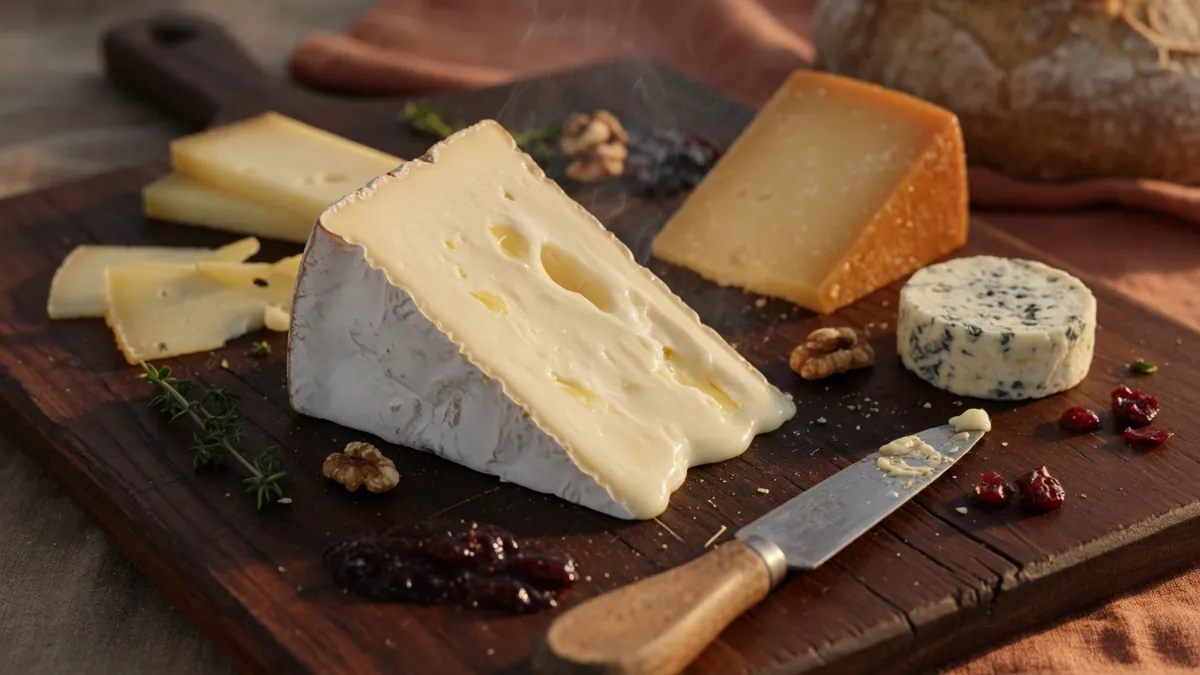
Why We Don't Eat Pig Cheese (The Biology of Milkability)
Pig milk is packed with 8.5% fat and 6% protein, so why isn't pig cheese in the supermarket? The answer lies in sow lactation anatomy, the 15-second letdown window, and m
The Animal That Sweats Milk (And It Might Save Your Life)
Platypuses don't have nipples — they express milk directly through skin pores. Because this exposes milk to dirt and bacteria, it contains a unique protein that could hel

Beyond the Cow: A Global Tour of the World’s Most Extreme Milks
Explore the world's most remarkable milks — from Japan's sweet Hokkaido cream and Guernsey's naturally golden milk to 60% fat seal milk and the animal that refuses to be
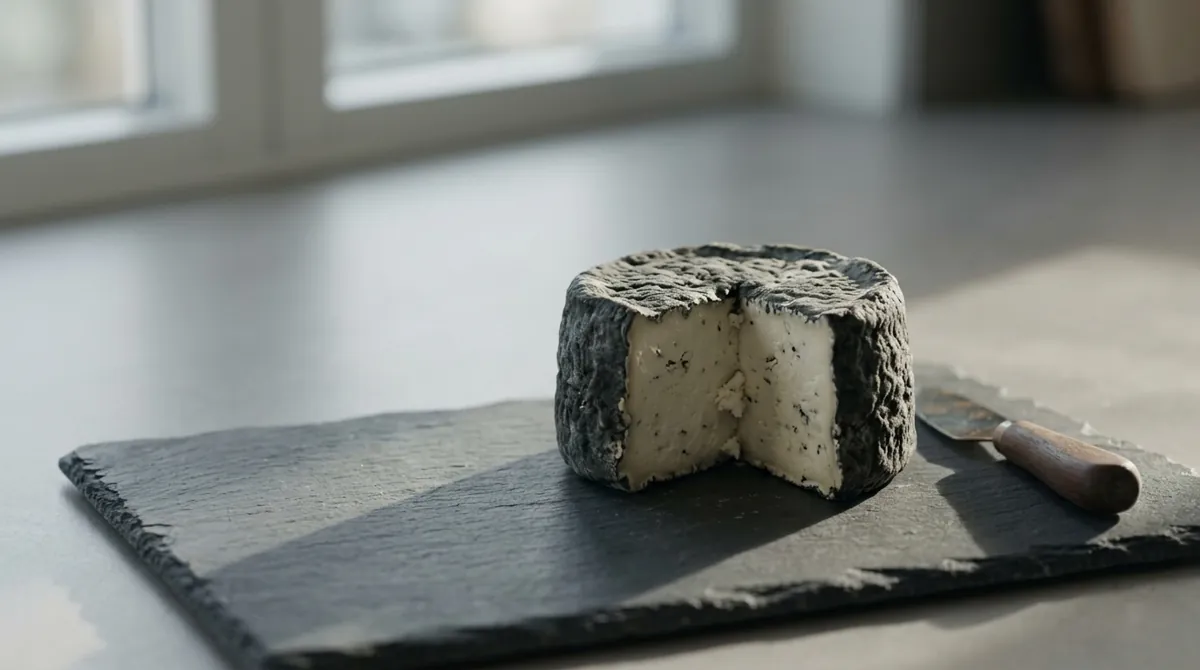
Is Your Cheese Illegal? Why Some Dairy Foods Are Banned Around the World
From Sardinia's maggot cheese to raw milk, some dairy foods are restricted or banned. The reason is rarely "because it's gross" — it's food-safety law trying to control i
Why Your Ancestors Got a Superpower Most Mammals Don't Have
Most mammals can't digest milk as adults — and neither could most ancient humans. The evolution of lactase persistence is one of the fastest, strongest signals of natural
No Rennet, No Problem: How to Make Fresh Cheese in 30 Minutes
You don't need rennet, cultures, or aging to make cheese. With milk, heat, and a splash of acid you can curdle fresh cheese in half an hour — here's the science of why it
Why Your Latte Milk Never Looks Like the Coffee Shop
Latte art doesn't fail at the pour — it fails inside the pitcher. The science of microfoam: milk proteins, fat, temperature, and the texturing step home baristas skip.
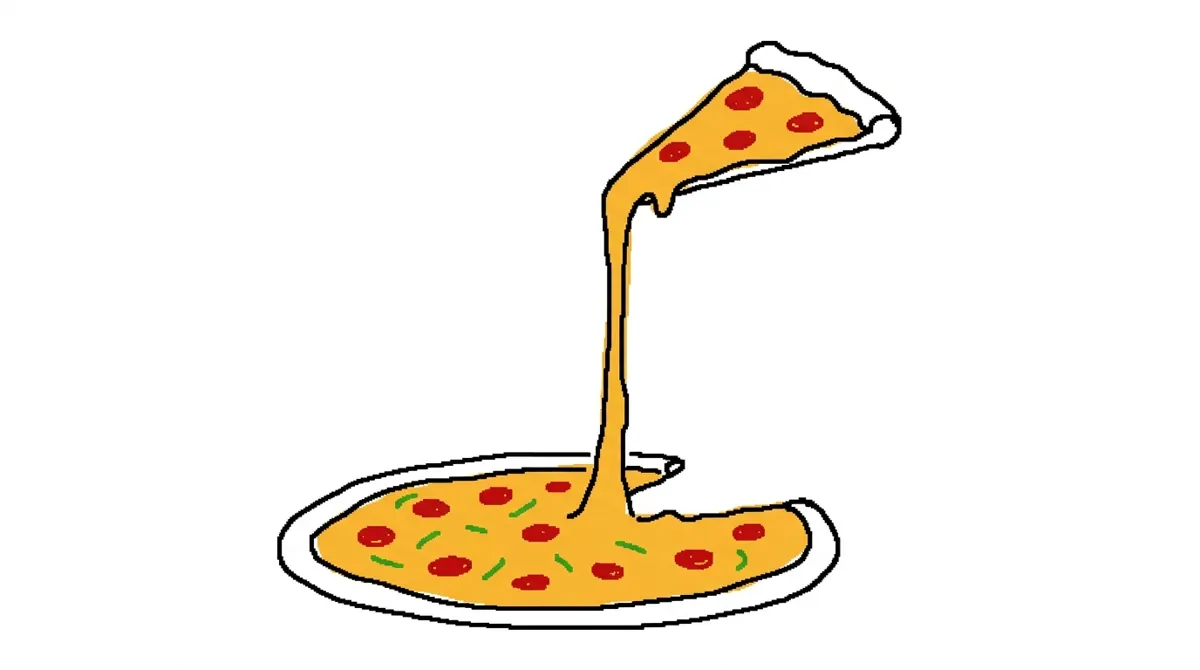
The Cheese Melt Mystery: Why Some Cheeses Stretch and Others Refuse to Melt
Mozzarella becomes a golden rope; halloumi sits on a grill like a brick. The difference isn't magic — it's the protein-and-calcium architecture inside the cheese.

The Science of Homogenisation: Why Milk Doesn't Separate
Understand the physics and science behind milk homogenisation, why it was invented, and why some dairy purists prefer non-homogenised creamline milk.

Sheep Milk Cheese: Why Pecorino, Manchego, and Roquefort Taste So Intense
Sheep milk is richer than cow milk and creates some of the world's boldest cheeses. Learn the science behind Pecorino, Manchego, Roquefort, and ewe milk flavor.
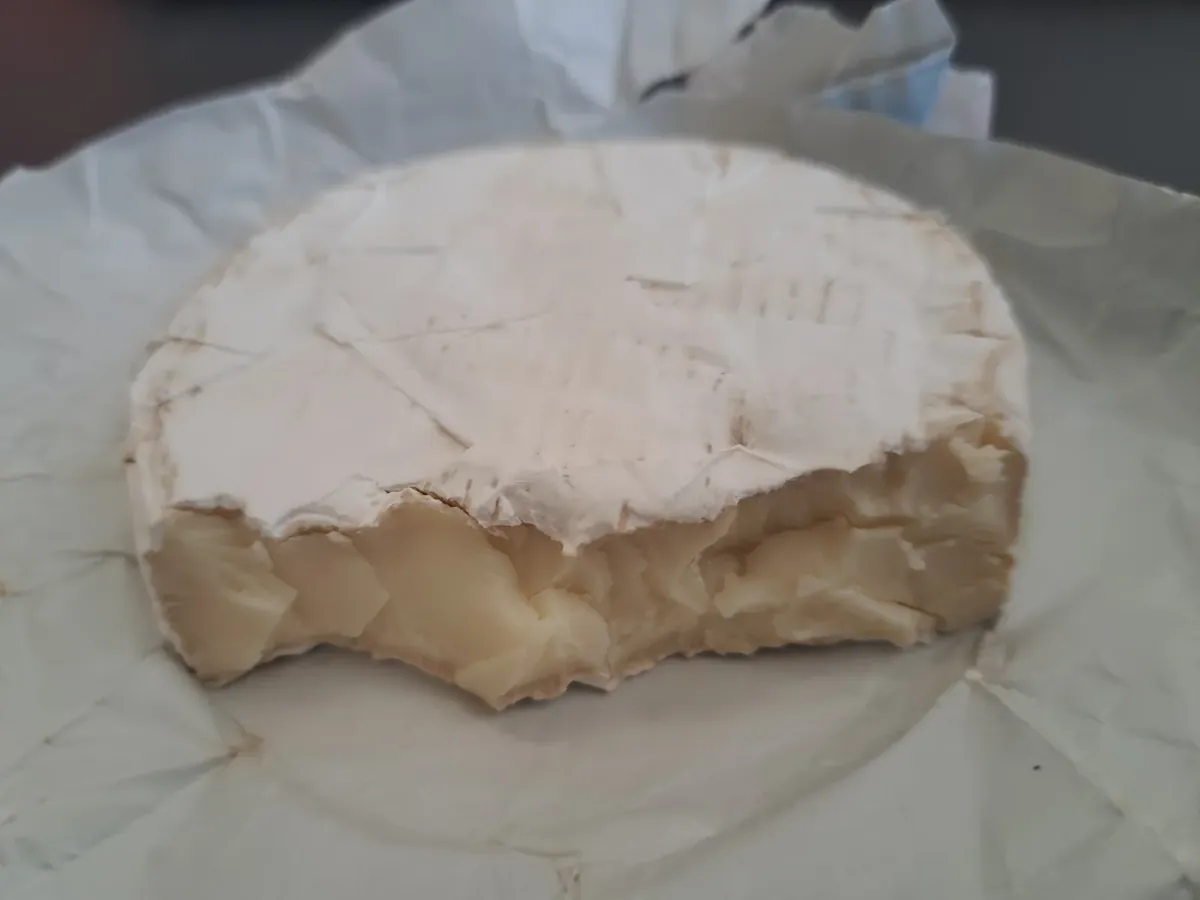
Understanding Lactose Intolerance: The Science of Lactase Enzymes and Dairy Digestion
Explore the biochemistry of lactose intolerance. Learn how the lactase enzyme breaks down dairy sugar, and discover the food science behind lactose-free milk.

Donkey Milk: The World's Most Expensive Dairy and Its Surprising Science
Donkey milk costs up to €30/litre and €150/100g as powder. Here's the science behind its composition, Cleopatra's baths, Pule cheese, and infant CMPA use.
A2 Milk: The Science Behind Dairy's Fastest-Growing Trend
A2 milk has gone from niche health food to supermarket staple. Here is the science behind why some people who can't tolerate regular milk find A2 easier to digest — and w