Understanding where food comes from — genuinely understanding it, not as an intellectual abstraction but as a physical experience of watching, smelling, and tasting the process — changes the way you eat. A visit to a working dairy farm, particularly a small-scale artisan operation where a single family manages a herd and produces cheese or butter on the same property, compresses the entire food chain into a morning: the animals, the milk, the transformation, and the product. For children especially, it is one of the most formative food experiences possible; for adults, it is a corrective to the alienation from food that modern food systems can produce. Here are the world's great dairy farm experiences.
Switzerland and Austria: The Alpine Alpage Tradition
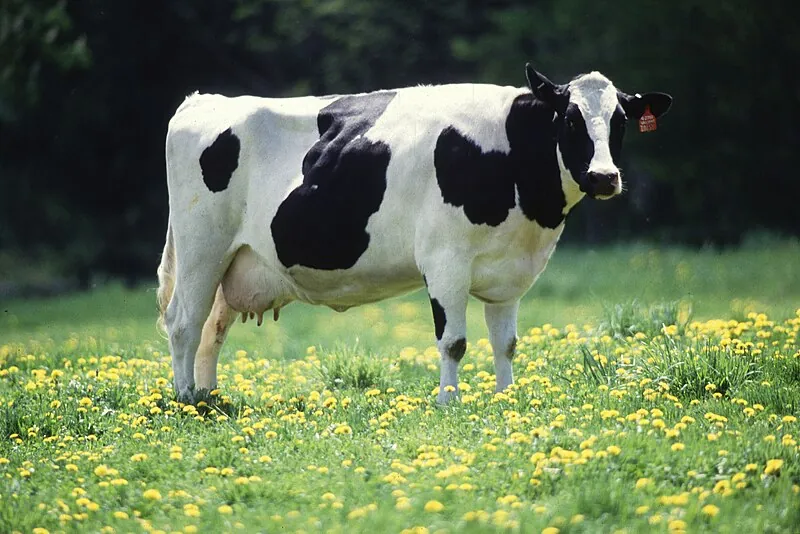
The alpage (or Alm in German) is the high-mountain summer pasture — the seasonal migration of cattle from valley farms to mountain meadows (typically 1,500–2,500m) between June and September, where they graze on wildflower-rich grass that imparts the exceptional flavour complexity to mountain cheeses like Gruyère, Comté, and Emmentaler.
Several Swiss and Austrian alpages welcome visitors, offering the extraordinary experience of watching cheese made in a copper kettle over an open fire in a mountain chalet, tasting the cheese fresh (before ageing), and understanding why the same breed of cow, the same recipe, and the same cheesemaker produce a fundamentally different cheese from mountain milk than from valley milk. The Appenzell region of northeastern Switzerland and the Bregenzerwald in Vorarlberg, Austria, have particularly well-developed agritourism infrastructure with farm accommodation and cheese trail walks.
France: Comté and Roquefort Country
The Jura region of eastern France — the heartland of Comté production — offers some of Europe's most rewarding cheese tourism. The fruitières (the cooperative dairies where milk from multiple farms is combined to make Comté) welcome visitors, and the combination of landscape (the Jura plateau, the pine forests, the river gorges) with the cheese tradition makes for an exceptional food-travel experience. The La Maison du Comté in Poligny is an excellent visitor centre.
In the south: the Caves of Roquefort-sur-Soulzon offer guided tours through the natural limestone caves where Roquefort is aged — explaining the specific geology (the fleurines, or natural air shafts, that provide the consistent humidity and temperature for ageing), the history of the 1411 royal protection decree, and the role of Penicillium roqueforti in creating the blue veining. Tasting in the cave is the culmination.
England: Cheddar and Beyond
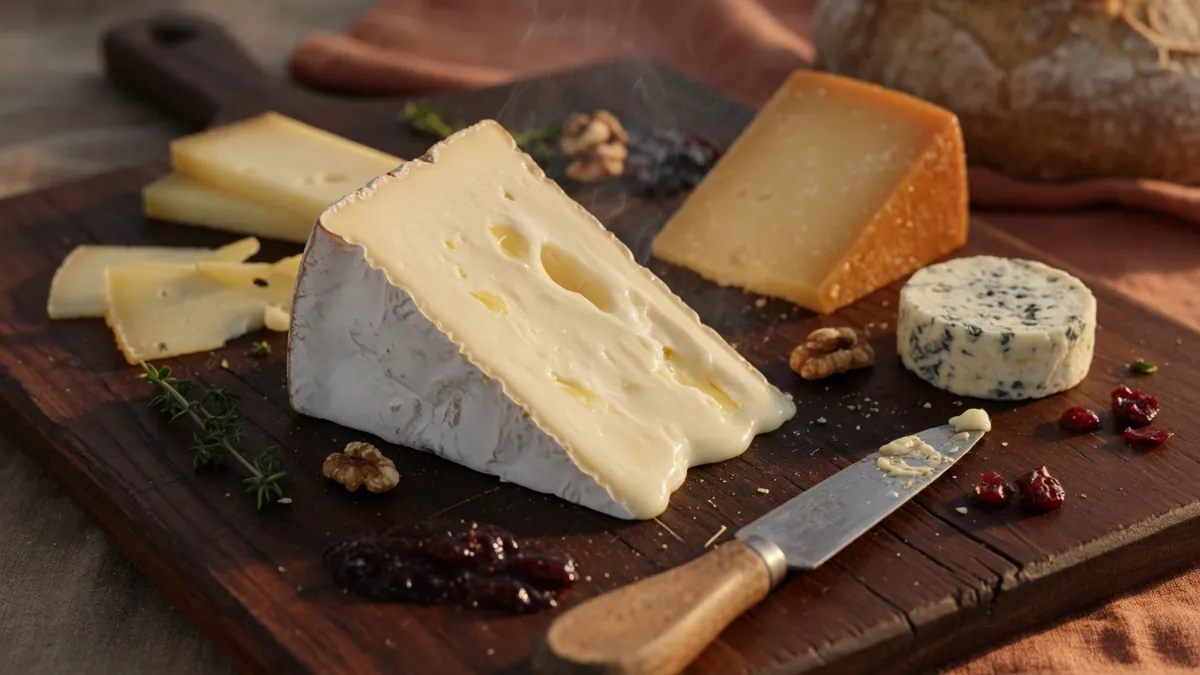
Montgomery's Cheddar in Somerset — one of a handful of producers still making traditional raw-milk, cloth-bound Cheddar — offers farm visits by appointment. Watching the curd being cut and stirred by hand, the "cheddaring" process (stacking and turning the curd slabs to develop the characteristic crumbly texture), and the bandaging of the finished wheels in lard-soaked cloth before months of ageing is a masterclass in why traditionally made Cheddar is a fundamentally different food from the industrial block Cheddar that shares its name.
The Cheddar Gorge Cheese Company in Somerset and Neal's Yard Creamery in Herefordshire offer visitor experiences. More broadly, the artisan cheese trail through the English West Country connects multiple small producers in Somerset, Dorset, and Devon with guided tastings and farm visits.
Italy: Parmigiano-Reggiano Consorzio Experience
The Emilia-Romagna region — la grassa (the fat one) — is Italy's great food region, and the most extraordinary dairy experience is a visit to a Parmigiano-Reggiano caseificio. The production begins at 5am when the morning milk arrives; the transformation of milk into 40kg wheels of Parmigiano (each requiring 550 litres of milk) takes approximately 3 hours of intense physical work; the cheese is then brined and transferred to the ageing warehouse where thousands of wheels are turned and brushed by hand twice a week for 12–36 months.
Several caseifici around Parma, Reggio Emilia, and Modena offer morning tours. Booking directly through the Consorzio del Formaggio Parmigiano-Reggiano website provides a list of participating dairies. The combination of a caseificio tour with a visit to a salumificio (prosciutto di Parma or culatello production) and an aceto balsamico producer in the same region constitutes one of the world's great food-tourism days.
Vermont, USA: America's Artisan Dairy Heartland
Vermont has one of the highest concentrations of artisan dairy producers per capita in the United States — a consequence of the state's small-farm tradition, the failure of industrial dairy to fully displace it, and the revival of interest in artisan food. Notable visits:
- Cabot Creamery (Cabot): The cooperative that produces Vermont's most famous Cheddar offers a visitor centre and tours
- Jasper Hill Farm (Greensboro): The producer of Winnimere (raw-milk, spruce-bark-wrapped washed rind), Bayley Hazen Blue, and other extraordinary American artisan cheeses — tours by appointment for serious cheese enthusiasts
- Shelburne Farms (Shelburne): A working farm, inn, and educational center on the shore of Lake Champlain — cheesemaking demonstrations, farm tours, and their famous farmhouse Cheddar available in the farm shop
New Zealand: Pastoral Dairy Country
New Zealand's dairy industry operates at massive scale, but its artisan sector is growing rapidly. The Whitestone Cheese facility in Oamaru (South Island) and Kapiti Cheese in the Kapiti Coast offer visits and tastings. The broader experience of New Zealand's pastoral landscape — the rolling green hills grazed by millions of sheep and dairy cows, the clean-water streams, the absence of the crowding and pollution that characterise dairy production in many countries — is itself an argument for visiting.
How to Find Dairy Farm Visits Near You
- National cheese or dairy associations often maintain lists of members open to visitors
- Slow Food convivia (local Slow Food chapters) organise farm visits in most countries
- Agritourism platforms (Agriturismo.it for Italy; farmstay.co.uk for the UK; WWOOF globally) connect visitors with working farms
- Contact directly: Many small artisan producers welcome visitors who contact them in advance, even if they don't have formal programmes
Related: Parmigiano-Reggiano: The King of Cheeses | Europe's Hidden Gems: Underrated Food Destinations