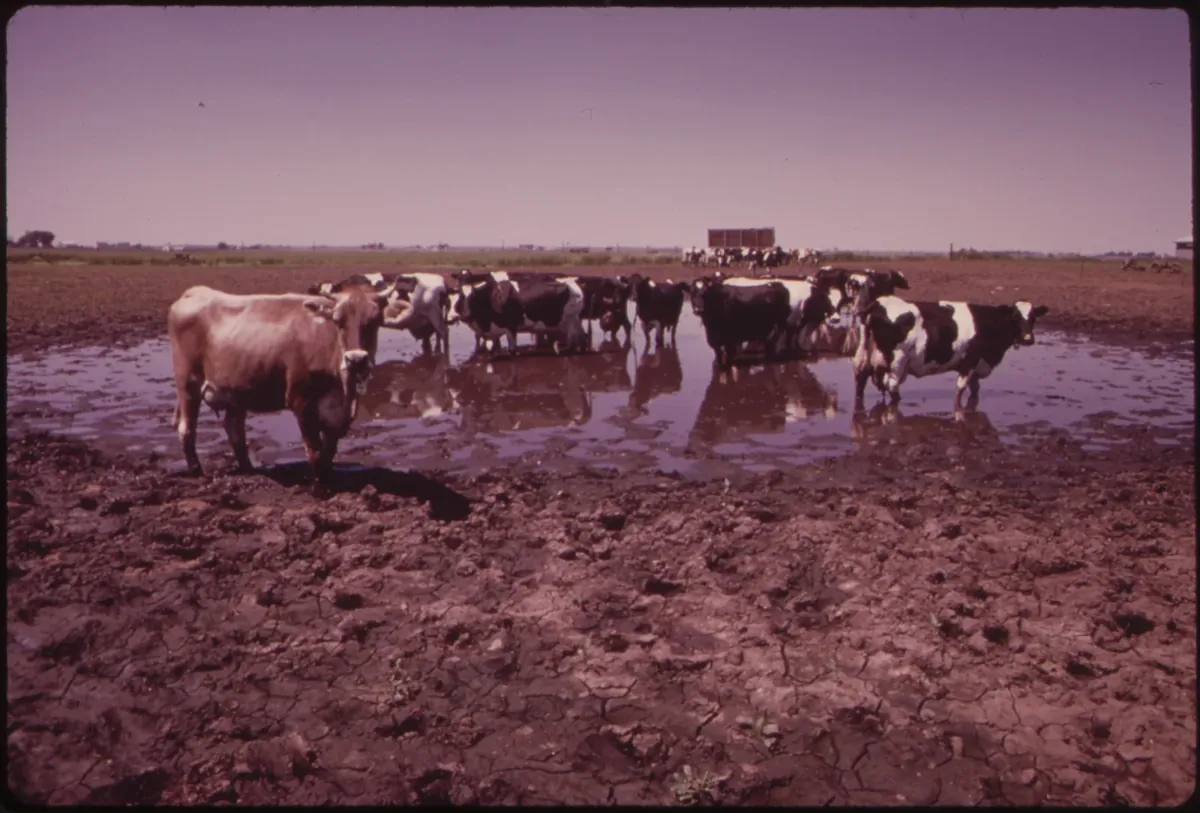
Great milk is, in many ways, a product of geography. The climate, the soil composition, the plant biodiversity of the pastures, the altitude, the rainfall — all of these factors shape the flavour and nutritional character of milk produced in a given region. Some places on Earth seem almost designed by nature for dairy farming. Let's travel through them.
1. Ireland: The Emerald Island of Dairy
Ireland's mild Atlantic climate, with its consistent rainfall and moderate temperatures, produces lush, year-round grass growth that is the envy of dairy farmers worldwide. Irish dairy cows spend an average of 250–280 days per year grazing outdoors — far more than most European counterparts.
The result is milk with an exceptionally high CLA and omega-3 content. Brands like Kerrygold have turned Irish dairy into a global export phenomenon, with Irish butter now the top-selling imported butter in the United States.
The Munster region — counties Cork, Kerry, Limerick, and Tipperary — forms the heartland of Irish dairy production, with rolling green drumlin hills and river valleys perfectly suited to grazing.
2. New Zealand: The World's Dairy Powerhouse
New Zealand punches far above its weight in global dairy. With a population of just 5 million people but over 5 million dairy cows, New Zealand exports roughly 95% of its dairy production — making it the world's largest per-capita dairy exporter.
The South Island's Canterbury Plains and the North Island's Waikato region are the key production zones. The temperate climate allows year-round outdoor grazing, and the relatively low-intensity farming system keeps costs manageable. The Fonterra cooperative, owned by NZ dairy farmers, is one of the world's largest dairy companies.
3. Denmark and the Netherlands: Engineering Excellence in Dairy
Northern European dairy — particularly from Denmark, the Netherlands, and northern Germany — represents the pinnacle of technical dairy farming. These countries may not have Ireland's grass quality, but they have developed extraordinary expertise in:
- Precision livestock feeding and nutrition
- Automated robotic milking systems
- Genetic improvement programmes
- Strict hygiene and quality control regimes
Danish milk, in particular, is highly prized for its consistency and low bacterial counts. The Netherlands' FrieslandCampina is one of the world's largest dairy cooperatives, operating across dozens of markets.
4. Switzerland and the French Alps: The Terroir of Milk
In Switzerland and the French Alps, altitude transforms dairy. Alpine pastures at 1,500–2,500 metres elevation host an extraordinary diversity of plant species — wild herbs, flowers, and grasses that simply do not exist at lower altitudes. Cows grazing these alpage pastures in summer produce milk with a flavour complexity that is genuinely unique.
This milk becomes some of the world's most celebrated cheeses: Gruyère, Comté, Beaufort, Appenzeller. The concept of terroir — so familiar in wine — applies equally to alpine milk. The Abondance, Tarentaise, and Hérens cow breeds, adapted to mountain terrain, play a key role.
5. Hokkaido, Japan: Asia's Dairy Eden
Japan's northernmost island of Hokkaido is an anomaly in Asia — a cool, spacious, dairy-farming region that produces milk of remarkable quality. The vast Tokachi Plain and the hills around Biei and Furano are blanketed in pastures reminiscent of northern Europe.
Hokkaido milk has become a cultural phenomenon in Asia, celebrated for its exceptional richness and creaminess. It forms the backbone of Japan's extraordinary dairy dessert culture — from soft-serve ice cream to baked milk bread, fresh cheese, and European-style yoghurt. We dedicate a full post to Hokkaido milk later in this series.
6. Vermont and Wisconsin, USA: America's Dairy Belt
Within the United States, Vermont has carved a niche as America's artisan dairy capital. Small family farms producing raw-milk cheese, farmstead butter, and craft yoghurt have made Vermont a dairy tourism destination. The Green Mountains and their rich valley soils support excellent grazing.
Wisconsin, meanwhile, is the industrial core of American dairy — producing more cheese than any other state and home to hundreds of dairy cooperatives. The "America's Dairyland" motto on Wisconsin license plates is no idle boast.
7. Punjab, India: The World's Largest Dairy Region by Volume
India is the world's largest milk producer by volume, and the Punjab region — spanning both India and Pakistan — is the historical heartland of South Asian dairy culture. Buffalo milk dominates here, richer in fat than cow's milk, and forms the basis of paneer, ghee, dahi (yoghurt), and lassi.
While Indian dairy is less prominent in export markets, the sheer scale and cultural depth of dairy in this region make it one of the world's most significant milk-producing zones.
What Makes a Location Great for Dairy?
The common threads in the world's best dairy regions:
- Reliable rainfall or irrigation supporting grass growth
- Moderate temperatures avoiding heat stress in cows
- Rich, mineral-dense soils feeding nutritious pastures
- Strong multi-generational farming culture and tradition
- Access to good genetic stock and veterinary support
- Proximity to processing infrastructure and markets
Geography is destiny in dairy. The milk on your table is shaped as much by the landscape it came from as by any decision made in a factory.
Continue reading: World Milk Production Rankings by Country | Hokkaido Milk — Japan's Finest Dairy