Behind every excellent glass of milk is a well-fed cow. While breed, genetics, and farm hygiene all play important roles, the single greatest influence on the composition and flavour of milk is what the cow eats. Modern dairy nutrition is a sophisticated science, blending centuries of pastoral knowledge with cutting-edge analysis. Here is a deep dive into the feeding techniques that produce the best milk.
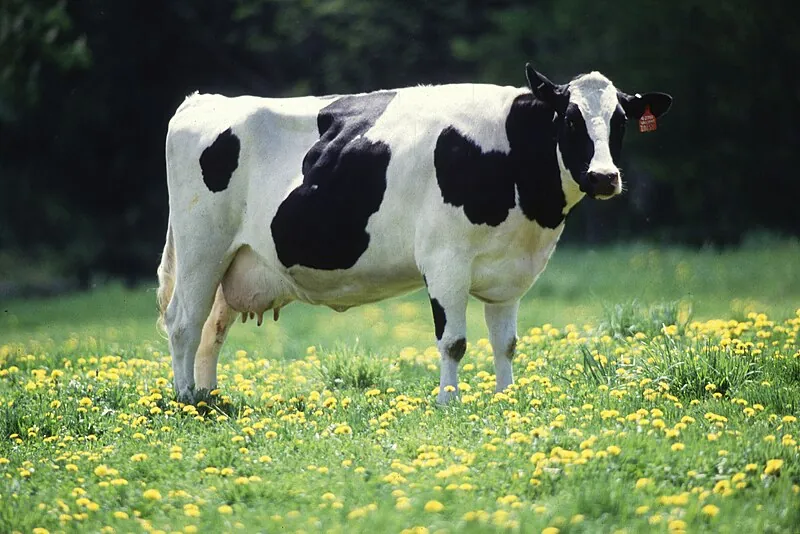
1. Grass-Fed Pasture Systems: The Gold Standard
Cows evolved to eat grass, and when they do, the results show up directly in the milk. Pasture-grazed cows produce milk with:
- Up to 5× more conjugated linoleic acid (CLA) — a fatty acid with anti-cancer and immune-support properties
- Significantly higher omega-3 to omega-6 ratios — important for cardiovascular health
- More beta-carotene — giving grass-fed milk a characteristic slight yellow tint and supporting vitamin A levels
- Higher levels of vitamin E and antioxidants
Countries like New Zealand and Ireland have built entire national dairy industries around year-round pasture systems, and their milks carry a global reputation for quality as a result.
2. Total Mixed Ration (TMR): Precision Nutrition at Scale
In large commercial operations, especially in North America, the dominant feeding method is Total Mixed Ration (TMR). All feed components — silage (fermented forage), hay, grains, protein supplements, minerals, and vitamins — are blended into a single mixed ration that cows eat free-choice from a feed bunk.
TMR allows nutritionists to precisely dial in the protein-to-energy ratio, fibre levels, and micronutrient content for each stage of the cow's lactation cycle. A fresh cow (just after calving) has very different nutritional needs from a mid-lactation cow or one being dried off, and TMR systems can accommodate all of these precisely.
The trade-off is that TMR-fed cows spend most of their time in confinement barns rather than pastures, which limits their exercise, sunlight exposure, and the diversity of plant compounds available in fresh grass.
3. Silage: Fermented Forage Done Right
Silage — particularly corn silage and grass silage — is a critical component of winter feeding in temperate climates where year-round grazing isn't possible. Made by fermenting chopped forage under anaerobic conditions, good silage retains much of the energy and protein of fresh forage.
Key indicators of good silage quality:
- pH below 4.0 — indicating successful fermentation
- Pleasant, slightly acidic smell — no ammonia or butyric acid
- High dry matter content (30–35% for corn silage)
- Absence of mould or heating
Poor silage can introduce off-flavours into milk and compromise animal health. Many artisan dairies refuse to use silage at all — particularly those making traditional raw milk cheeses — because even subtle fermentation byproducts can interfere with the final product.
4. The "No Silage" Rule in Artisan Cheese Regions
In traditional European cheese-making regions, some of the most prestigious Appellation d'Origine Protégée (AOP/PDO) cheeses legally prohibit the use of silage in feeding. This includes:
- Comté (France) — only fresh or dried hay permitted
- Gruyère AOP (Switzerland)
- Parmigiano-Reggiano (Italy)
- Beaufort (France) — strictly from alpine pastures
The reasoning is both flavour-based and microbial: silage encourages the growth of clostridia bacteria, which can cause issues in aged cheeses. But the tradition also preserves distinct regional flavour profiles driven by the diverse plant species in alpine and continental meadows.
5. Omega-3 Supplementation: A Modern Approach
Even in confinement systems, dairy nutritionists can improve the omega-3 profile of milk by supplementing with rumen-protected flaxseed or fish oil. These fats must be protected from rumen fermentation (which would convert them into saturated fats) using encapsulation technology.
The result is a commercially produced "omega-3 milk" that approaches the nutritional profile of fully grass-fed milk — useful in regions where year-round grazing is climatically impossible.
6. The Role of Mineral Nutrition
Trace minerals are often overlooked but critically important:
- Selenium — deficiency leads to retained placentas and reduced immune function; selenium-rich milk is associated with lower rates of mastitis
- Zinc and copper — vital for udder health and immune defence
- Iodine — important for thyroid function in the cow, and also a component of milk itself; regulations exist to prevent excess iodine in milk from teat-dip products
- Magnesium — critical during the transition period to prevent grass tetany in grazing cows
7. Water: The Most Overlooked Nutrient
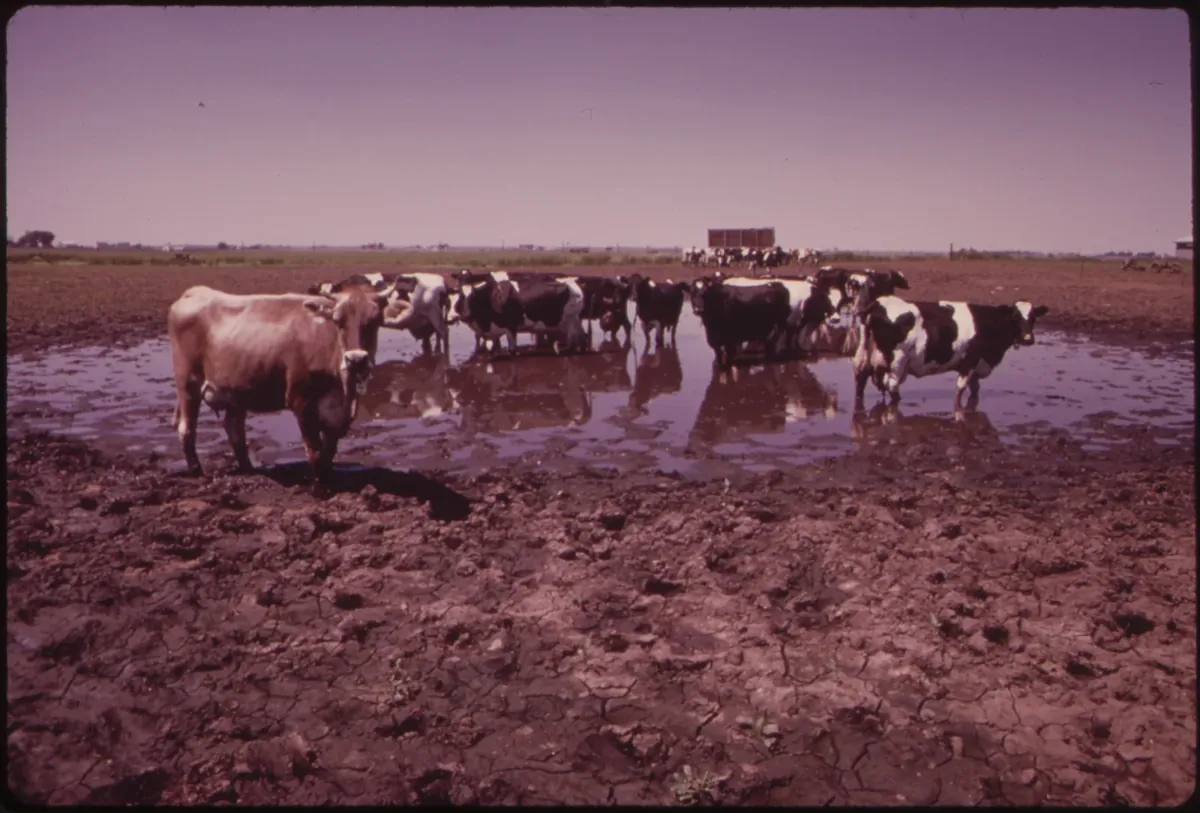
Cows producing 30–40 litres of milk per day can drink 100–150 litres of water. Water quality and availability are directly tied to milk production volume and milk quality. Cows with limited or dirty water access produce less milk with a higher bacterial load. Clean, accessible, cool water is as important as any element of the feed ration.
What This Means for Consumers
When you see labels like "100% grass-fed," "pasture-raised," or "hay-fed," these are not just marketing terms — they reflect genuine differences in how the cow was raised and what ended up in the milk. If maximum nutrition and flavour are your goal, seek out locally produced, grass-fed whole milk, preferably from a small-scale dairy with transparent farming practices.
The cow's diet is your diet, by extension. Choose wisely.
Continue reading: What Makes Good Quality Milk? | Best Countries for Milk Production