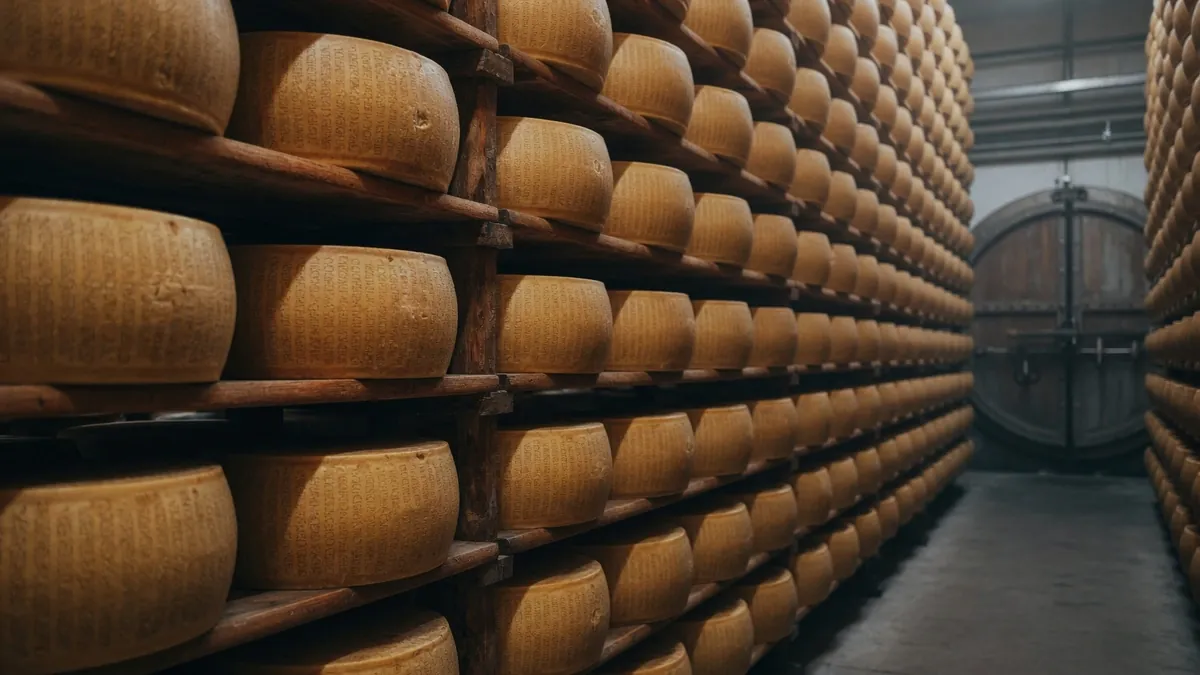
When a cheesemaker finishes their work, the resulting product is a rubbery, bland block of coagulated milk protein. The magic—the development of nutty, sharp, caramel, or earthy flavors—does not happen in the vat. It happens in the cave. This transformative maturation process is known as affinage, and the professionals who dedicate their lives to managing this controlled decay are known as affineurs. It is equal parts microbiology and artistry.
The Triad of Maturation: Enzymes, Moisture, and Microbes
Aging cheese is not simply a matter of putting it in a refrigerator and waiting. An aging cave (or modern climate-controlled facility) is a highly active biological environment. The affineur must obsessively manipulate three variables:
- Moisture Evaporation: As a cheese ages, it loses water. A wheel of Parmigiano-Reggiano can lose up to 10% of its weight over two years. This evaporation concentrates the fats and proteins, intensifying the flavor and hardening the texture.
- Enzymatic Breakdown (Proteolysis): Enzymes from the rennet and native bacteria act like molecular scissors, snipping the long, tasteless casein protein chains into smaller, highly flavorful amino acids. This is what gives aged cheddar its "sharpness."
- Surface Flora: The rind of the cheese is a battlefield. The affineur actively cultivates specific molds (like Penicillium camemberti for Brie) or washes the rind in brine (for pungent cheeses like Époisses) to encourage the growth of Brevibacterium linens.
The Tyrosine Crunch
If you have ever eaten a premium aged Gouda, Cheddar, or Parmigiano-Reggiano, you have likely noticed delightful, crunchy crystals scattered throughout the paste. These are often mistakenly identified as salt crystals. They are, in fact, Tyrosine crystals.
As the enzymes break down the protein matrix over months or years, the amino acid tyrosine is released. Because tyrosine is not very soluble in the low-moisture environment of an aged cheese, it crystallizes into hard, crunchy clusters. To a cheese professional, the presence of heavy tyrosine crystallization is the ultimate hallmark of a perfectly executed, long-term affinage.
| Cheese Style | Aging Duration | Primary Affinage Technique |
|---|---|---|
| Brie / Camembert | 3 to 6 weeks | Sprayed with white mold spores; rapid surface ripening. |
| Gruyère / Comté | 6 to 24 months | Regularly brushed and flipped on spruce wood boards. |
| Parmigiano-Reggiano | 12 to 36 months | Extreme moisture loss; intense proteolysis (crystal formation). |
The Financial Risk of Time
Affinage is a massive financial gamble. A producer locks up thousands of liters of expensive milk in a wheel of cheese, pays to store it in a climate-controlled facility, and pays staff to manually brush and turn it weekly. They will not see a return on investment for two years. If a rogue mold infiltrates the cave, or the humidity drops too low and the rind cracks, the entire inventory is ruined. When you pay a premium for a 24-month aged cheese, you are paying for the time, space, and profound risk the affineur took to bring it to perfection.
Related: The Chemistry of Perfect Cheese Fondue | The Art of Cultured Butter: How to Make It at Home