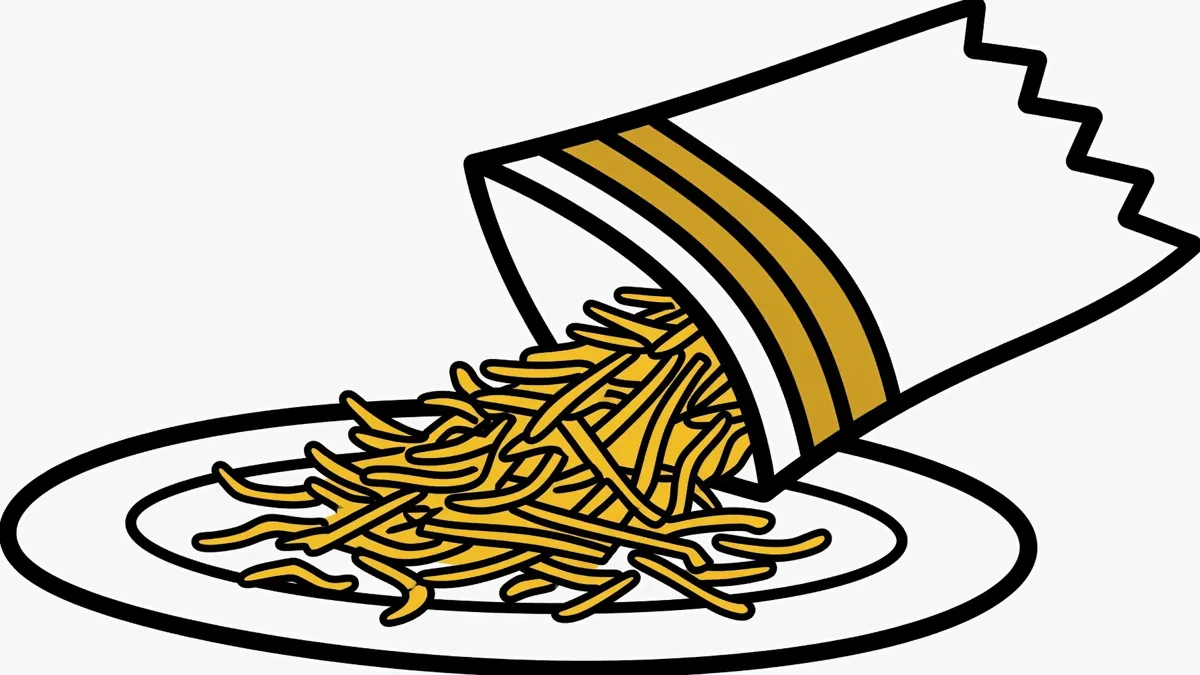
Grab a bag of pre-shredded cheese, tip a little into your hand, and look closely. Every strand is coated in a fine white powder. That powder has a job, and surprisingly often, it is made of wood. Not as a metaphor and not as a scandal-bait headline: real, purified wood fiber, ground to a powder and mixed into your cheese. It is legal, it is nearly everywhere, and it is mostly harmless. But there is a genuine scandal hiding inside the story, and it is not the part you would expect.
Why shredded cheese is a problem in the first place
Cheese is essentially fat and protein holding on to a lot of water. When you shred a block, you expose dozens of fresh, sticky, slightly damp faces, and they all want to do the same thing: clump back together. Leave loose shreds in a warm bag and they fuse into one sad little brick. Worse, the trapped surface moisture is an open invitation for mold. So manufacturers need something cheap that will coat each strand, soak up that moisture, and keep the cheese pouring freely. The answer the industry landed on is powdered cellulose.
What cellulose actually is (and where it comes from)
Cellulose is plant fiber — the rigid material that lets a plant stand up. It is the most abundant organic building block on Earth, and it is in every vegetable you have ever eaten. The food-grade powder version, though, is usually made from one cheap and plentiful source: wood pulp, the same raw material we turn into paper. (Cotton is sometimes used instead.) To make it, mills strip the wood down to pure alpha-cellulose, then wash, grind and sieve it into a tasteless, odorless white powder. Dust that over fresh shreds and the clumping problem simply disappears.
Why "you can't digest it" is good news
Here is the part that sounds gross but is actually reassuring: your body has no enzyme to break cellulose down, so it passes straight through you, untouched. That is the literal definition of dietary fiber, which is why regulators let companies count cellulose as fiber on the label. It is classified as "generally recognized as safe," and it quietly turns up in bread, ice cream and sauces too. In the United States, the rough rule of thumb is up to about four percent cellulose in shredded cheese — just enough to keep it flowing. So far, so boring: a safe powder that happens to come from a tree.
Then, in 2016, it became a scandal
That quiet little additive blew up when a news investigation sent grocery-store "Parmesan" off to a laboratory. The results were cheesy in the worst way. Several grated products were carrying far more cellulose than "a light dusting" could excuse — reportedly around eight to nine percent in one store brand, near eight in a big-box brand, and close to four even in a famous national name. The "tiny anti-caking sprinkle" had quietly graduated into filler. (Treat the exact figures as ballpark; they vary by sample and year.)
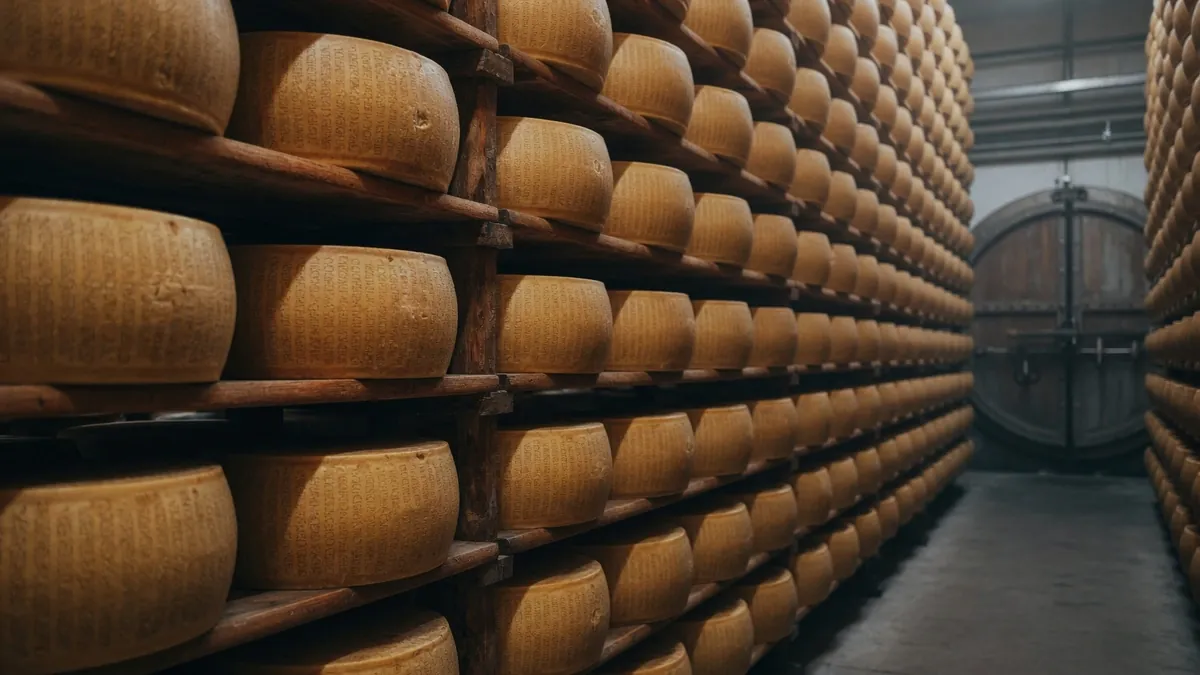
And then investigators found the case that broke the whole thing open. A company called Castle Cheese was selling tubs proudly labelled "100% real Parmesan." A lab found something missing from the 100% Parmesan: the Parmesan. It was a blend of cheaper cheeses — Swiss, mozzarella, white cheddar — plus cellulose filler, with no real Parmesan at all. That was the turning point of the whole saga. The wood was no longer keeping cheese apart; it was pretending to be the cheese. This is where it stopped being food science and became fraud, and the law treated it that way: federal charges, class-action lawsuits, and a company president facing prison time.
So should you worry?
Honestly, no. A few percent of food-grade cellulose is safe, legal, and basically just fiber. The real costs are quieter. Coated shreds melt grainier, never quite as silky as a fresh-grated block. And "one hundred percent" really should mean one hundred percent — which is exactly why some brands now skip the wood entirely or switch to potato starch. The best fix is gloriously old-fashioned: buy a solid block and grate it yourself. A little more effort, a lot more flavour, and zero percent tree.
Sources and further reading
- Bloomberg News (2016) — commissioned lab testing of cellulose content in grated "Parmesan."
- Food Safety News — "Pulp fiction and fact: Wood, cellulose and Parmesan cheese" (the Castle Cheese case and FDA action).
- U.S. FDA — powdered cellulose "generally recognized as safe" status and dietary-fiber classification.
- Reporting on the Castle Cheese Inc. "100% Parmesan" fraud and resulting lawsuits and charges.
Note: cellulose is safe at food levels and the percentages cited vary by brand, sample and year, so treat them as ballpark figures. The villain in this story is mislabeling, not the additive. This is food-science storytelling, not health advice.
Milkiry — the science of milk, the craft of cheese, and the food behind it. Watch the episode and subscribe.