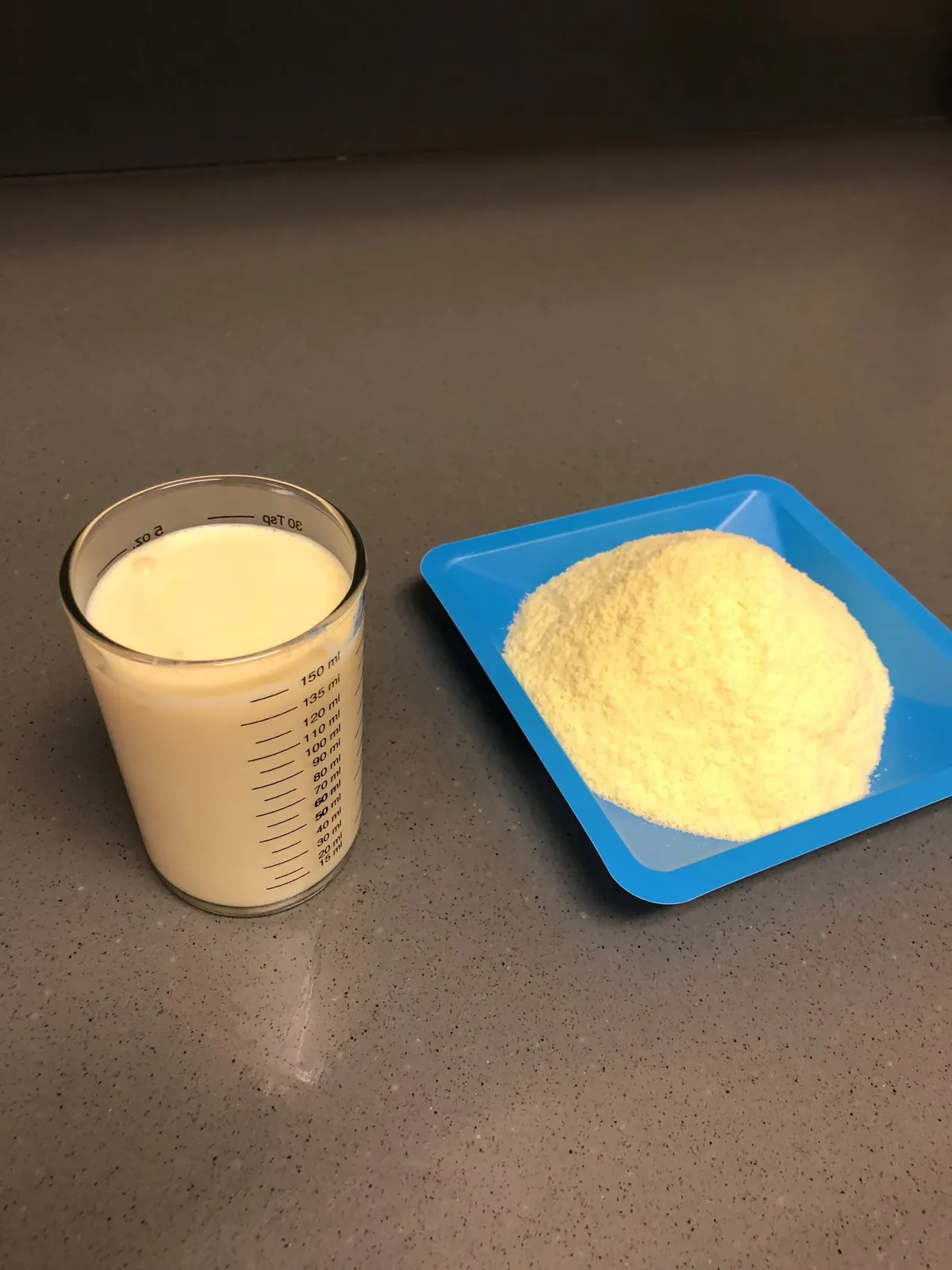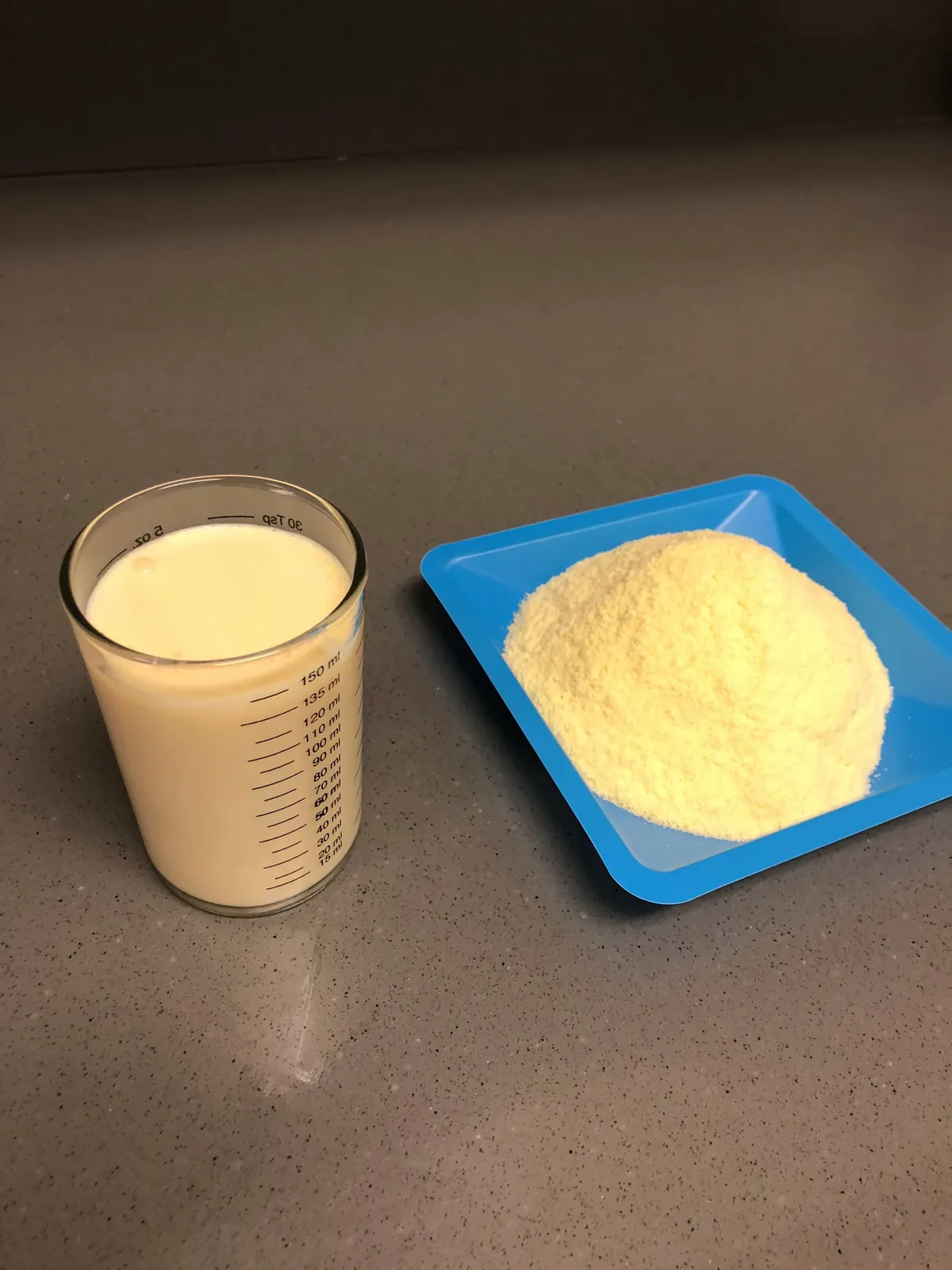
Bovine colostrum has established itself as a credible oral supplement for gut health and immune support, but a distinct and more recent application is emerging in topical skincare. Several bioactive compounds present in high concentrations in colostrum, particularly epidermal growth factor (EGF), insulin-like growth factor 1 (IGF-1), transforming growth factor-beta (TGF-beta), and lactoferrin, have specific biological activities relevant to skin repair, collagen synthesis, inflammation control, and antimicrobial defence. Early clinical trials have produced promising but limited results, a small number of specialist brands have moved from concept to commercial product, and dermatologists and formulators are actively debating both the efficacy and the formulation challenges. This post examines the science behind each bioactive, the published clinical evidence, and the honest limitations that any informed buyer should understand before paying £60 to £200 for a colostrum serum.
The Key Bioactives and What They Do in Skin
Epidermal Growth Factor (EGF)
EGF is a 53-amino-acid protein that binds to the EGF receptor (EGFR) on keratinocytes (the primary cells of the skin's outer layer) and fibroblasts (the cells in the dermis that produce collagen and elastin). Binding triggers a cascade of intracellular signalling that promotes cell proliferation, migration, and survival. In skin biology, this translates to faster wound healing, enhanced keratinocyte turnover, and stimulation of new collagen and hyaluronic acid synthesis by fibroblasts. The concentrations of EGF in bovine colostrum are approximately 100 to 500 times higher than in mature cow's milk, making colostrum the most practical natural source for topical formulations.
IGF-1
IGF-1 (insulin-like growth factor 1) is a 70-amino-acid protein that promotes fibroblast activity and collagen synthesis in the dermis. In vitro studies (cell culture experiments) have consistently shown that IGF-1 increases type I collagen gene expression in human dermal fibroblasts. In the context of ageing skin, where collagen production declines by approximately 1 percent per year from age 25, a topically delivered signal that upregulates collagen synthesis is mechanistically attractive.
Transforming Growth Factor-Beta (TGF-beta)
TGF-beta has a complex, context-dependent role in skin. It regulates inflammatory responses (suppressing excessive inflammation while still permitting normal immune function), promotes the migration of fibroblasts into wound sites, and stimulates extracellular matrix deposition including collagen and fibronectin. In chronic inflammatory skin conditions such as rosacea and post-inflammatory hyperpigmentation, TGF-beta's anti-inflammatory signalling is particularly relevant.
Lactoferrin
Lactoferrin is an iron-binding glycoprotein present in both human and bovine colostrum at high concentrations. It has well-documented antimicrobial activity against Cutibacterium acnes (formerly Propionibacterium acnes), the bacterium central to acne development, through a combination of iron sequestration (depriving the bacteria of an essential nutrient), direct membrane disruption, and modulation of the inflammatory response to bacterial colonisation. Unlike topical antibiotics, lactoferrin acts through multiple mechanisms simultaneously, which reduces the likelihood of resistance development.
The Published Clinical Evidence
Wrinkle Reduction: The 2020 Trial
A 2020 double-blind, placebo-controlled trial published in Skin Pharmacology and Physiology enrolled 40 female participants aged 40 to 60 with moderate facial wrinkles. Participants applied either a bovine colostrum cream (containing standardised EGF and IGF-1 at concentrations derived from ultrafiltration of first-milking colostrum) or a matched placebo cream twice daily for 12 weeks. At week 12, the colostrum group showed a mean reduction in wrinkle depth of 18 percent (measured by optical profilometry), compared to 6 percent in the placebo group. The difference was statistically significant (p=0.007). Secondary endpoints including skin hydration and elasticity also improved more in the colostrum group, though the differences were smaller in magnitude.
The study's limitations are worth noting: 40 participants is a small sample size, the 12-week duration does not capture long-term effects or safety, and the study was funded by a company with commercial interest in colostrum ingredients. Independent replication in a larger trial is needed before this result can be considered conclusive.
Lactoferrin and Acne: The 2021 Trial
A 2021 randomised controlled trial in the Journal of Cosmetic Dermatology enrolled 60 participants with mild to moderate facial acne. The treatment group applied a topical gel containing 1 percent bovine lactoferrin twice daily for 8 weeks. At week 8, the lactoferrin group showed a statistically significant reduction in Cutibacterium acnes colony counts compared to baseline and to placebo (p less than 0.01), along with a reduction in inflammatory lesion count. The authors noted that the antimicrobial effect was comparable to 1 percent topical clindamycin in lesion count reduction, without the associated antibiotic resistance concerns.
The Formulation Challenge: Can Growth Factors Penetrate the Skin?
The most significant scientific debate around topical growth factors, including EGF and IGF-1 from colostrum, is whether they can penetrate the stratum corneum (the skin's outermost barrier layer) at concentrations sufficient to reach their target receptors in viable keratinocytes and dermal fibroblasts. EGF has a molecular weight of approximately 6,200 daltons. The generally accepted rule in dermatology is that molecules above 500 daltons do not penetrate intact stratum corneum effectively by passive diffusion. By this standard, EGF molecules are too large to reach their receptors through topical application on intact skin.
Several responses to this objection exist in the scientific literature. First, the stratum corneum is not a perfect barrier; hair follicle channels and sweat gland ducts provide pathways through which larger molecules can reach the deeper epidermis. Second, some formulations use carrier systems (liposomes, nano-emulsions, and penetration enhancers) that improve transport of large molecules. Third, even surface-acting EGF that does not penetrate deeply may influence keratinocytes in the outermost living layers of the epidermis, which are within a few micrometres of the stratum corneum. The practical implication is that the magnitude of effect from topical colostrum is likely lower than what injection or intradermal delivery of the same growth factors would produce.
Brands Currently Using Colostrum in Skincare
MIMI, based in Copenhagen, produces a colostrum serum (the Colostrum Radiance Serum, priced at approximately £120 for 30ml) formulated with a liposomal delivery system designed to improve growth factor penetration. The brand positions itself at the premium functional skincare segment and has received attention in Vogue Scandinavia and Wallpaper* for its minimalist formulation philosophy.
Aseir Custom, a New Zealand brand, produces the Seraphim Blue colostrum peptide cream (approximately NZD $195 for 50ml). The formulation uses hydrolysed colostrum peptides rather than intact growth factors, which produces smaller molecular fragments (below 2,000 daltons) that may penetrate more effectively. The trade-off is that hydrolysed peptides may not trigger the same receptor-binding activity as intact EGF or IGF-1.
Skin Laundry incorporates colostrum into its facial treatment formulations, primarily targeting the professional treatment market in the United States and United Kingdom. Their Colostrum Facial uses a combination of topical colostrum and LED light therapy, with the rationale that the photothermal disruption of the stratum corneum during treatment temporarily increases permeability, improving growth factor penetration.
The Regulatory Dimension
Topical EGF occupies an interesting regulatory grey zone. In most markets (European Union, United Kingdom, United States, Australia), it is classified as a cosmetic ingredient because it is marketed on the basis of appearance effects rather than structural alteration of skin biology. This means no clinical trial data is required for approval, and manufacturers can make broad "anti-ageing" claims without the regulatory scrutiny applied to pharmaceutical products.
South Korea is the notable exception: the Korean Ministry of Food and Drug Safety classified topical EGF as a functional cosmetic ingredient (a category between cosmetic and pharmaceutical) in 2008, requiring evidence of efficacy and safety for products containing it above specified concentrations. South Korea was therefore the first regulatory market in the world to formally acknowledge topical EGF as biologically active. Several Korean skincare brands (AHC, Dr. Jart+) have been selling EGF-containing products under this framework for over a decade, with a larger accumulated safety dataset than exists for Western colostrum skincare brands.
An Honest Assessment
The scientific rationale for topical bovine colostrum in skincare is mechanistically coherent: the bioactives are real, their biological activities in skin are documented in vitro and in some cases in vivo, and the 2020 wrinkle reduction trial and 2021 lactoferrin trial provide early but genuine clinical support. The formulation challenges around penetration are real and not yet fully solved, meaning the clinical effect size is likely smaller than what would be achieved with pharmaceutical delivery of the same compounds. The published trial base is small, and most studies to date are short-term. At £60 to £200 per product, the cost premium over well-evidenced conventional actives (retinol, vitamin C, niacinamide, peptides) requires a consumer to weigh early-stage innovation against established long-term data. For consumers who find conventional actives inadequate or who are excited by evidence-backed emerging ingredients, colostrum skincare represents a scientifically grounded if not yet fully proven option.
Related: Bovine Colostrum Supplements: The Complete Guide | Dairy and Skin Health: Acne, Eczema, and the Dermatology Research