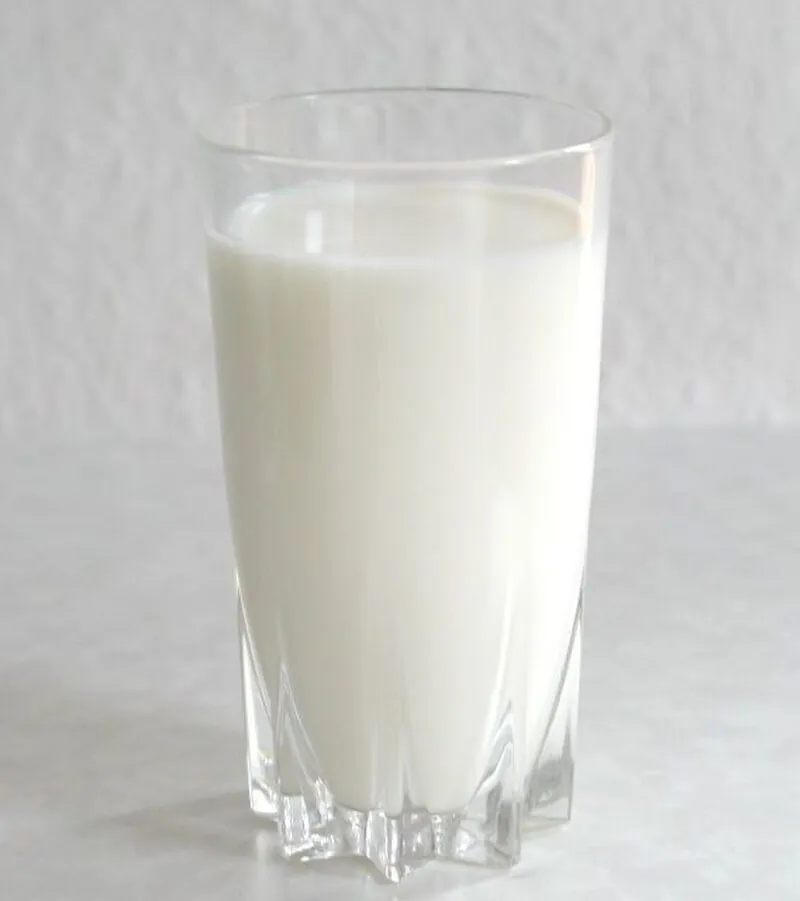
The glass of warm milk before bed is one of the most persistent pieces of folk wisdom in food culture, appearing in parenting guides, novels, and television commercials across generations and cultures. It is recommended by grandmothers, paediatricians, and sleep hygiene writers with roughly equal confidence. What is less clear is whether the advice has a rigorous scientific basis. The answer, as with most nutrition and sleep questions, is: more than folklore but less than pharmaceutical certainty. Several distinct mechanisms link dairy consumption to sleep quality, and examining each of them reveals a more nuanced picture than either enthusiastic tradition or dismissive scepticism suggests.
The Tryptophan Hypothesis
The most commonly cited mechanism for dairy's sleep effects is tryptophan, an essential amino acid abundant in milk and dairy products. Tryptophan is the dietary precursor to serotonin and melatonin, both of which play central roles in sleep regulation. The biosynthetic pathway goes: dietary tryptophan → 5-hydroxytryptophan (5-HTP) via tryptophan hydroxylase → serotonin → melatonin (in the pineal gland, in the presence of darkness).
Cow's milk contains approximately 46 mg of tryptophan per 100 mL. A 250 mL glass of whole milk provides about 115 mg of tryptophan. By comparison, a 100-gram serving of turkey breast (the food most commonly associated with tryptophan in popular culture) provides approximately 290 mg. A 100-gram serving of pumpkin seeds provides approximately 570 mg. Milk is a moderate tryptophan source, not an especially high one.
The pharmacokinetic complication is that tryptophan competes with other large neutral amino acids (LNAAs), including leucine, isoleucine, valine, phenylalanine, and tyrosine, for transport across the blood-brain barrier via the same carrier protein. Tryptophan's entry into the brain is therefore not determined solely by its absolute plasma concentration but by its ratio to competing amino acids (the tryptophan ratio or Trp/LNAA ratio). Milk contains all essential amino acids including the competing ones, so a glass of milk does not necessarily produce a large increase in central tryptophan availability because the competing amino acids rise simultaneously.
The insulin response to carbohydrate is the key to resolving this. Insulin promotes uptake of branched-chain amino acids (leucine, isoleucine, valine) into muscle, reducing their plasma concentration and thus increasing tryptophan's relative share at the blood-brain barrier. This is why the classic sleep-promoting food combination is carbohydrate plus tryptophan, not tryptophan alone. A glass of warm milk with a small amount of honey or paired with a few crackers produces an insulin response that may meaningfully increase brain tryptophan availability. Research by Wurtman and colleagues at MIT in the 1970s and 1980s established this carbohydrate-tryptophan mechanism, forming the scientific basis for recommendations about carbohydrate-rich bedtime snacks for sleep.
Melatonin in Milk
Beyond tryptophan, dairy contains small but measurable quantities of melatonin itself. Melatonin is synthesised in the pineal gland of cows and secreted into the bloodstream, where it can pass into milk. The melatonin content of cow's milk varies substantially depending on the time of milking. Cows milked at night (when their own melatonin secretion is highest) produce milk containing significantly more melatonin than cows milked during daylight hours. Studies by Valtonen and colleagues, published in the European Journal of Nutrition in 2005, found that night-harvested milk (collected between 2 and 4 AM) had melatonin concentrations approximately 25 times higher than day-collected milk.
Commercially, this finding has been commercialised in products marketed as "night milk" (Nachtmilch in German). German producer Milchkristalle and other European dairy companies have marketed melatonin-rich night milk as a functional sleep product. A 2014 randomised controlled trial by Valtonen and colleagues in Nutritional Neuroscience found that consumption of night milk enriched in tryptophan and melatonin improved sleep quality and anxiety scores in elderly adults compared with regular milk. However, the milk in this study was further fortified with tryptophan beyond natural levels, making it difficult to attribute effects solely to natural melatonin content.
Standard commercially sold milk does not distinguish between day and night milking; it is pooled and processed across multiple milkings. The melatonin content of standard commercial cow's milk is typically 5 to 15 picograms per mL, which is extremely low compared with therapeutic melatonin supplement doses (typically 0.5 to 3 milligrams, or 500,000 to 3,000,000 picograms). From this perspective, the melatonin in a glass of milk contributes negligibly to melatonin availability relative to supplement doses, though whether even very small doses of exogenous melatonin can have signalling effects remains an active area of research.
Glycine: A Dairy Amino Acid with Sleep Evidence
Less popularly known than tryptophan, glycine is an amino acid that has emerged as one of the more interesting nutritional sleep interventions in recent research. Glycine is found in dairy products, particularly in casein protein, which has a relatively high glycine content compared with whey protein. Glycine functions as an inhibitory neurotransmitter in the spinal cord and brainstem and has multiple effects relevant to sleep: it promotes peripheral vasodilation (which facilitates the drop in core body temperature that is necessary for sleep onset); it modulates activity of the NMDA receptor; and it acts on central sleep regulatory circuits.
A randomised crossover trial by Bannai and colleagues published in Sleep and Biological Rhythms in 2012 and a follow-up study in Neuropsychopharmacology found that supplemental glycine (3 grams, taken before bed) improved subjective sleep quality, reduced daytime sleepiness, and improved cognitive performance on a psychomotor vigilance test the following morning compared with placebo. The proposed mechanism is glycine-induced reduction of core body temperature: subjects given glycine showed greater skin blood flow and faster reduction in rectal temperature, consistent with the thermoregulatory model of sleep onset.
A serving of casein protein (25 grams of casein protein isolate) provides approximately 0.5 to 1 gram of glycine. A glass of whole milk provides roughly 50 to 70 mg of glycine. These levels are below the 3-gram dose used in Bannai's trials. However, regular dietary glycine intake from multiple dairy and protein sources across the day contributes to total glycine status, and some researchers suggest that chronic sub-optimal glycine intake (given that it can be limiting for collagen synthesis in people with high protein turnover) might contribute to sleep quality issues in some populations.
Casein Protein and Overnight Recovery
A separate but related benefit of dairy consumption before bed involves casein protein's well-established role in overnight muscle protein synthesis. Casein is a slow-digesting protein that forms a gel in the stomach's acidic environment, releasing amino acids steadily over six to eight hours. A 2012 study by Res and colleagues published in Medicine and Science in Sports and Exercise showed that 40 grams of casein protein consumed 30 minutes before sleep significantly increased overnight muscle protein synthesis rates in young men who had exercised earlier in the day.
The sleep connection is indirect but real: overnight muscle repair requires amino acid delivery, and the delivery of amino acids also maintains tryptophan availability through the night. Furthermore, the gradual protein digestion from casein avoids the insulin spike that would occur with a fast-digesting protein or pure carbohydrate snack, potentially reducing the risk of reactive hypoglycaemia that can disrupt sleep in the early morning hours.
The Warm Temperature Factor
Does warmth matter, or is it the dairy itself? Both may play a role, though through different mechanisms. Core body temperature must drop by approximately 1 to 1.5 degrees Celsius for normal sleep onset to occur; this drop is achieved partly through peripheral vasodilation that dissipates heat from the skin. Warm liquids consumed close to bedtime initially raise peripheral blood flow and can accelerate the subsequent core temperature drop. A 2000 study by Raymann and colleagues in Brain found that mild peripheral warming of the skin significantly improved sleep onset in older adults with sleep difficulties, consistent with the thermoregulatory model.
The sensory and psychological effects of warm liquids should not be entirely dismissed. Warmth, mild sweetness, and a familiar food ritual trigger a conditioned relaxation response in many people, particularly those who have associated warm milk with safety and sleep since childhood. The placebo component of sleep interventions can itself be substantial; a 2014 meta-analysis in PLOS ONE found that expectation effects account for a meaningful proportion of treatment response in insomnia trials even for active pharmacological agents.
Fermented Dairy and Sleep
Kefir and yogurt may offer additional sleep-relevant effects through their impact on the gut microbiome. The gut-brain axis, the bidirectional communication system between the enteric nervous system and the central nervous system, is an active area of sleep research. Probiotic supplementation has been studied in several sleep trials with mixed but generally positive results for subjective sleep quality. A 2019 randomised controlled trial by Smith and colleagues in PLOS ONE found that a four-week probiotic intervention (Lactobacillus rhamnosus and Bifidobacterium longum) improved sleep efficiency and reduced waking after sleep onset in healthy adults with mildly disturbed sleep.
The mechanisms proposed include probiotic modulation of serotonin production in gut enterochromaffin cells (approximately 90 percent of the body's serotonin is produced in the gut), reduced intestinal permeability decreasing inflammatory signalling, and direct production of gamma-aminobutyric acid (GABA) by some Lactobacillus strains. Kefir, in particular, contains a diverse microbiome including strains with documented GABA production. Whether the probiotic content of a standard commercial yogurt or kefir product is sufficient to meaningfully replicate these effects in practice remains unclear; the doses and strains in probiotic intervention trials are often higher or more specific than those in typical food products.
What the Evidence Supports in Practice
Synthesising the available evidence, several practical conclusions emerge. A glass of warm dairy milk (whole milk for maximum tryptophan and fat) consumed 30 to 60 minutes before bed, ideally paired with a small carbohydrate source, is a physiologically plausible sleep aid via tryptophan and melatonin mechanisms, warm-liquid thermoregulation, and psychological ritual. The effect size is likely modest compared with pharmaceutical sleep aids but meaningful for people with mild sleep difficulties.
Casein protein (25 to 40 grams) before bed has better evidence for overnight muscle protein synthesis than for sleep quality per se, but the slow-release amino acid delivery may stabilise blood glucose and maintain tryptophan availability through the night, potentially contributing to sleep maintenance rather than just onset.
Fermented dairy (yogurt, kefir) consumed regularly rather than just before bed may support sleep over weeks and months through gut microbiome modulation, an effect distinct from the immediate tryptophan-melatonin pathway.
None of these effects is a reliable treatment for clinical insomnia, sleep apnoea, or other sleep disorders, which require medical evaluation. For situational or mild sleep difficulties, dairy as part of a broader sleep hygiene routine (consistent bed and wake times, dark and cool bedroom, reduced screen light before bed, limited caffeine after noon) is a reasonable and low-risk addition.
Who Should Be Cautious
People with lactose intolerance should be aware that consuming dairy before bed risks triggering gastrointestinal discomfort that would interfere with sleep rather than promote it. Lactase enzyme tablets taken simultaneously, or choosing low-lactose dairy (hard aged cheeses, lactose-free milk, kefir), addresses this concern. People with cow's milk protein allergy should avoid dairy entirely regardless of the sleep benefits claimed. Those on high-protein diets should account for the caloric contribution of a casein shake before bed, particularly if managing body weight.
Related: Casein Protein: Everything You Need to Know | Kefir: Health Benefits and How to Use It | Dairy and Gut Health: The Microbiome Connection