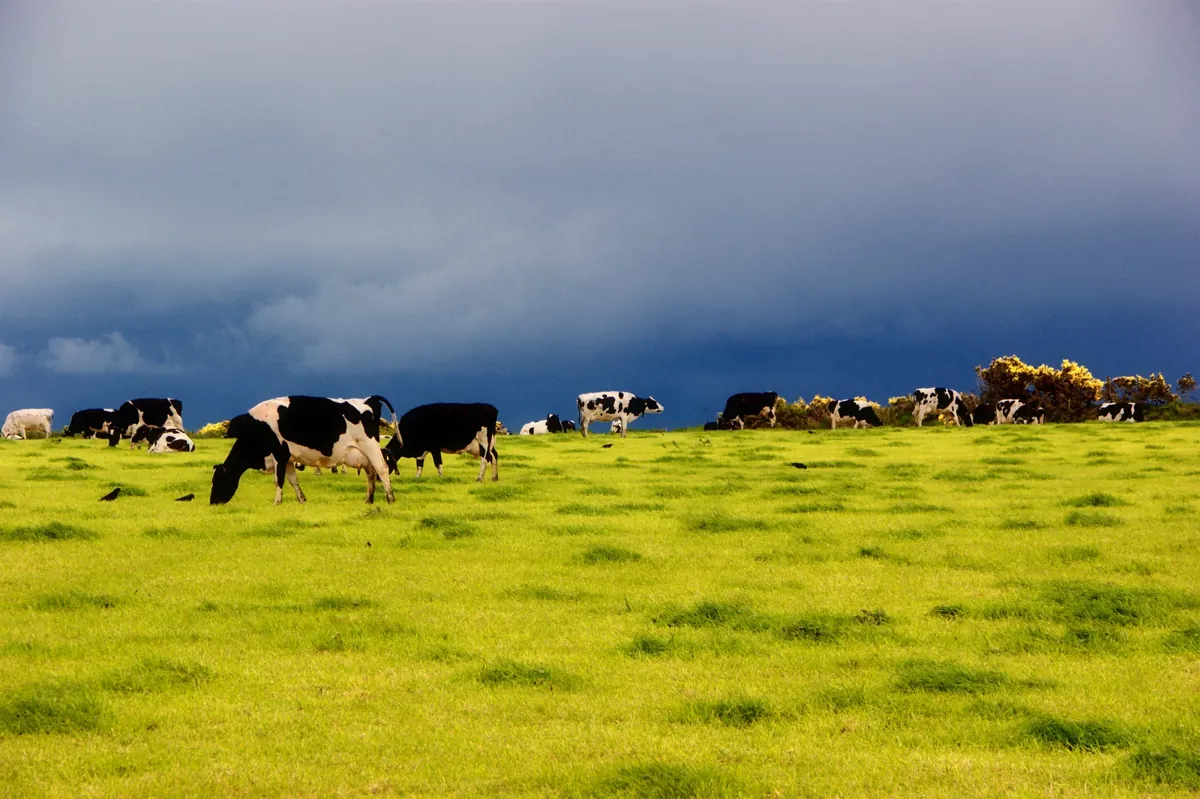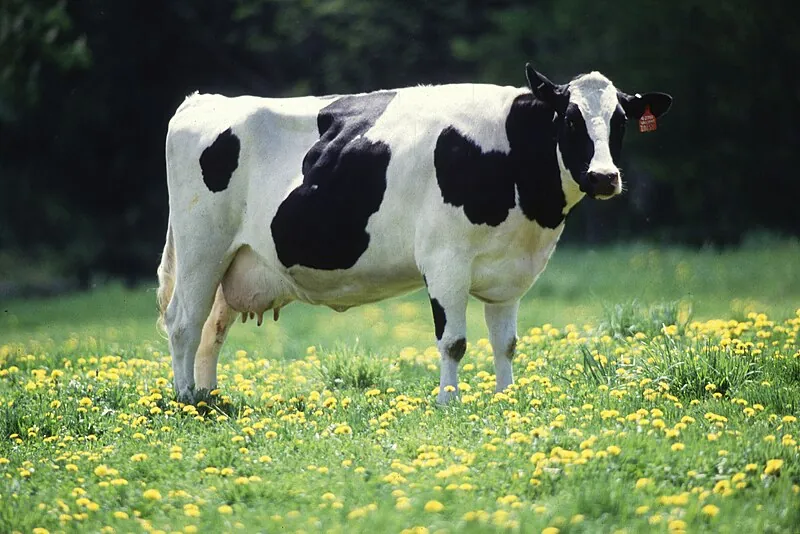
The grass-fed dairy marketing category has expanded rapidly in the past decade, driven by consumer interest in both nutritional differences and animal welfare. The nutritional claims for grass-fed dairy (higher omega-3 fatty acids, higher conjugated linoleic acid (CLA), higher vitamin K2, higher beta-carotene) are generally accurate; the question is whether the differences are large enough to be clinically meaningful in the context of a typical diet, and whether "grass-fed" labelling means what consumers assume it means across different certification standards. Grass-fed dairy is meaningfully nutritionally different from conventional grain-fed dairy; the magnitude of that difference depends on the specific nutrient and the proportion of grass in the animal's diet.
What "Grass-Fed" Actually Means
No single universal standard defines "grass-fed" for dairy, and different certification bodies apply significantly different criteria:
- UK Pasture Promise (Logo: cow on grass): Requires that cows graze on pasture for a minimum of 180 days per year and that at least 60% of annual diet (by dry matter) comes from pasture or dried grass (hay, silage). Administered by the UK Pasture-Fed Livestock Association (PFLA). This is the most rigorous UK standard for grass-fed claims. Products: some independent UK dairy brands and Organic farmers who seek additional certification.
- Organic certification (Soil Association, OF&G): Requires outdoor access during the grazing season but does not mandate a specific percentage of grass in the diet or a minimum number of grazing days. Organic production also prohibits synthetic pesticides, GMO feed, and restricts antibiotic use. Many organic dairy cows are effectively grass-fed, but not all organic products meet the Pasture Promise standard.
- USDA Grass-Fed (US standard): Requires that cattle are raised solely on grass and forage throughout their lifetime, with no grain supplementation after weaning. More restrictive than most UK standards in prohibiting any grain. Most notable grass-fed US dairy brands (Organic Valley Grassmilk, Maple Hill Creamery) use this standard.
- Kerrygold (Ireland): Not formally "grass-fed certified" by a third party, but Irish dairy regulations and farming practice result in Irish dairy cows spending approximately 300 days per year on pasture. Kerrygold is the world's second best-selling butter brand in the US (after Land O'Lakes) and is widely cited in discussions of grass-fed butter due to its naturally higher beta-carotene content (visible in the deeper yellow colour).
Nutritional Differences: What the Research Shows
Omega-3 Fatty Acids
This is the most consistently documented nutritional difference. A 2016 study in the British Journal of Nutrition (Benbrook et al., covering 170 published studies) found that organic milk (predominantly grass-fed) had approximately 56% more omega-3 fatty acids than conventional milk, with similar findings in a separate analysis specifically comparing grass-fed versus grain-fed dairy. The ALA (alpha-linolenic acid, the plant form of omega-3) is particularly elevated in grass-fed dairy; EPA and DHA (the more bioavailable long-chain omega-3s found in fish) are present but at lower levels. The absolute quantity of omega-3 in dairy remains modest compared to oily fish (a 240ml glass of grass-fed whole milk contains approximately 80mg of ALA; a 100g portion of mackerel contains approximately 2,500mg of EPA and DHA combined).
Conjugated Linoleic Acid (CLA)
CLA (a naturally occurring trans fat formed in the digestive system of ruminants, distinct from industrial trans fats) is found at higher concentrations in grass-fed dairy: 300% to 500% higher CLA in grass-fed versus grain-fed dairy in multiple studies. CLA has been associated in animal studies and some human studies with anti-cancer properties, reduced body fat, and improved insulin sensitivity, but the clinical evidence in humans is inconsistent and the doses required to see effects in human trials are higher than typical dairy consumption provides.
Beta-Carotene and Vitamin K2
Beta-carotene (the precursor to vitamin A, responsible for the yellow-orange colour of fat in grass-fed dairy) is significantly higher in grass-fed milk and butter. The deeper yellow colour of Kerrygold butter and high-welfare organic butter relative to standard white butter directly reflects this difference. Vitamin K2 (menaquinone MK-4), associated with cardiovascular protection and bone health, is higher in dairy from grass-fed animals, particularly in aged cheeses.
Animal Welfare Dimension
The welfare case for grass-fed dairy is arguably stronger than the nutritional case. Dairy cows on pasture exhibit natural grazing behaviour, have lower rates of lameness (associated with concrete flooring in confinement systems), lower clinical mastitis rates (correlated with lower antibiotic use), and better psychological welfare indicators than cows in fully confinement systems. The UK has higher baseline welfare standards for dairy cattle than the United States (outdoor access is common on UK farms even without grass-fed certification), making the welfare premium from UK grass-fed certification smaller than the equivalent in markets where confinement feeding is the norm.
Is the Premium Worth It?
Grass-fed dairy products in UK supermarkets cost approximately 20% to 50% more than conventional equivalents. The nutritional differences are real but modest in their clinical significance for most people eating varied diets. The worthwhile cases for paying the premium:
- For people with low oily fish consumption, the higher omega-3 in grass-fed dairy contributes meaningfully to otherwise low dietary omega-3 intake
- Butter: the nutritional and flavour differences between grass-fed butter (Kerrygold, Organic Rodda's, Lewis Road Creamery) and standard supermarket butter are most apparent in the butter category, both in beta-carotene content and in flavour complexity from the more varied fatty acid profile
- For consumers who prioritise animal welfare above nutritional argument, the welfare case is clear and grass-fed certification provides meaningful assurance
- For people who consume large quantities of dairy (3+ servings per day), the difference in omega-3 and CLA accumulates to a more significant dietary contribution than for moderate consumers
Related: Organic Dairy Farming: What It Means for Nutrition and Animal Welfare | Dairy and Bone Health: Calcium, Osteoporosis, and What the Research Shows