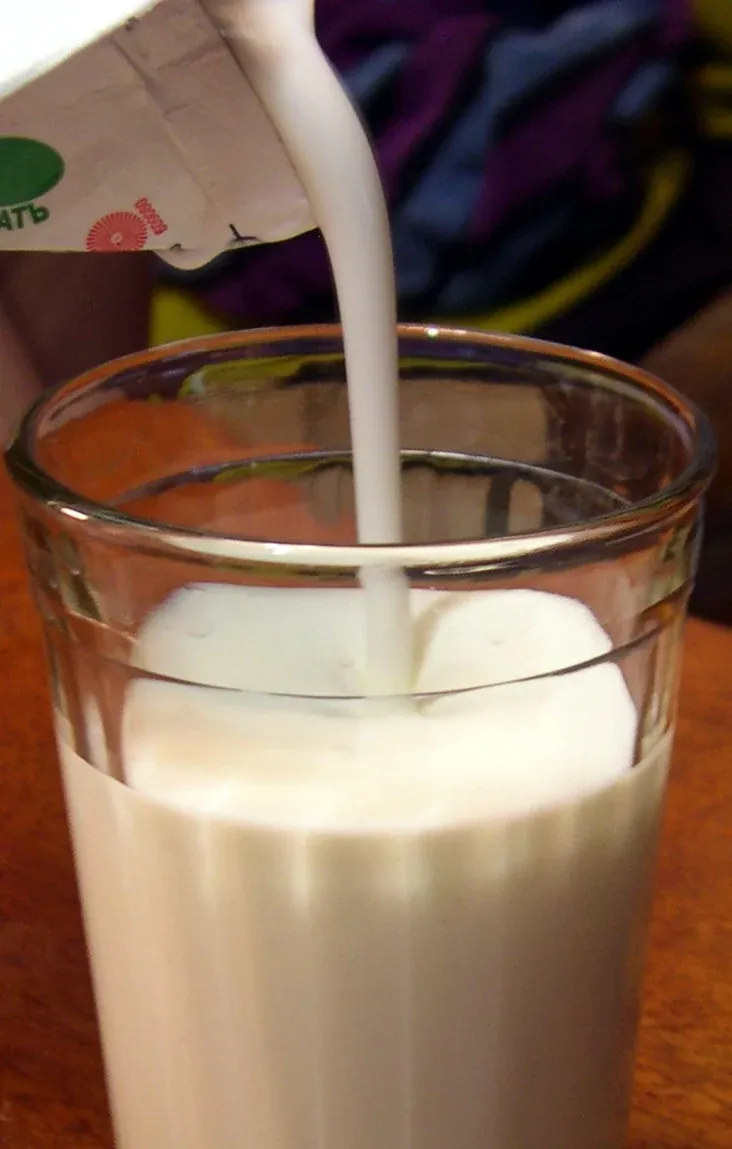
Kefir is among the most microbiologically complex fermented foods consumed by humans. Unlike yogurt, which is typically fermented by one or two defined bacterial strains under controlled industrial conditions, traditional kefir is produced by a self-perpetuating culture community called kefir grains, which contain dozens of bacterial and yeast species living in a symbiotic consortium held together by an extracellular polysaccharide matrix. The result is a fermented drink with a microbial diversity that exceeds most other fermented dairy products and a nutritional and functional profile that has attracted sustained attention from food scientists, microbiologists, and clinical researchers. This post goes beyond the basics to explore the science of the grains, the meaningful differences between milk kefir and water kefir, and the landmark 2021 Cell paper by Wastyk and colleagues that placed fermented foods (including kefir) at the centre of current microbiome research.
The Science of Kefir Grains
Kefir grains are not "grains" in the botanical sense. They are irregular, cauliflower-shaped clusters, typically 0.3 to 3.5 centimetres in diameter, consisting of a polysaccharide matrix called kefiran (composed of glucose and galactose in roughly equal proportions) produced by Lactobacillus kefiranofaciens and related bacteria, within which an extraordinarily diverse community of microorganisms is embedded. A comprehensive metagenomic analysis published in 2014 in the journal Systematic and Applied Microbiology by Moreira and colleagues identified more than 50 distinct microbial species in a single sample of Brazilian kefir grains.
The bacterial species consistently found in milk kefir grains include Lactobacillus kefiranofaciens, Lactobacillus kefiri, Lactococcus lactis, Leuconostoc mesenteroides, Lactobacillus acidophilus, and various acetobacteria. The yeast community (a defining feature that distinguishes kefir from yogurt) includes Kluyveromyces marxianus, Saccharomyces cerevisiae, Kazachstania unispora, Torulaspora delbrueckii, and Candida kefyr. This fungal-bacterial coexistence is stable and self-sustaining because the yeasts produce carbon dioxide (creating the slight effervescence characteristic of kefir), ethanol (which inhibits contaminant growth), and B-vitamins that feed the bacteria, while the bacteria produce lactic acid (lowering pH and further inhibiting contaminants) and kefiran matrix that physically houses the entire community.
The grain structure is self-replicating: each batch of fermentation causes the grains to grow by approximately 5 to 10 percent in mass per 24-hour cycle, allowing continuous sharing and propagation. This is why kefir grains can be passed between households and maintained indefinitely with minimal care, and why traditional kefir cultures in the Caucasus, where kefir originated (the word is from the Turkish "keyif," meaning good feeling), have been maintained for generations.
Milk Kefir: Fermentation Process and Composition
Milk kefir is produced by adding kefir grains (typically at 2 to 5 percent of the volume of milk by weight) to whole, semi-skimmed, or full-fat milk and incubating at room temperature (approximately 20 to 25 degrees Celsius) for 24 to 48 hours. During fermentation, the microbial community acidifies the milk through lactic acid production (reducing pH from approximately 6.7 to 4.2 to 4.6), partially breaks down lactose (reducing lactose content by 20 to 40 percent depending on fermentation time and grain activity), produces carbon dioxide and small amounts of ethanol (typically 0.5 to 2.5 percent), and releases dozens of bioactive peptides through proteolysis of milk proteins.
A 240 mL serving of full-fat milk kefir produced from whole milk typically contains approximately 160 to 170 kilocalories, 8 to 10 grams of protein, 8 to 9 grams of fat, 8 to 10 grams of carbohydrate (reduced from the approximately 12 grams of lactose in unfermented whole milk), and 300 milligrams of calcium. The microbial content of traditionally produced milk kefir ranges from approximately 10^7 to 10^9 colony-forming units (CFU) per millilitre, significantly higher than most commercial probiotic yogurts, which typically contain 10^6 to 10^7 CFU/mL.
Commercial kefir products sold in supermarkets (Lifeway in the United States, Biotiful in the UK, Fage in Greece) are produced using specific defined starter cultures rather than traditional grains, typically a blend of 10 to 12 lactobacillus and lactococcus strains without yeasts, to ensure consistency and controlled fermentation. These products are microbiologically different from grain-fermented kefir and contain fewer species, though they retain the characteristic tangy flavour and provide meaningful probiotic content. Lifeway Plain Whole Milk Kefir retails in US supermarkets at approximately 4.99 to 5.99 dollars per 32-ounce (946 mL) bottle and is the leading kefir brand in the United States with annual retail sales exceeding 250 million dollars as of 2023.
Water Kefir: A Dairy-Free Alternative with Distinct Properties
Water kefir (also called tibicos, sugar kefir, or Japanese water crystals) is produced by a different grain type adapted to sugar-water environments rather than milk. Water kefir grains are white, translucent, and more irregularly shaped than milk kefir grains. They ferment a solution of sugar dissolved in water (typically 5 to 8 percent sucrose by weight), often with the addition of dried fruit, lemon juice, or mineral-rich water to provide micronutrients for the grain microbiome.
The microbial composition of water kefir grains overlaps with but differs meaningfully from milk kefir grains. A 2013 metagenomic study by Laureys and De Vuyst published in Applied and Environmental Microbiology found that Lactobacillus hilgardii and Leuconostoc citreum were dominant bacteria in water kefir grains, with Saccharomyces cerevisiae var. chevalieri and Lachancea fermentati as the major yeasts. The matrix of water kefir grains is composed of dextran (a glucose polymer) rather than kefiran, reflecting the different microbial community and substrate.
Water kefir fermentation produces lactic acid, carbon dioxide, and small amounts of ethanol (typically 0.3 to 1.5 percent, lower than milk kefir) in 24 to 48 hours at room temperature. The finished beverage is slightly fizzy, mildly sweet-tart, and refreshing. It is dairy-free and vegan, making it the preferred option for people avoiding animal products who want a fermented probiotic drink. Nutritionally, water kefir provides negligible protein and fat; its primary contributions are live microorganisms, organic acids (lactic and acetic), B vitamins produced during fermentation, and small amounts of residual sugar (typically 3 to 5 percent if fermented for a standard time).
Water kefir grains are less commercially available than milk kefir grains and are primarily obtained through home fermentation communities and online suppliers such as Cultures for Health (US) or Kombuchery (EU). Expect to pay approximately 10 to 20 dollars or euros for a starter portion of grains sufficient to begin a sustained home fermentation practice.
The 2021 Cell Study: Fermented Foods, Microbiome Diversity, and Immune Function
The most influential recent scientific paper on fermented foods was published in Cell in July 2021 by Hannah Wastyk, Erica Sonnenburg, Justin Sonnenburg, and colleagues at Stanford University. The study, titled "Gut-microbiota-targeted diets modulate human immune status," enrolled 36 healthy adults in a randomised controlled crossover trial in which participants consumed either a high-fermented-food diet or a high-fibre diet for 10 weeks, then were assessed for changes in gut microbiome composition and immune marker profiles.
The high-fermented-food group consumed an average of 6.3 servings per day of fermented foods, including kefir, yogurt, fermented cottage cheese, kimchi, fermented vegetable brine drinks, and kombucha. This quantity was substantially higher than typical Western dietary fermented food intake. The high-fibre group consumed 45.1 grams of fibre per day from legumes, whole grains, fruits, and vegetables.
The key findings were striking. The high-fermented-food group showed a significant increase in gut microbiome diversity (alpha diversity as measured by Shannon index) over the 10-week period, while the high-fibre group showed no significant increase in diversity and in some individuals showed a decrease. Additionally, the fermented-food group showed a significant decrease in 19 inflammatory protein markers, including interleukin-17A, which is elevated in inflammatory conditions including rheumatoid arthritis and inflammatory bowel disease. The high-fibre group showed more variable immune changes, with some individuals showing increased inflammatory markers rather than decreased, particularly those who began the study with lower baseline gut microbiome diversity.
The authors interpreted these results as suggesting that fermented food consumption may be a more reliably effective strategy for increasing gut microbiome diversity than fibre intake alone, at least over a 10-week period. They proposed that established microbiome communities may have difficulty utilising new fibre substrates without first having sufficient microbial diversity to ferment them effectively. The study was widely covered in scientific and popular press and is considered one of the most important human dietary microbiome intervention studies published in the decade.
Kefir was the most frequently consumed fermented food in the high-fermented-food group in the Wastyk et al. study. While the study did not isolate kefir's individual contribution from other fermented foods consumed, the findings reinforce the broader evidence base for fermented dairy's role in supporting microbiome health.
Health Evidence for Kefir: What Is and Is Not Established
Kefir's health benefits are studied across several domains, with varying strength of evidence.
Established (Strong Evidence)
Reduced lactose malabsorption symptoms in people with lactose intolerance. The fermentation process reduces lactose content by 20 to 40 percent, and the microbial community provides substantial beta-galactosidase (lactase) activity in the intestine. A 2003 study by Hertzler and Clancy in the Journal of the American Dietetic Association found that kefir was significantly better tolerated by lactose-intolerant adults than milk and was superior to yogurt on most symptom measures, with breath hydrogen (a marker of colonic lactose fermentation) approximately 70 percent lower after kefir versus milk.
Promising (Moderate Evidence)
Blood pressure reduction. A 2016 systematic review by Crichton and colleagues in the Journal of Nutritional Science analysed 9 randomised controlled trials of kefir or fermented dairy and found a significant reduction in systolic blood pressure (approximately 3 to 5 mmHg) compared with non-fermented dairy or placebo, attributed partly to the angiotensin-converting enzyme (ACE) inhibitory peptides released during protein fermentation.
Glycaemic response improvement. A 2015 randomised crossover trial by Fathi and colleagues in the Iranian Journal of Public Health found that daily kefir consumption over 8 weeks reduced fasting blood glucose, HbA1c, and insulin resistance markers in adults with type 2 diabetes compared with conventional fermented milk.
Preliminary (Weak or Inconsistent Evidence)
Anti-inflammatory effects, cholesterol reduction, and immune modulation have been studied in animal models and small human trials with generally positive results, but few large, well-controlled human clinical trials exist. The Wastyk et al. 2021 Cell study addresses the immune modulation question more rigorously than previous work, but its generalisation requires replication.
How to Brew Milk Kefir at Home: Step-by-Step
Home fermentation of milk kefir is straightforward once you have active grains and requires minimal equipment.
Equipment
- A clean glass jar (1-litre capacity is practical)
- A non-metal sieve (stainless steel or plastic; avoid aluminium, which may react with lactic acid)
- A non-metal spoon or spatula for stirring
- Muslin cloth or a coffee filter and rubber band for covering the jar
Process
- Activate grains: If starting from dehydrated grains (purchased online or by mail), rehydrate by placing them in a small amount of whole milk at room temperature for 24 hours, discarding the milk, and repeating for 3 to 5 cycles until the milk ferments consistently. Active fresh grains from another fermentor do not require this step.
- Set up a fermentation batch: Place 1 to 2 tablespoons (15 to 30 grams) of active kefir grains in a clean glass jar. Add 500 mL of whole milk at room temperature (not cold from the refrigerator, as cold milk slows fermentation significantly). Cover with muslin secured with a rubber band; do not use an airtight lid, as carbon dioxide production will create pressure.
- Ferment at room temperature: Leave at 20 to 25 degrees Celsius for 24 to 48 hours. At 24 hours, the kefir will be milder and thinner; at 48 hours, it will be tangier, thicker, and more effervescent. Taste at 24 hours to gauge your preference. In summer or warm climates, 20 to 24 hours may be sufficient; in winter or cooler rooms, 36 to 48 hours may be needed.
- Strain and store: Pour the fermented kefir through a non-metal sieve, catching the grains. Transfer the kefir liquid to a sealed glass jar and refrigerate. It will keep for up to two weeks but is best consumed within 5 to 7 days.
- Feed the grains: Immediately place the strained grains into fresh milk for the next batch. Do not leave grains without milk for extended periods or they will begin to die back. If taking a break from brewing, store grains covered in fresh milk in the refrigerator for up to 2 weeks; for longer breaks, freeze in milk (grains survive freezing for several months).
Troubleshooting
- Kefir not thickening: Grains may need more activation cycles, or room temperature may be too cold. Try wrapping the jar in a tea towel to insulate.
- Very sour or alcoholic smell: Reduce fermentation time or grain-to-milk ratio. A 1:10 ratio of grains to milk (by weight) is a standard starting point.
- Pink or orange colouration: This indicates contamination, not the normal Brevibacterium of washed-rind cheeses. Discard and restart with a clean jar.
- Grains shrinking over time: Ensure the milk used is not ultra-pasteurised (UHT), which lacks some of the proteins and minerals that grains require. Use HTST-pasteurised or fresh raw milk if available and legally permitted in your location.
Water Kefir: Home Brewing Basics
Water kefir is brewed similarly but with sugar water instead of milk. Dissolve 60 to 80 grams of cane sugar per litre of non-chlorinated water (chlorine inhibits the grain microbiome; use filtered, spring, or briefly boiled-and-cooled tap water). Add 3 to 4 tablespoons of active water kefir grains, optionally one or two dried figs or a slice of lemon for minerals and flavour, and ferment at room temperature for 24 to 48 hours. Strain, bottle in a sealed bottle (swing-top glass bottles work well), and allow a 24-hour secondary fermentation at room temperature for additional carbonation before refrigerating. The result is a lightly fizzy, mildly tart drink with a flavour profile that varies with added ingredients: citrus, ginger, fruit juices, or dried spices all work well as flavouring additions to the secondary fermentation stage.
Related: Dairy and Gut Microbiome: Fermented Foods, Probiotics, and What the Research Shows | Dairy and Sleep: Does Warm Milk Actually Work? Tryptophan, Glycine, and the Science