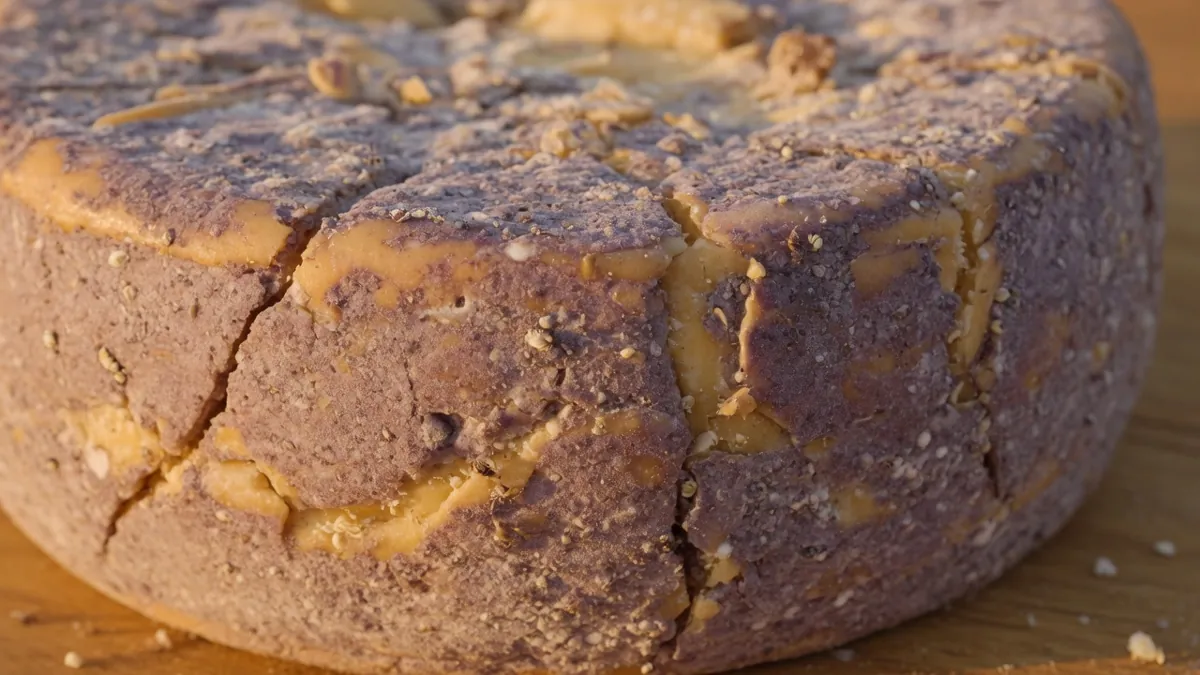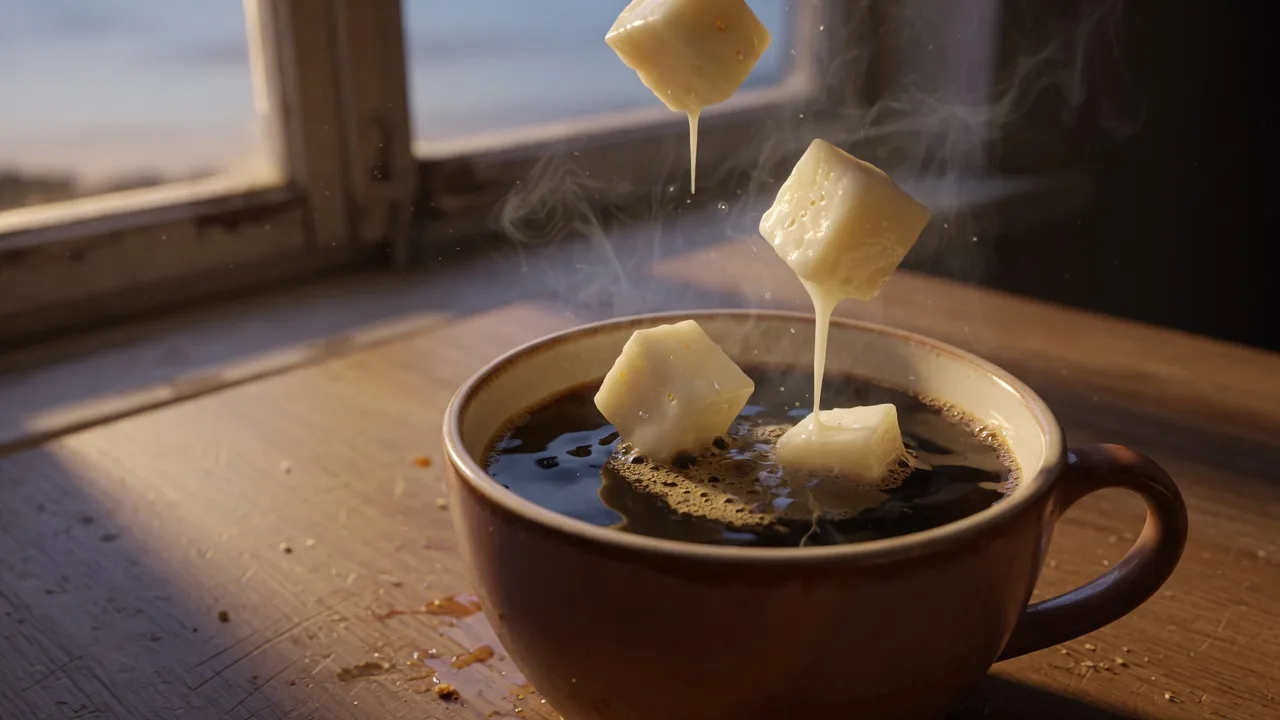
In northern Sweden, the cheese does not always wait on a board. Someone cuts a cube and drops it into hot coffee. The cheese is kaffeost, coffee cheese, and in the summer of 2025 the European Union protected where it is allowed to come from.
The June 2025 decision
On 26 June 2025, Sweden’s food agency, Livsmedelsverket, announced that kaffeost had received protected designation of origin status in the EU. In Swedish the mark is SUB, skyddad ursprungsbeteckning. On 2 July 2025, Sveriges Radio reported the same decision in English and described it as a quiet northern tradition stepping into the spotlight.
The map and the three milks
The protection is geographic. Both the milk and the making have to come from a named set of northern Swedish landscapes: Norrbotten, Västerbotten, Lappland, Jämtland, Härjedalen, and Ångermanland. The cheese is made from whole milk of reindeer, goat, or cow. The announcement lists all three; it does not rank them.
How the cheese is made
Livsmedelsverket describes kaffeost as a fresh cheese. Rennet is added and the milk is heated so whey drains from the curd, though some whey stays in the curd to give the cheese the right consistency. For keeping quality, the cheese can be browned or baked, salted, or smoked. The agency lists these as options, not as one required finish.
Cubes in hot coffee
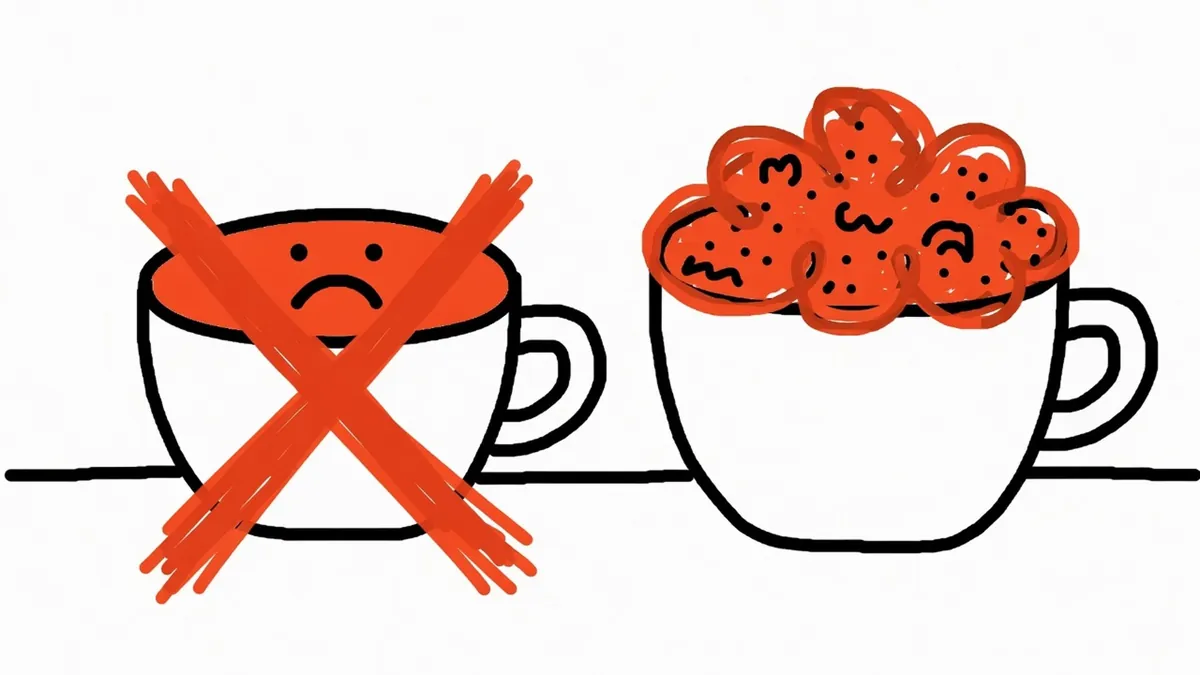
Then comes the part that gives the cheese its name. You cut it into cubes and put the cubes in hot coffee. In the cup the cheese becomes softer and takes on the taste of the coffee; the agency says serving it this way adds texture and develops the cheese’s flavor. It softens, it does not turn into a sauce.
Local makers and a quiet tradition
According to Sveriges Radio, the initiative came from local cheese-makers who wanted to preserve a piece of their food heritage. Producers hope the recognition will lift pride at home and maybe draw more curious visitors to the north. That is a hope, not a forecast.
What a protected origin name does
Protected names, Livsmedelsverket says, help producers highlight quality, give consumers credible information about added value, quality, and origin, and support traditional knowledge and local food craft. The EU uses three kinds of these marks: protected designation of origin, protected geographical indication, and traditional speciality guaranteed. Kaffeost received the origin mark. The agency puts the EU-wide total at about 4,000 foods, wines, and spirits across all three mark types, so that number is not a kaffeost figure.
Sweden already had other origin-protected products on its list, including Kalix löjrom (vendace roe) and Wrångebäcksost, so kaffeost is a new name in that company rather than the country’s first.
The cup is still the bowl
Next time a cup of coffee shows up with pale cubes in it, it is not a mistake. It is kaffeost doing what the name says, and the name is now tied to the place it comes from.
Sources / References
- Livsmedelsverket, “Kaffeost får skyddad ursprungsbeteckning i EU,” press release, 26 June 2025. livsmedelsverket.se
- Sveriges Radio, “Swedish ‘coffee cheese’ gets EU protection — a quiet northern tradition steps into the spotlight,” 2 July 2025. sverigesradio.se
Method note: facts come only from the two sources above. No fat percentages, prices, recipe ratios, producer counts, regulation numbers, or tradition age are given, because neither source states them. This is food history, not nutrition or medical advice.