Dairy products in baking do far more than simply add moisture. Whole milk contributes proteins that strengthen structure, lactose that promotes browning, and fat that tenderises crumb. Buttermilk's acidity reacts with baking soda to produce carbon dioxide lift and creates a particularly tender texture. Heavy cream adds richness and fat that enriches crumb and extends shelf life. Sweetened condensed milk provides sugar, protein, and concentrated dairy solids that produce chewy, fudgy textures in cookies and bars. Knowing what each dairy ingredient actually does, chemically and structurally, allows you to choose the right one for a given recipe, make confident substitutions when needed, and diagnose what went wrong when a bake falls short.
Whole Milk: The Baking Baseline
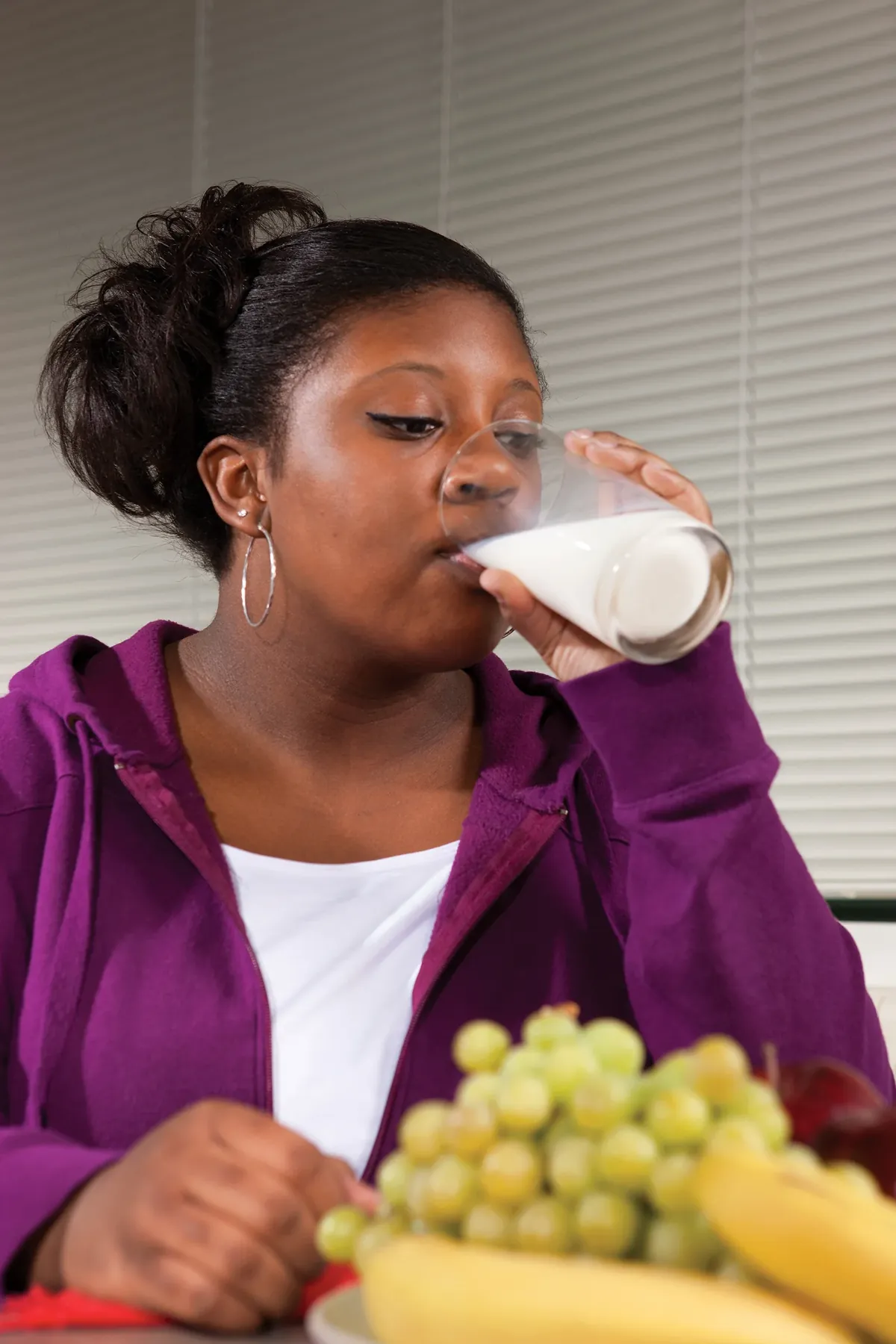
Whole milk in standard UK and EU formulation contains approximately 3.5% fat, 3.3% protein (casein and whey), 4.8% lactose, and 87.5% water. Each of these components plays a role in baking.
Protein
The proteins in milk (primarily casein and whey) coagulate when heated, contributing to the structure of cakes and quick breads. This is a minor but measurable effect: a recipe made with milk will have slightly more structure than the same recipe made with water, all else being equal. Whey proteins in particular begin to denature at around 70 to 80°C, bonding with other proteins and contributing to the set of the baked good.
Lactose and the Maillard Reaction
Lactose, milk's primary sugar, is a reducing sugar, meaning it participates in the Maillard reaction with amino acids when heated above approximately 140°C. This is the browning reaction responsible for the golden colour on the crust of milk-enriched breads and the deeper caramelisation on the surface of cakes. Recipes made with water instead of milk brown more slowly and less richly. This is why Japanese milk bread (shokupan), which uses a significant proportion of whole milk, develops such a deeply golden crust despite being a soft, enriched loaf.
Fat
The fat in whole milk (roughly 3.5%) coats gluten proteins and starch granules during mixing, inhibiting gluten development and lubricating the crumb structure. The result is a more tender crumb than a recipe made with skimmed milk or water. This is the same mechanism by which butter tenderises pastry: fat physically interrupts the gluten network. In cakes, where excessive gluten development (from overmixing) causes toughness, the fat in whole milk acts as a natural buffer.
Buttermilk: The Tenderiser and Lift Provider
Traditional buttermilk was the thin liquid remaining after cream was churned into butter. Modern cultured buttermilk, now the standard commercial product, is low-fat milk fermented with lactic acid bacteria (primarily Lactococcus lactis) to a pH of approximately 4.5 to 4.6, compared to whole milk's pH of around 6.7. This acidity is the key to its distinctive baking effects.
Reaction with Baking Soda
Baking soda (sodium bicarbonate) requires an acid to activate its leavening effect. Buttermilk's lactic acid provides that acid, reacting immediately when the two are combined to produce carbon dioxide bubbles that expand during baking, creating lift. This reaction is fast (it begins as soon as mixing occurs), which is why buttermilk batters should be baked promptly after mixing to capture the maximum lift before the bubbles escape. The formula: 1 teaspoon of baking soda is fully neutralised by approximately 240ml (1 cup) of buttermilk.
Gluten Weakening and Tenderness
Acid weakens gluten strands by disrupting the disulfide bonds between gluten proteins. This makes buttermilk-based batters (pancakes, quick breads, layer cakes) noticeably more tender than their non-acidified equivalents. American-style Southern biscuits, which rely on buttermilk for both their tenderness and their rise from baking soda, exemplify this: the combination of cold fat (butter or shortening) and acidified milk produces a flaky, tender crumb that no other liquid replicates exactly.
Flavour
Buttermilk adds a mild tang that balances sweetness in cakes. This is particularly evident in red velvet cake, where buttermilk is traditional and its acidity reacts with natural cocoa to deepen the red pigment in anthocyanins. Recipes using Dutch-processed (alkalized) cocoa instead of natural cocoa lose this colour reaction.
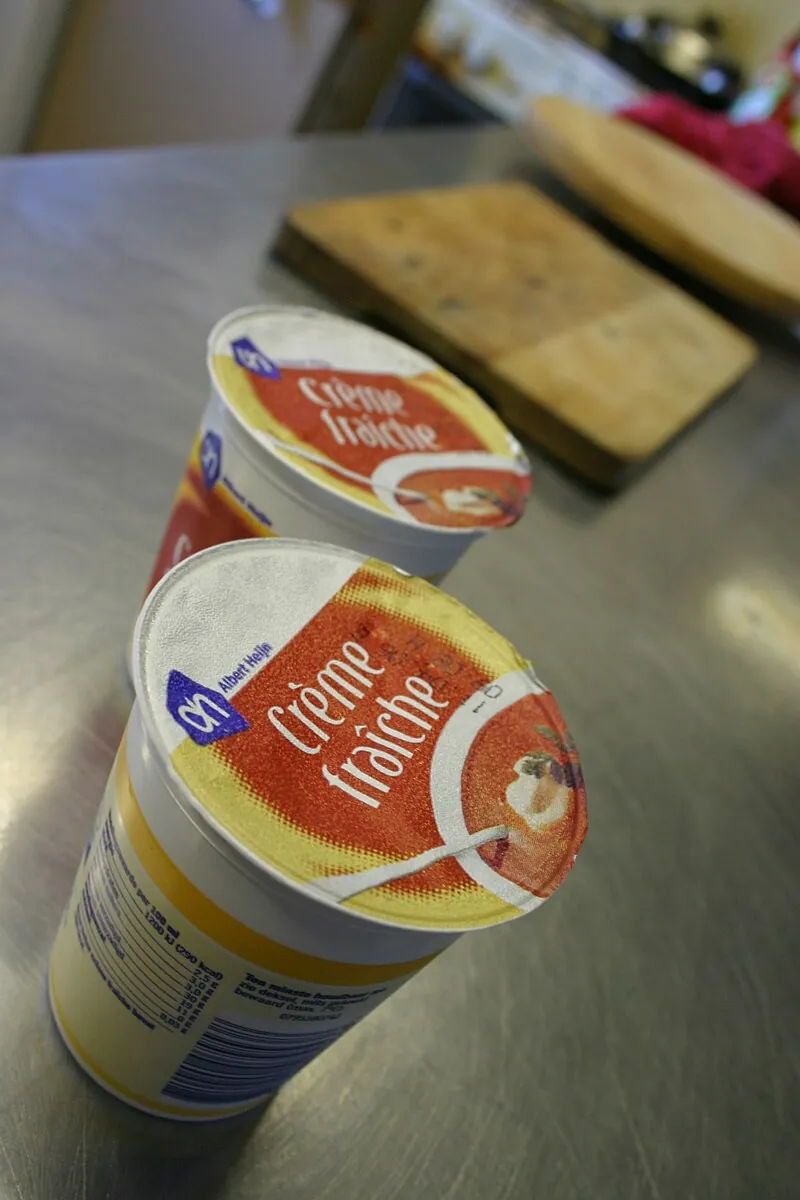
Heavy Cream: Richness and Extended Shelf Life
Heavy cream (whipping cream in the UK, double cream at its richest) contains 35 to 48% fat, depending on the variety. When used in place of milk in a cake recipe, the dramatically higher fat content produces several changes.
First, the crumb becomes noticeably richer and more tender because of the increased fat coating of gluten and starch. Second, because fat delays staling by keeping the crumb moist and pliable, cakes made with cream instead of milk stay fresh longer, often by a full day or two. Third, the reduction in water content (cream has less water than milk) means less steam is generated during baking, resulting in a denser, more fudgy crumb, which is ideal in pound cakes and loaf cakes but potentially too dense in layer cakes where a lighter texture is desired.
Condensed Milk: Sugar, Chew, and Fudge
Sweetened condensed milk is whole milk with 60% of its water removed and substantial sugar added (typically 40 to 45% of the final weight). It was developed in the 1850s by Gail Borden as a preservation method and remains one of the most shelf-stable dairy products commercially produced. In baking, its effects are distinct from all other dairy products because of its extreme concentration of both sugar and milk solids.
In bar cookies and brownies, sweetened condensed milk contributes to the chewy, fudgy texture characteristic of recipes like Brazilian brigadeiro or Filipino leche flan. The high sugar content undergoes significant caramelisation at baking temperatures, adding a distinct toffee note. In Southeast Asian baking, condensed milk is used in kuih (Malaysian and Singaporean small cakes) and Vietnamese bánh flan, where its richness and sweetness are central to the recipe rather than incidental. Nestlé Carnation is the dominant brand in UK and US markets; Eagle Brand is widely used in North America.
Practical Substitutions
When You Need Buttermilk and Don't Have It
The most reliable substitute is 240ml of whole milk with 1 tablespoon of white wine vinegar or lemon juice stirred in, left to stand for 5 minutes until slightly curdled. This produces a liquid with similar acidity (pH around 4.5 to 5.0) and similar leavening effect. Plain yogurt thinned with a little milk to a pourable consistency also works well; its pH is comparable and its protein content is higher, which can add a touch more structure.
When You Need Whole Milk and Only Have Semi-Skimmed
In most cake recipes, semi-skimmed milk (1.7% fat in the UK) can substitute for whole milk without dramatic results. The crumb will be very slightly less tender and the browning very marginally less rich. For bread baking, the difference is more pronounced; adding a teaspoon of butter or neutral oil per 240ml of semi-skimmed milk partially compensates for the missing fat.
Dairy-Free Substitutions
Unsweetened oat milk (particularly Oatly Full Fat or similar) is the closest plant-based substitute for whole milk in baking: it has similar consistency, a neutral flavour, and enough natural sugars to promote some Maillard browning. Soy milk is higher in protein and can produce slightly more structure but may add a beany flavour in neutral-flavoured cakes. For buttermilk, oat milk or soy milk with added vinegar follows the same substitution logic as dairy milk with vinegar.
Key Principles to Remember
- More fat in your dairy means a more tender, richer crumb and longer shelf life.
- Lactose in milk promotes browning via the Maillard reaction; recipes with more lactose brown faster and more deeply.
- Acid in buttermilk activates baking soda and weakens gluten; use it when you want tenderness and lift from a single leavening agent.
- Cream reduces water in a batter and increases fat, producing a denser, more fudgy result.
- Condensed milk adds concentrated sweetness and a caramelised note; it is not a simple substitute for regular milk and works best in recipes specifically designed for it.
Related: The Science of Gluten in Baking | Buttermilk: Uses, Substitutes, and Why It Works