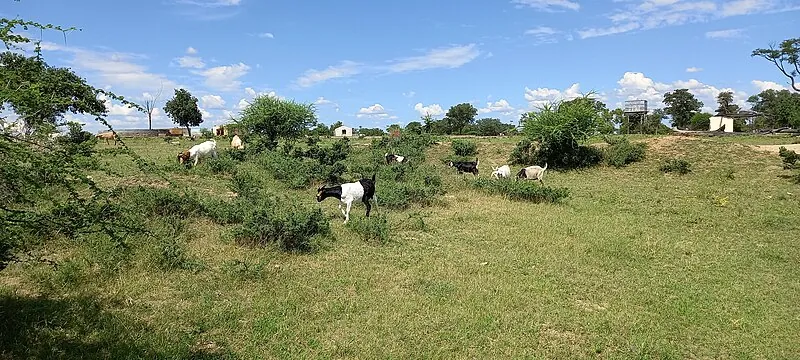
[Featured Image: Goat herders in the semi-arid Sertão of Northeast Brazil — to be replaced with a licensed or public domain image. Search Wikimedia Commons for "caatinga goats" or use a royalty-free image from Unsplash.]
When people think of Brazilian dairy, they often think of the vast cattle ranches of Mato Grosso or the European-influenced dairy cooperatives of the south. But Northeast Brazil has its own remarkable dairy story — one forged in the heat of the semi-arid sertão, shaped by centuries of resilience, and expressed in some of the country's most beloved artisan cheeses and dairy traditions.
The Geography of Northeastern Dairy
The Brazilian Northeast comprises nine states, but dairy production is concentrated in the interior regions away from the coastal strip. The sertão — a vast semi-arid zone covering much of the interior of states like Ceará, Rio Grande do Norte, Paraíba, Pernambuco, Piauí, Bahia, and parts of Sergipe and Alagoas — is characterised by:
- Irregular, unpredictable rainfall (200–800mm annually)
- Extreme heat (average temperatures of 28–35°C)
- Sparse caatinga vegetation — thorny shrubs, cacti, and drought-resistant trees
- Prolonged dry seasons alternating with intense rainy periods
Conventional European dairy breeds cannot survive these conditions. The Northeast's dairy culture therefore evolved around animals and practices perfectly adapted to this demanding environment.
Zebu Cattle: The Backbone of Northeastern Dairy
The dominant cattle in the Northeast are Zebu breeds — particularly Gir and Guzerat — and their crosses with European breeds. Zebu cattle, originating in South Asia, are uniquely suited to tropical conditions:
- Highly heat-tolerant with efficient sweat glands
- Resistant to ticks and tropical parasites
- Capable of surviving on sparse, low-quality forage
- Efficient water use and tolerance for dehydration
While Zebu cows produce less milk than high-yielding European breeds, the milk is rich in fat and protein. Crossbreeding programmes (Gir × Holstein, for instance) have produced the Girolando breed — now the dominant dairy cattle across tropical Brazil — which combines tropical hardiness with improved milk production.
Queijo Coalho: The Icon of Northeastern Dairy
If there is one product that represents the dairy culture of Northeast Brazil, it is queijo coalho — a semi-firm, artisan cheese with a distinctive squeaky texture that holds its shape when grilled. Unlike most cheeses, queijo coalho does not melt; instead it forms a golden, slightly crispy exterior when cooked, releasing a warm, milky, salty interior.
It is sold in markets, on beaches, at street stalls, and at festas juninas — the June festivals that are the cultural heartbeat of the Northeast. A block of queijo coalho roasting on a charcoal skewer at a beach in Fortaleza is as quintessentially Brazilian as carnival itself.
In 2008, queijo coalho do Nordeste received Geographical Indication status in Brazil, recognising its unique regional heritage. Traditional production uses raw (unpasteurised) milk, natural rennet, and a pressing technique passed down through generations.
Goat Milk: The Northeast's Hidden Dairy Gem
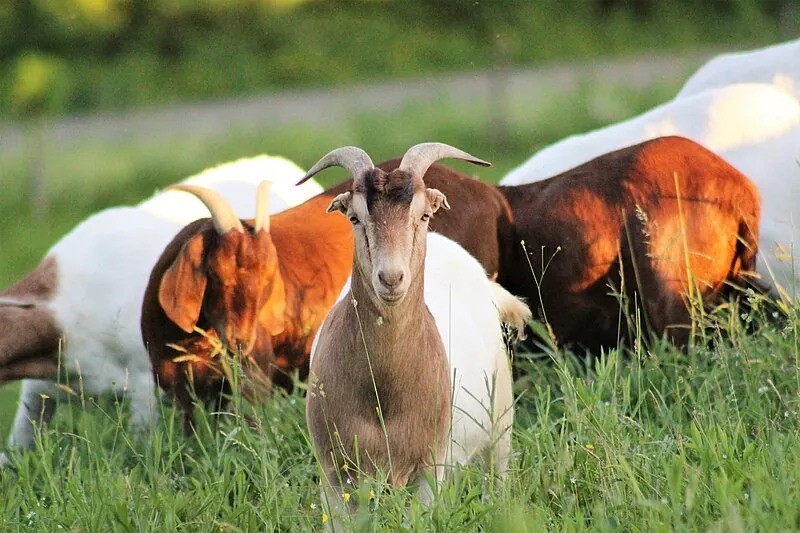
The semi-arid Northeast is home to the largest concentration of goats in Brazil — and a growing artisan goat dairy sector. The state of Bahia alone has over 9 million goats, and states like Piauí and Ceará are not far behind.
Goats thrive in the caatinga landscape where cattle struggle. They browse on thorny vegetation that cattle cannot digest and require far less water. Northeastern goat milk is prized for:
- Slightly sweeter flavour profile than cow's milk
- Smaller fat globules — generally easier to digest
- Lower levels of alpha-S1 casein — potentially suitable for some with cow milk sensitivities
Artisan cheesemakers in the northeastern interior are now producing goat cheeses of real distinction — fresh chèvre-style, aged coalho de cabra, and semi-cured varieties that are attracting interest from Brazilian gourmet food markets in São Paulo and Rio.
The Sertanejo Dairy Tradition
In rural northeastern communities, dairy is not just an industry — it is a way of life. The vaqueiros (cowboys) who manage the cattle herds are iconic cultural figures in the region's literature, music, and folk art. Traditional dairy practices include:
- Hand milking at dawn, often with calves present to stimulate milk letdown
- Making manteiga de garrafa (bottle butter) — a clarified butter similar to ghee, with a distinctive golden colour and intense flavour, made by boiling soured cream
- Producing requeijão — a soft, slightly melted cheese similar to cream cheese
- Making doce de leite — the sweet caramel milk paste beloved across Brazil
Challenges and the Future
Northeastern dairy faces significant challenges: climate variability (the region's droughts are intensifying), limited access to refrigeration infrastructure, low farm-gate milk prices, and competition from large-scale dairy cooperatives in the south.
However, there is a growing movement to valorise the Northeast's unique dairy heritage. Cooperatives like Cooperativa dos Agricultores Familiares do Nordeste are helping small-scale producers access better markets, and the artisan cheese movement is creating premium price points for traditional products.
The milk of the sertão is not just a food product — it carries the history and identity of one of Brazil's most distinctive cultural regions. As artisan dairy continues to grow as a segment globally, the Northeast may be sitting on a very valuable tradition.
Related: World Milk Production Rankings | The History of Milk