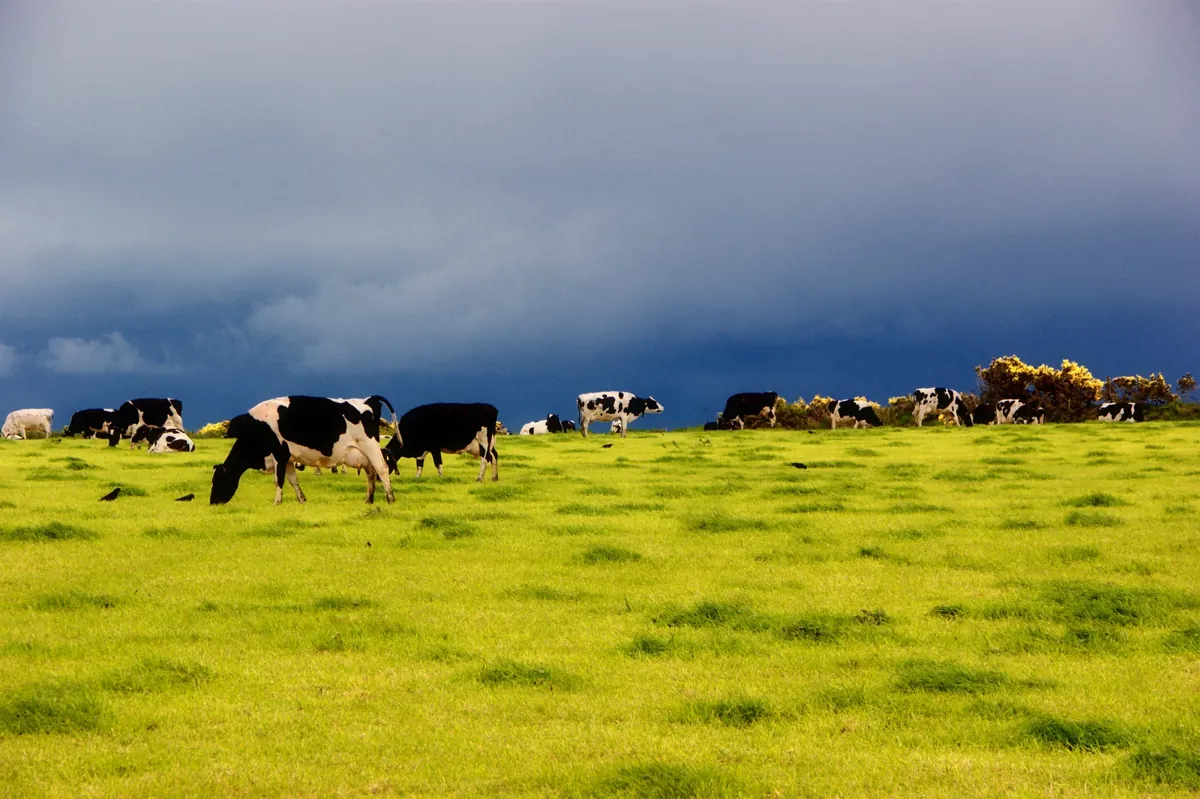
Organic milk is the most widely purchased organic food product in the UK and costs approximately 30% to 60% more than conventional milk (typically £1.50 to £2.00 per litre compared to £1.10 to £1.40 for standard whole milk). The price premium reflects higher production costs: organic certification prohibits synthetic pesticide use, GMO feed, and routine prophylactic antibiotics; requires outdoor access; and mandates higher standards for stocking density and animal welfare. The nutritional case for organic milk is strongest on omega-3 fatty acids and CLA, where the differences are consistent across multiple studies, and weakest for most other nutrients where differences are small or inconsistent. Organic certification in the UK is meaningful as a proxy for pasture-based feeding, which is the primary driver of the nutritional differences; consumers who can access verified grass-fed conventional milk (e.g., Kerrygold, UK Pasture Promise certified) achieve similar nutritional benefits to organic.
What UK Organic Certification Requires
UK organic dairy certification (Soil Association, OF&G, OF&G Scotland, Organic Farmers and Growers) requires:
- Feed: 100% of feed must be organically produced. At least 60% of the dry matter in the diet must come from grass, hay, silage, and other forage (this is the key driver of nutritional differences). A maximum of 40% concentrate (grain, pulses) is permitted.
- Outdoor access: Cows must have access to outdoor grazing when conditions permit. No specific minimum number of outdoor days is mandated at the EU organic regulation level, but UK organic bodies typically require outdoor access for as long as weather permits.
- Pesticides: Synthetic pesticides prohibited on feed crops and pastures. Natural pesticides permitted in limited circumstances.
- GMO prohibition: No genetically modified organisms in feed, seeds, or other inputs.
- Antibiotics: Routine prophylactic antibiotic use is prohibited. Antibiotics can be used to treat sick animals (withholding periods are doubled relative to conventional standards), but are not permitted as growth promoters or routine preventive treatment.
- Stocking density: Maximum 2 livestock units per hectare for dairy cattle (more space per animal than most conventional systems).
Important: organic certification does not mean year-round outdoor grazing, and does not require the same standards as the UK Pasture Promise certification (which mandates 180 outdoor days and 60% grass diet by dry matter). Some organic herds are predominantly housed in winter and rely heavily on silage; the degree of actual pasture access varies by farm.
Nutritional Differences: The Research
Omega-3 Fatty Acids
The most robust nutritional difference. The 2016 Benbrook et al. meta-analysis in the British Journal of Nutrition (covering 170 published studies) found that organic milk contained approximately 56% more total omega-3 fatty acids than conventional milk, with the difference driven by ALA (alpha-linolenic acid, the plant-derived omega-3 found in grass). The higher ALA reflects the higher grass proportion in organic diets. EPA and DHA (the long-chain omega-3s found in fish oil, which are more bioavailable for human use) are present in dairy at low concentrations and show smaller differences between organic and conventional.
Conjugated Linoleic Acid (CLA)
The same Benbrook et al. meta-analysis found approximately 18% higher CLA in organic milk compared to conventional. CLA is associated in human studies with modest anti-inflammatory and metabolic benefits, though the doses achievable through dairy consumption are below those used in most intervention trials.
Iodine
One area where conventional milk performs better than organic: iodine content. Iodine in conventional milk is supplemented via iodine-containing feed concentrates and teat dips used in milking; organic regulations restrict these inputs, and organic milk typically contains approximately 30 to 40% less iodine than conventional milk. This matters because the UK population is borderline iodine-deficient in some subgroups (particularly young women, pregnant women, and people on plant-based diets), and dairy is the primary dietary iodine source for many UK adults (contributing approximately 40% of daily iodine intake). People who drink organic milk exclusively should consider iodine intake from other sources (seafood, iodised salt, or a supplement).
Other Nutrients
Protein, calcium, vitamins A, D, B12, and riboflavin show no consistent meaningful difference between organic and conventional milk across the evidence base. Any differences are small and within natural variation between farms, seasons, and breeds.
Antibiotic Residues and Resistance
All milk sold in the UK is tested for antibiotic residues before leaving the farm; milk from cows treated with antibiotics must be withheld from sale until the withholding period expires (typically 3 to 4 days). Antibiotic residues in conventional retail milk are extremely rare and within regulatory limits. The organic versus conventional distinction on antibiotics is therefore not primarily about residues in the milk (which are controlled in both systems) but about the contribution of routine antibiotic use in conventional livestock to antimicrobial resistance more broadly.
The Summary Case For and Against the Premium
The organic premium is worth the cost for:
- People with low oily fish consumption who want to increase dietary omega-3 intake
- People who prioritise animal welfare and lower antibiotic use on principle
- People who want the full set of organic farming benefits (environmental as well as nutritional)
The organic premium is less compelling for:
- People who consume plenty of oily fish (the omega-3 advantage of organic milk is dwarfed by two servings of oily fish per week)
- People concerned about iodine intake (the lower iodine in organic milk is a genuine counterpoint)
- People who have access to verified pasture-promise dairy (similar nutritional profile without organic certification costs)
Related: Grass-Fed Dairy: What It Actually Means and Whether It's Worth the Premium | Dairy Farming and the Environment: The Carbon Footprint of Milk and Cheese