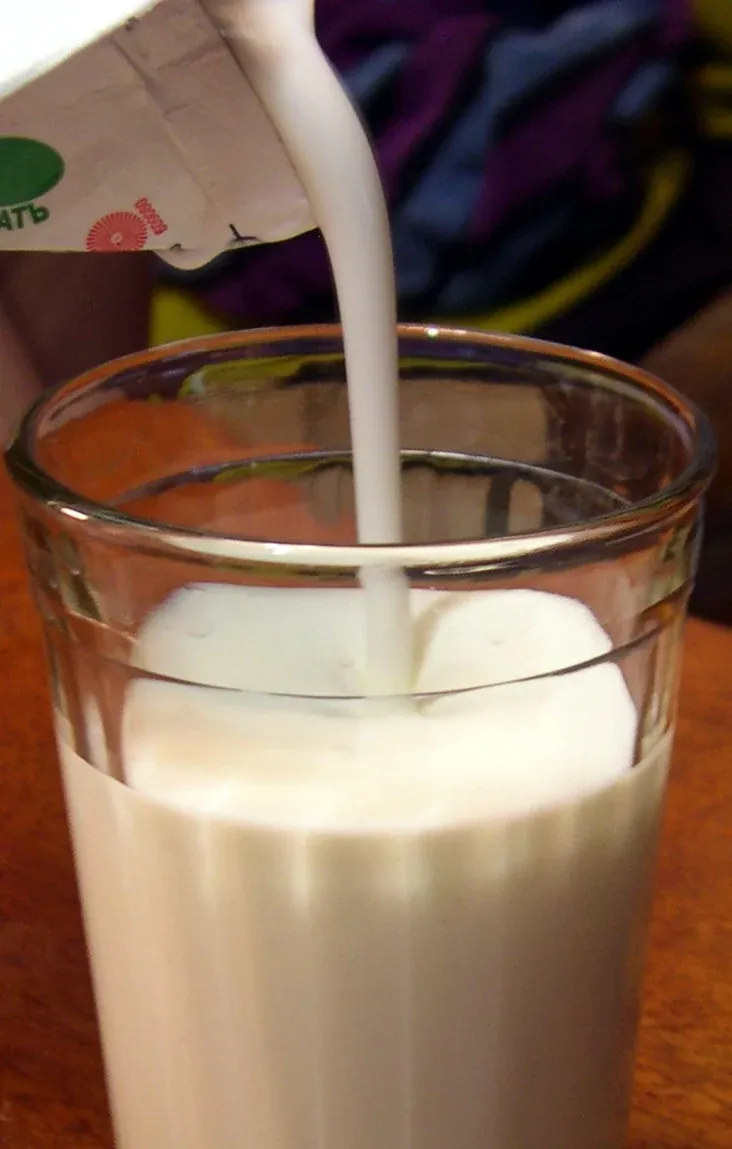
Somewhere in the mountain villages of the Caucasus — in present-day Georgia, Armenia, Azerbaijan, or the North Caucasus of Russia — people discovered that milk stored in leather pouches sometimes transformed into something remarkable: a tart, fizzy, slightly alcoholic drink that kept longer than fresh milk and seemed to promote extraordinary health and longevity. The substance responsible was a rubbery, cauliflower-like culture of bacteria and yeast that would come to be called kefir grains. Those grains, traded carefully and guarded jealously for centuries, have now spread across the world and earned clinical scientific attention for properties the mountain people always knew empirically: kefir is genuinely, measurably good for you.
What Are Kefir Grains?
Kefir grains are not grains in the botanical sense — they are a symbiotic matrix of lactic acid bacteria, acetic acid bacteria, and yeasts, bound together in a polysaccharide and protein structure called kefiran. They look like small, irregular white or pale yellow cauliflower florets, ranging from a few millimetres to several centimetres.
This is not a simple culture: kefir grains contain between 30–50 different species of bacteria and yeast coexisting in a stable, self-perpetuating community. The bacteria and yeast interact — the bacteria break down lactose (making kefir significantly more tolerable for those with lactose sensitivity than fresh milk), the yeasts produce small amounts of carbon dioxide and alcohol (typically 0.5–2% ABV in traditional kefir), and together they produce the characteristic tangy, effervescent, slightly alcoholic product.
What makes kefir grains remarkable is their durability and self-propagation: placed in fresh milk daily, they grow, multiply, and can be maintained indefinitely. The original grains of the Caucasus are — in the sense that the living culture continues — thousands of years old.
The Origins: Caucasus and the Legend of the Grains
The word kefir is widely considered to derive from the Turkish keyif (pleasure, well-being), reflecting the drink's association with health and vitality. The most credible origin story places kefir's discovery in the mountains of the North Caucasus — the regions of present-day Ossetia, Karachay-Cherkessia, or Kabardino-Balkaria — though Georgian and Armenian traditions also claim it.
The Ossetian and Karachay peoples called the grains the "Grains of the Prophet" or "Millet of the Prophet Mohammed" — reflecting a belief that the grains were a divine gift and must never be given to outsiders, only loaned. This secrecy kept kefir largely confined to the Caucasus until the late 19th century, when the Russian physician Ilja Metchnikov (who won the Nobel Prize in 1908 partly for his work on gut bacteria) began investigating the extraordinary longevity reported among Caucasian populations — and pointed to fermented milk as a probable contributing factor.
The Russian medical establishment became fascinated, and in 1908 the All-Russian Physicians' Society sent an agent to obtain kefir grains from the Karachay. After considerable difficulty — the story involves a kidnapping and subsequent forced marriage — grains were obtained and kefir production was established in Russia. By the 1930s, kefir was being produced industrially in the Soviet Union and was a standard item in Russian and Eastern European diets.
The Health Science: What We Actually Know
Kefir has been the subject of substantial scientific research, and the findings are more compelling than most "superfood" claims:
- Lactose digestion: The bacteria in kefir pre-digest a significant portion of the lactose, and the live bacteria further assist digestion in the gut. Studies show most people with lactose intolerance can consume kefir without symptoms — a clinically meaningful benefit.
- Gut microbiome: Kefir contains far more diverse and numerous probiotic species than yoghurt. Clinical studies have documented improvements in gut microbiome diversity after regular kefir consumption.
- Immune modulation: Multiple studies have documented kefir's effects on immune markers, including reductions in inflammatory markers and enhanced natural killer cell activity.
- Bone health: High calcium content combined with improved absorption (the fermentation process may enhance mineral bioavailability) makes kefir potentially superior to fresh milk for bone density support.
- Cholesterol: Some studies suggest regular kefir consumption reduces LDL cholesterol — likely via the specific action of certain Lactobacillus strains present in the grains.
The important caveat: much of the clinical research uses specific strains in controlled conditions, and commercial kefir products (particularly those that are pasteurised after fermentation, killing the live cultures) may not replicate all benefits of traditionally prepared kefir.
Milk Kefir vs. Water Kefir
Milk kefir (from dairy milk) is the original and most nutritionally dense form. Water kefir — made from different, smaller grains fermenting sugar water or fruit juice — is a vegan alternative that produces a probiotic fizzy drink but lacks the protein, calcium, and fat-soluble vitamins of milk kefir. Both contain live probiotic organisms; milk kefir is significantly more nutritionally complete.
Making Kefir at Home
Home kefir production is simple and economical:
- Obtain live kefir grains (not freeze-dried starter powder — the real grains are far superior and self-perpetuating)
- Place 1–2 tablespoons of grains in a glass jar with 500ml of whole milk
- Cover loosely (the CO₂ produced must escape) and leave at room temperature (18–22°C) for 24–36 hours
- Strain the grains out (use a plastic or wooden spoon — metal can damage the culture), refrigerate the kefir, and restart with fresh milk
The grains grow over time and can be shared, gifted, or (carefully dried) stored as backup. A single set of grains obtained today can theoretically be maintained for generations.
Related: Lactose Intolerance: Myth or Reality? | The Science of Yoghurt: From Milk to Miracle