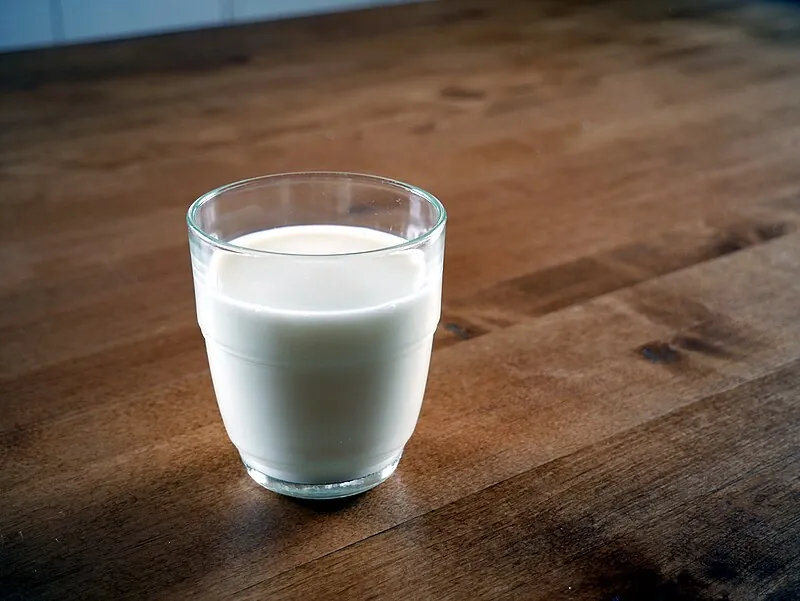
Raw milk, milk that has not been pasteurised or homogenised, occupies an unusual position in food culture: it is simultaneously the traditional form in which milk was consumed for millennia, a product with a dedicated advocacy community that makes significant health claims for it, and a food that public health authorities consistently classify as presenting serious microbial risk, particularly for vulnerable populations. The disagreement between raw milk advocates and public health authorities is not primarily about facts but about how to weigh competing considerations: the potential benefits of raw milk's biological activity against the documented risks of pathogen exposure. This article presents both positions as the evidence supports them, without resolving a debate that reasonable people continue to have.
What Pasteurisation Does (and Doesn't Do)
Pasteurisation was developed by Louis Pasteur in the 1860s and applied to milk commercially from the 1880s, with UK statutory requirements following in the 1920s to 1940s. The standard method used today is high-temperature short-time (HTST) pasteurisation: milk heated to 72°C for 15 seconds, then rapidly cooled. Ultra-heat treatment (UHT, 135°C for 2 to 4 seconds) produces shelf-stable milk that can be stored for 6 to 12 months without refrigeration.
What pasteurisation eliminates:
- Pathogens: Salmonella, Campylobacter, E. coli O157:H7, Listeria monocytogenes, Brucella, and Mycobacterium bovis (bovine tuberculosis) are killed at pasteurisation temperatures
- Most beneficial bacteria (lactobacillus, bifidobacterium) and naturally occurring enzymes
What pasteurisation affects but does not eliminate:
- Vitamin content: HTST pasteurisation reduces vitamin C content by approximately 25% (milk is not a major vitamin C source in any case), reduces vitamin B12 by approximately 10%, and has minimal effect on fat-soluble vitamins (A, D, K, E) and most B vitamins
- Immunoglobulins and lactoferrin: Partially denatured by heat; raw milk retains higher concentrations of these immune-active proteins
- Enzymes (lipase, protease, lactase, alkaline phosphatase): Largely deactivated by pasteurisation; the absence of lipase in pasteurised milk is proposed by some researchers to affect fat digestion
The Health Claims for Raw Milk: What the Research Shows
Allergy and Asthma Reduction
The strongest evidence for potential raw milk benefit comes from European farm studies on childhood allergy and asthma. The PARSIFAL study (Riedler et al., 2001, published in The Lancet) found that farm children who drank raw milk had significantly lower rates of asthma, hay fever, and atopic sensitisation than age-matched controls. The GABRIELA study (2011, Journal of Allergy and Clinical Immunology) confirmed this association in 8,334 children and specifically identified raw milk consumption (rather than farm living in general) as an independent protective factor.
The mechanism proposed is the "farm effect" or "old friends hypothesis": early-life exposure to diverse microbial communities (including those in raw milk) promotes appropriate immune system development and reduces allergic sensitisation. Whey proteins in raw milk (particularly bovine serum albumin and alpha-lactalbumin, which are partially denatured by pasteurisation) may stimulate regulatory T-cell responses that suppress allergic reactions.
However: the same studies also found that farm children experienced significantly more episodes of acute febrile illness in early life, consistent with higher microbial exposure. The allergy benefit and the infection risk are likely two sides of the same microbial exposure coin.
Lactose Intolerance
Raw milk advocates claim that the naturally occurring lactase in raw milk aids lactose digestion. The clinical evidence for this is weak: a 2014 randomised controlled crossover trial in Annals of Family Medicine (Mummah et al.) found no significant difference in lactose malabsorption symptoms or hydrogen breath test results between raw milk and pasteurised milk in 16 lactose-intolerant adults. The lactase naturally present in raw milk is insufficient to pre-digest lactose to a clinically significant degree before consumption.
The Safety Data: Disease Burden from Raw Milk
The Centers for Disease Control and Prevention (CDC) analysed dairy-associated foodborne illness outbreaks in the US from 1998 to 2018 and found that raw milk accounted for 840 outbreaks (79% of all dairy-related outbreaks) despite being consumed by an estimated 3.2% of the US population. Per unit of consumption, raw milk carries approximately 840 times the risk of dairy-associated illness compared to pasteurised milk. The most common pathogens involved: Campylobacter jejuni (the leading cause), Shiga toxin-producing E. coli O157:H7, Salmonella, and Listeria. Children under 5, pregnant women, elderly adults, and immunocompromised individuals experience the most severe outcomes from raw milk-associated pathogens.
In the UK, raw milk from registered producers with green-top bottle labelling is legal to sell direct from the farm, at farmers' markets, and through some independent retailers, but cannot be sold in ordinary shops or supermarkets. Approximately 150 registered raw milk producers operate in England and Wales (the Food Standards Agency lists registered producers). Scotland and Northern Ireland prohibit raw milk sale for human consumption entirely.
The Balanced Position
Raw milk from a clean, regularly tested herd on a well-managed farm presents lower (but not zero) pathogen risk than raw milk from unknown sources, and the biological activity retained is genuinely higher than in pasteurised milk. The farm allergy studies represent real, replicated epidemiological evidence that merits continued research. At the same time, the documented disease burden from raw milk consumption is real, the pathogens are dangerous, and the risk falls most heavily on the populations least able to tolerate severe infection. Adults who understand the risk and choose raw milk from certified producers are making an informed choice; serving raw milk to children under 5, elderly relatives, or anyone with a compromised immune system is not a choice the evidence supports.
Related: A2 Milk: What It Is and Whether the Premium Is Justified | Organic Dairy Farming: What It Means for Nutrition and Animal Welfare