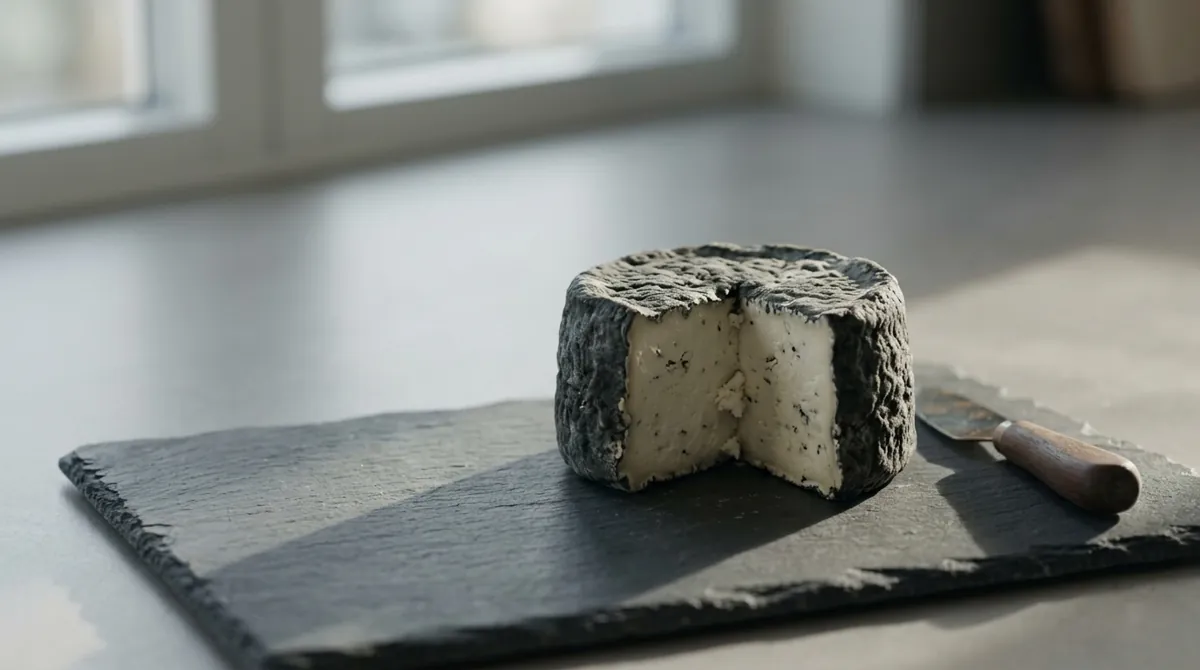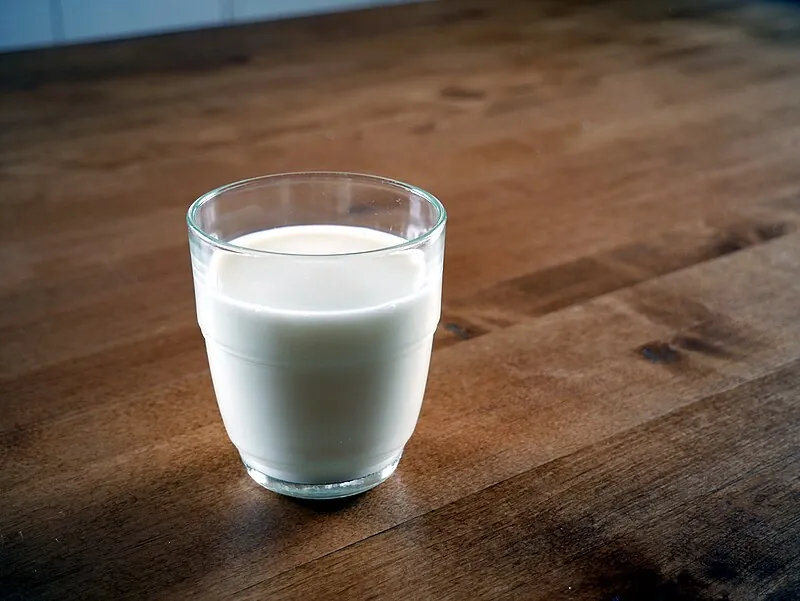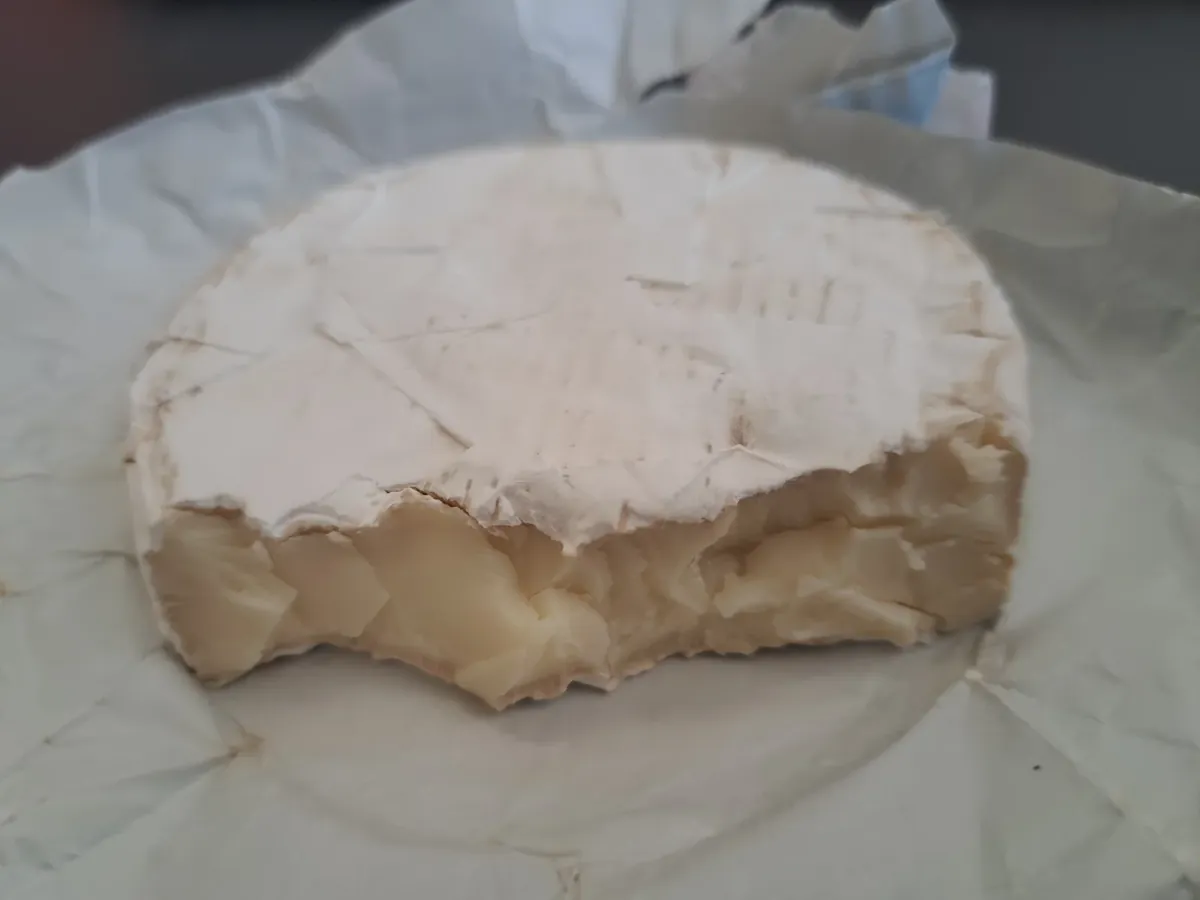
Few food topics generate as much heat and as little light as raw milk. The pro-raw-milk position, associated with farm-to-table advocates, natural food movements, and traditional dairy communities, holds that pasteurization destroys beneficial enzymes, probiotics, and micronutrients that make raw milk nutritionally and gastronomically superior to its pasteurized equivalent. The anti-raw-milk position, associated with most public health authorities and food safety agencies, holds that the pathogenic risks of unpasteurized milk are severe and well-documented, and that no nutritional benefit justifies that risk. Both positions contain real information. Both also contain significant omissions. This post attempts to cover the full picture.
What Pasteurization Actually Does to Milk
Pasteurization is a heat treatment that kills a defined range of pathogenic microorganisms. The most common form in most countries is HTST (High-Temperature Short-Time) pasteurization, which heats milk to 72°C for 15 seconds. Ultra-high temperature (UHT) pasteurization, which produces shelf-stable milk, heats to 135-150°C for 2-4 seconds. The two produce meaningfully different products: UHT milk has a distinct cooked flavor from Maillard reactions at high temperature and a longer shelf life; HTST milk is closer to fresh in flavor and requires refrigeration.
What pasteurization kills: it reduces populations of Salmonella, Listeria monocytogenes, Campylobacter jejuni, E. coli O157:H7, Staphylococcus aureus, and Mycobacterium bovis (the bovine tuberculosis agent) to levels below detection. The specific target organisms and the kill rates are specified in dairy regulations in each jurisdiction. HTST pasteurization is not sterilization: it does not kill all microorganisms, but it eliminates the ones most likely to cause severe human illness at the population level.
What pasteurization affects beyond pathogens: this is where the raw milk advocacy position has some legitimate scientific basis. HTST pasteurization at 72°C denatures a proportion of the whey proteins in milk, particularly beta-lactoglobulin and immunoglobulins. It reduces the activity of some native milk enzymes, including alkaline phosphatase (whose inactivation is actually used as the standard test for successful pasteurization), lactoperoxidase, lysozyme, and xanthine oxidase. It has a measurable but relatively modest effect on vitamin content, with vitamin C and some B vitamins showing reduction. The extent to which these changes have practical nutritional consequences for people who consume milk as part of a varied diet is a separate question from whether the changes occur, and the evidence on the nutritional significance is considerably weaker than the evidence that the changes themselves happen.
The Pathogen Evidence: What the Data Shows
The Centers for Disease Control and Prevention (CDC) in the United States, the European Food Safety Authority (EFSA), the UK Food Standards Agency, and equivalent bodies in Australia and New Zealand have all conducted reviews of foodborne illness outbreaks attributable to raw milk consumption. The picture is consistent across jurisdictions.
In the United States, a 2017 CDC analysis of dairy-related foodborne illness outbreaks from 2009 to 2014 found that raw milk and raw milk cheese products accounted for 3.9% of dairy consumption but 96% of dairy-related illnesses and 96% of hospitalizations. The pathogens most frequently responsible were Campylobacter, Shiga toxin-producing E. coli (STEC), and Listeria. Salmonella outbreaks linked to raw milk have also been documented repeatedly.
In the EU, where raw milk is legal to sell in several member states including France and Germany, surveillance data collected by EFSA shows that raw milk-related outbreaks have been consistently documented, with Campylobacter as the most frequent culprit. France, which has a cultural and legal tradition of both raw milk consumption and raw milk cheese, reports Campylobacter outbreaks linked to raw milk at a rate that public health authorities consider significant enough to warrant ongoing consumer warnings, particularly for pregnant women, the elderly, and immunocompromised individuals.
The raw milk advocacy response to these statistics raises a legitimate methodological point: raw milk consumption is rare enough in most populations that small absolute numbers of cases produce large-looking relative risk figures. A foodborne illness rate that looks alarming as a percentage of consumers may represent a small absolute number of cases. This is true. It is also true that the severity of raw-milk-associated illnesses is disproportionately high: hemolytic uremic syndrome (HUS) caused by STEC O157:H7, a potentially kidney-destroying complication most common in children, has been linked to raw milk outbreaks in multiple countries. The severity argument does not disappear by examining absolute numbers.
The Nutritional Claims: What the Evidence Actually Supports
The claim that raw milk contains beneficial bacteria destroyed by pasteurization is the most widely circulated nutritional argument for raw milk. It is also the most poorly supported by the available evidence.
Milk from healthy cows on well-managed farms does contain native microorganisms, primarily lactic acid bacteria, that have probiotic-associated properties in laboratory settings. However, these organisms are present in raw milk at relatively low concentrations compared to what clinical research suggests is necessary for probiotic benefit in human gut microbiome studies. The bacteria that survive the journey from the farm to the consumer's gut through the acidic environment of the stomach, in quantities sufficient to have a measurable effect on gut microbiota composition, have not been demonstrated in controlled human trials specific to raw milk consumption. The probiotic argument for raw milk is biologically plausible at the theoretical level but has not been validated in the clinical evidence that applies to fermented dairy products like yogurt, kefir, and aged cheese, where higher bacterial concentrations and protective matrices are present.
The enzyme argument is somewhat stronger, but again requires qualification. Alkaline phosphatase, lactoperoxidase, and lysozyme do have antimicrobial and digestive properties in vitro. Whether they survive digestion intact in quantities sufficient to have physiological effects in humans consuming raw milk has not been established. The digestive system is not a gentle environment for proteins: most enzymes are denatured by gastric acid long before they reach the sites where their proposed benefits would be realized.
The allergy and asthma argument is the most scientifically interesting and the most frequently cited in recent research. Several epidemiological studies, particularly the PARSIFAL study (2006) and the GABRIELA study (2011), both large multi-country European cohort studies examining childhood asthma and allergy, found associations between farm milk consumption and reduced rates of asthma, hay fever, and atopic sensitization. These associations were robust across multiple analyses and adjustment for confounders. The precise mechanism remains under investigation: hypotheses include exposure to a more diverse microbial community in farm environments generally (not just raw milk), protective effects of specific whey proteins in less-heat-treated milk, and the presence of bioactive fats in milk from cows on pasture diets. Critically, these studies found associations with farm milk consumption, not exclusively with raw milk consumption, and researchers have been careful not to use these findings as endorsements of raw milk over pasteurized alternatives for the general population.
Raw Milk Cheese: A Different Risk Profile
Raw milk used for cheese-making occupies a different regulatory and risk position from raw milk for direct consumption. EU regulations permit raw milk cheese of all types from any member state, provided minimum aging requirements and hygiene standards are met. The United States permits raw milk cheeses aged for a minimum of 60 days, on the theory that the aging process (acidity development, reduced water activity, salt concentration) reduces pathogen viability. Canada and Australia apply stricter rules.
The 60-day aging rule in the US has been challenged by food scientists who note that some pathogens, including E. coli O157:H7 and Listeria, can survive 60 days in certain cheese matrices, particularly soft and semi-soft styles. Several Listeria outbreaks linked to raw milk soft cheeses (including several involving Hispanic-style soft cheeses made from unpasteurized milk) have occurred in the US in the years following the rule's implementation, producing pressure for revision. The 2018 CDC outbreak investigation linking Listeria cases to raw milk soft cheese noted that the 60-day rule "does not eliminate risk from Listeria monocytogenes in raw milk soft cheeses."
For hard aged cheeses (Parmesan, aged Gouda, aged Cheddar), the picture is considerably more favorable. The low moisture, high salt, and extended aging of a well-made hard raw milk cheese create conditions hostile to most pathogens, and outbreak data linking hard aged raw milk cheeses to illness is substantially thinner than for soft varieties. The flavor argument for raw milk in aged hard cheese is also more convincing: the native microbiota and enzyme activity of raw milk contribute measurably to the complexity of aged hard cheese in ways that are well-documented in comparative cheese studies.
The Cultural and Legal Landscape
The legal status of raw milk for direct consumption varies substantially by country and, in the United States, by state. Thirty-some US states permit some form of raw milk sale, ranging from farm-direct only to retail sales in grocery stores. The remaining states prohibit it entirely. The EU permits raw milk sales in France, Germany, Austria, the Netherlands, Denmark, and several other member states, typically with mandatory labeling and hygiene requirements. The UK permitted raw milk sales in England and Wales from registered farms but banned them in Scotland and Northern Ireland. Australia and Canada maintain among the strictest bans on raw milk direct consumption in the developed world.
The cultural dimension of this debate is not incidental. In France, the concept of terroir extends to dairy: the belief that the specific microbial ecology of a place, expressed through the raw milk produced there and the cheese made from it, is part of the cultural heritage of that region. The appellation system for French cheese is built on this foundation. The AOC for Camembert de Normandie requires raw milk from Norman cows; the Comté PDO requires raw milk from Montbéliarde and Simmental cattle on mountain pastures. These are legal requirements with genuine flavor science behind them, and they represent a coherent philosophical position about the relationship between geography, biology, and food that is difficult to simply dismiss as ignorant romanticism.
Related: Inside the Caves of Roquefort: Geology, Microbes, and a Cheese That Cannot Be Made Anywhere Else | The Science of Pasteurization: How Dairy Safety Changed the World