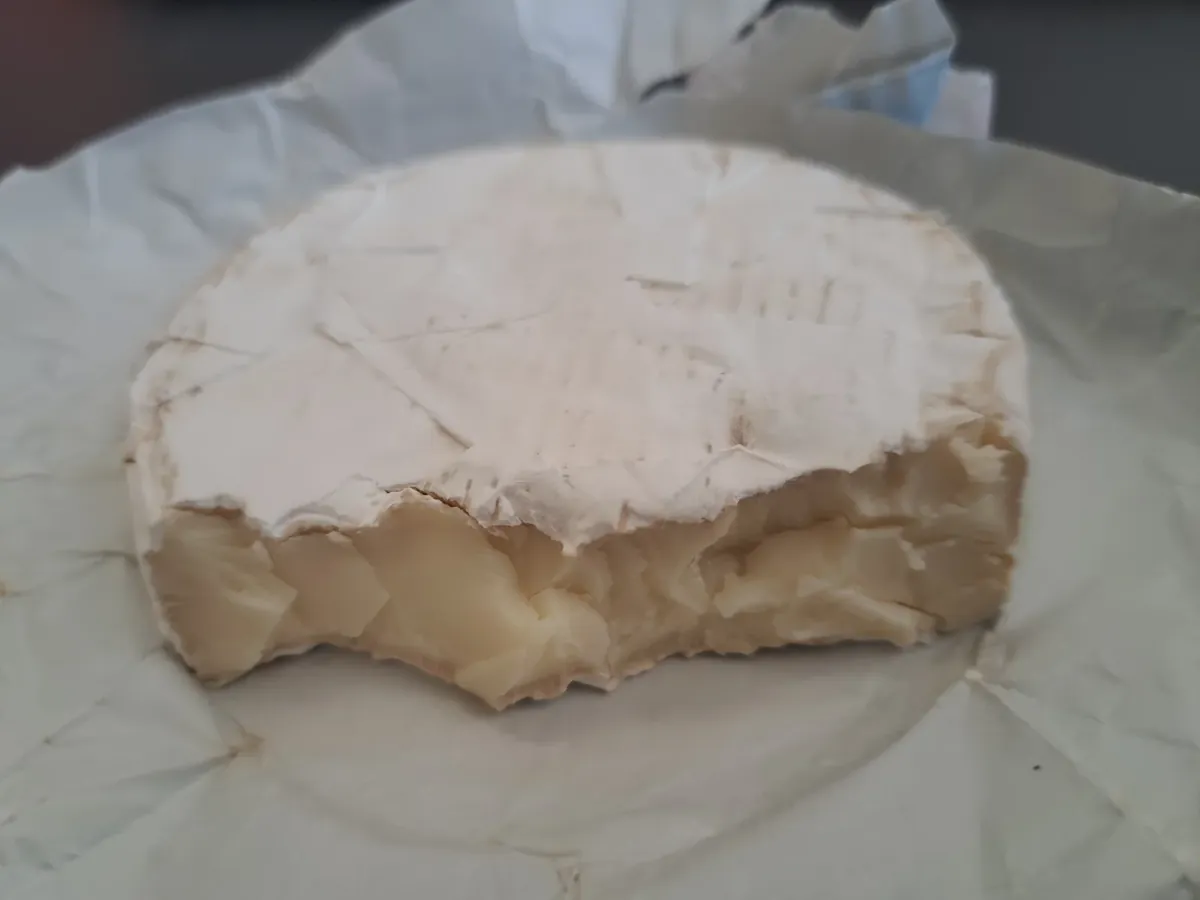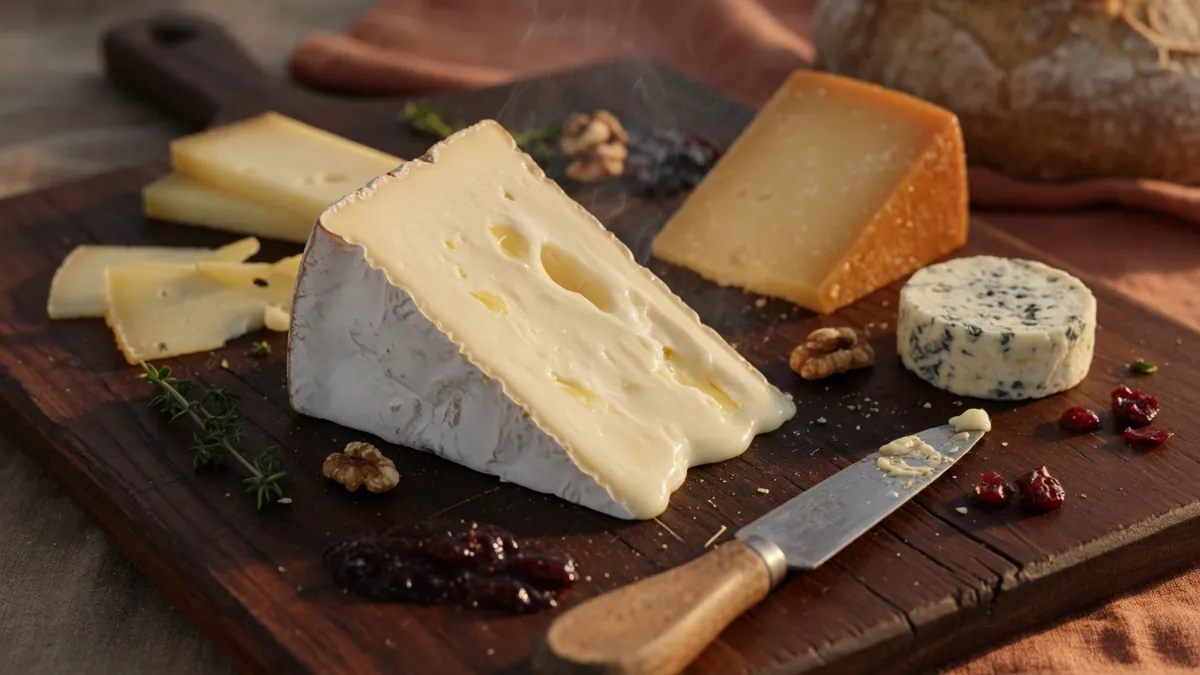
The French Alps are home to some of the world's most spectacular scenery and some of its most deeply cherished dairy traditions. Among the pantheon of Alpine cheeses, Reblochon stands out not only for its rich, nutty flavor and incredibly creamy texture but also for its fascinating history of rebellion. Today, it is best known as the essential, melty star of tartiflette, the ultimate après-ski comfort dish.
The History of the "Second Milking"
The origins of Reblochon date back to the 13th century in the Thônes valley of Haute-Savoie. During this era, landowners and abbots would tax peasant farmers based on the volume of milk their herds produced. When the tax collectors arrived to measure the yield, the farmers would deliberately not milk their cows entirely, resulting in a lower measured volume and a lower tax burden.
Once the collectors departed, the farmers would perform a second milking (known in the local dialect as "reblocher," meaning to pinch the cow's udder a second time). This second batch of milk was smaller in volume but exceptionally rich in fat and cream. Because the milk could not be added to the communal vats without arousing suspicion, the farmers used it immediately to produce small, soft wheels of cheese for their own consumption. Thus, Reblochon was born out of clever tax evasion.
Production and AOC Certification
Authentic Reblochon is fiercely protected by an Appellation d'Origine Contrôlée (AOC) designation, ensuring it is only produced in specific areas of the Haute-Savoie and Savoie regions. It must be made from the raw, unpasteurized milk of specific local cow breeds, primarily the Abondance, Tarine, and Montbéliarde.
The cheese is lightly pressed, shaped into small discs, and aged in cellars on spruce boards for at least two weeks. During aging, the rind is washed with brine, which encourages the growth of specific bacteria that give the cheese its characteristic saffron-colored rind and distinct, earthy aroma. The interior pate is ivory, incredibly supple, and melts beautifully.
Tartiflette: The Ultimate Comfort Food
While Reblochon is magnificent on a cheese board, its destiny was forever changed in the 1980s with the popularization of tartiflette. Interestingly, tartiflette is not an ancient alpine recipe; it was developed by the Reblochon trade union to boost sales of the cheese.
The recipe is a masterpiece of rich, comforting ingredients. Sliced potatoes are parboiled and layered in a baking dish with smoky lardons (bacon), caramelized onions, a splash of white wine, and heavy cream. The dish is then crowned with an entire wheel of Reblochon, sliced in half horizontally and placed rind-side up. As it bakes, the cheese melts down through the potatoes, creating a bubbly, golden, intensely savory gratin that is the perfect antidote to a cold day on the ski slopes.
Related: French Dairy History, Raw Milk Cheese