If you were to milk a cow and leave the bucket sitting undisturbed, you would quickly notice a separation occurring. Within hours, a thick layer of yellowish cream would float to the top, leaving skim milk below. For centuries, this separation was accepted as a natural characteristic of milk. However, in modern supermarkets, gallons of milk sit on shelves perfectly uniform and white. This consistency is entirely thanks to a mechanical process known as homogenisation.
The Physics of the Homogeniser
Milk is an emulsion, meaning it consists of fat globules suspended in a water-based liquid. Naturally, these fat globules vary in size and are lighter than the surrounding liquid, causing them to rise to the surface. Homogenisation prevents this by physically altering the size of the fat globules.
Invented in the late 19th century by Auguste Gaulin, the homogeniser is essentially a high-pressure pump. Raw milk is forced through extremely narrow tubes or valves under immense pressure (often exceeding 2,500 to 3,000 pounds per square inch). When the milk exits the narrow valve, the sudden drop in pressure, combined with intense turbulence and sheer force, shatters the large fat globules into millions of microscopic particles. These new, tiny fat droplets are so small that they remain evenly suspended in the liquid indefinitely, unable to clump together and rise to the top.
Benefits for the Dairy Industry
The introduction of homogenisation revolutionized the dairy industry. It vastly improved the shelf life and aesthetic appeal of milk, ensuring that consumers received a consistent product without the need to vigorously shake the bottle before pouring. Furthermore, homogenisation made large-scale dairy operations more efficient, as milk from different herds with varying fat contents could be mixed and standardized into uniform batches of whole, two percent, or skim milk.
From a culinary perspective, homogenised milk behaves differently than raw milk. It possesses a whiter color due to the increased scattering of light by the greater number of fat particles. It also has a richer, creamier mouthfeel and is less prone to developing oxidized, off-flavors.
The Creamline Revival
Despite its ubiquitous presence, there is a growing movement of dairy purists and artisan farmers who advocate for non-homogenised, or "creamline," milk. These advocates argue that the high-pressure mechanical shattering of fat molecules damages the natural structure of the milk, potentially altering its digestibility and flavor profile.
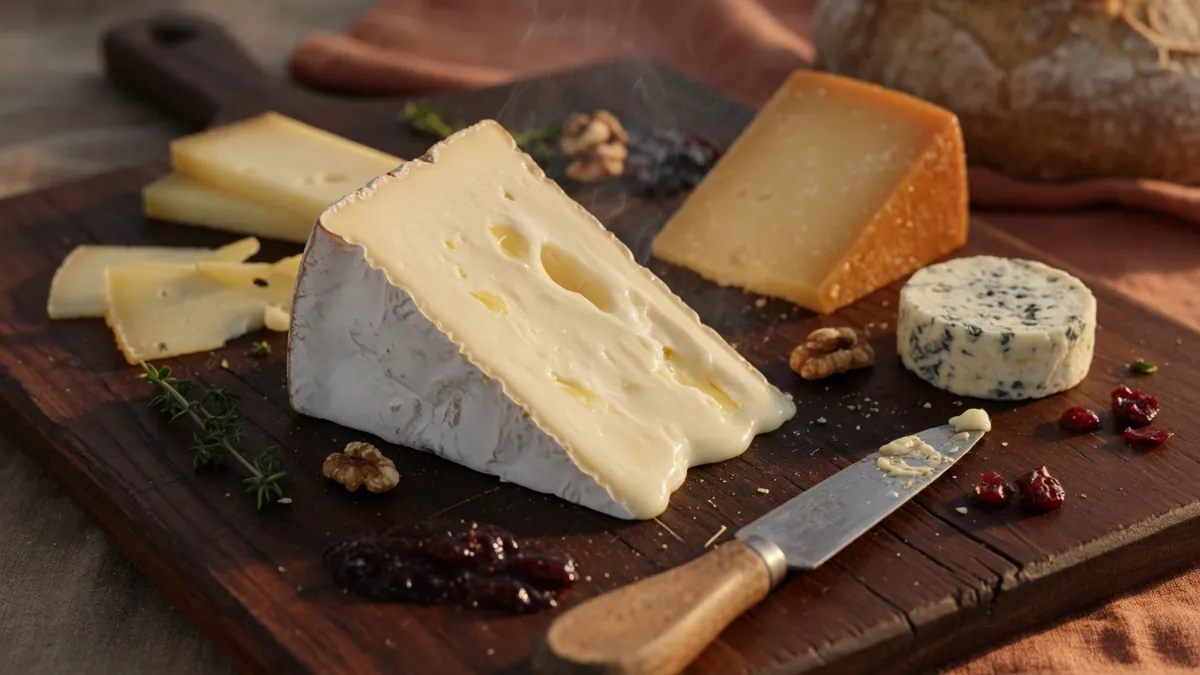
Artisan cheesemakers specifically avoid homogenised milk. The shattered fat globules and altered protein structures do not coagulate properly when rennet is added, resulting in a weak curd that produces inferior cheese. For those looking to make cheese at home or simply enjoy milk in its most natural state, seeking out minimally processed, low-temperature pasteurized creamline milk from a local dairy is the best choice.
Related: Dairy Science, Milk Processing