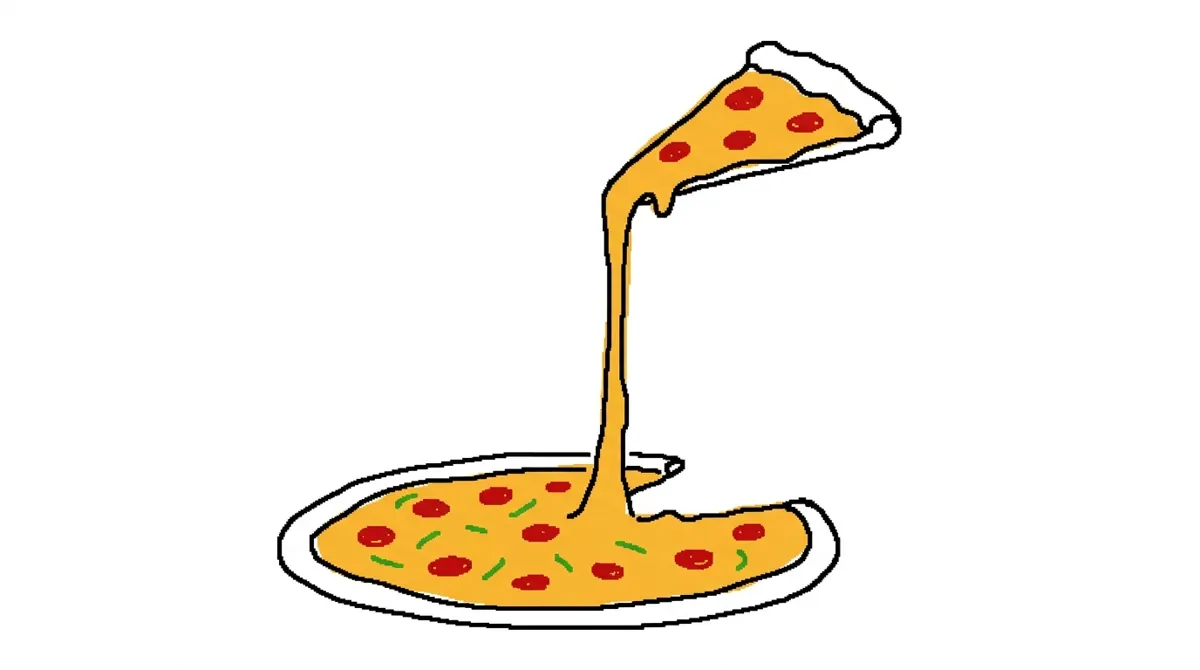
There is one food moment that can hypnotize the entire internet: the pizza slice lifts, the cheese stretches into a glistening rope, and for a second everyone forgets their problems. Then you try it at home — same idea, bread, heat, cheese — and the result looks personally offended. Sometimes it leaks oil. Sometimes it turns to rubber. Sometimes it just sits there, refusing to melt like it hired a lawyer. So why does mozzarella flow into a golden blanket while halloumi can stand on a grill like a tiny dairy brick? The answer isn't magic. It's the secret architecture inside the cheese.
Cheese is a tiny city, not a solid block
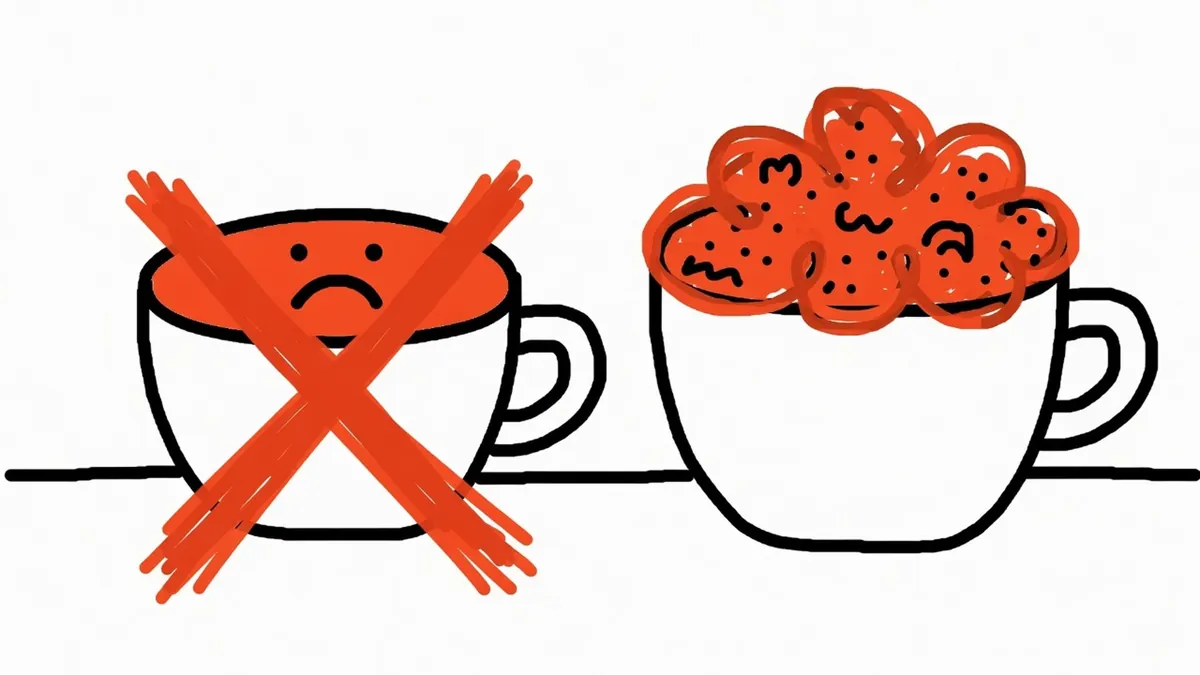
Stop picturing cheese as one uniform lump. It's more like a microscopic city built from four materials: milk proteins, fat, water, and calcium. The main builders are the casein proteins. In milk they drift around in clusters called micelles — little protein blobs held together, in part, by calcium phosphate. When milk becomes cheese, those blobs link into a continuous protein network, and that net traps droplets of fat and pockets of water. That net is everything: how tightly it's bonded decides whether your cheese melts, stretches, or refuses to budge.
What "melting" actually is
Heat a meltable cheese gently and three things happen at once: the fat softens and starts to flow, the trapped water loosens the structure, and the casein bonds relax enough for the whole network to slide. The proteins don't disappear — they just stop holding so tightly, so the cheese moves like a thick liquid. Push it further and the proteins can re-tighten and squeeze out fat and water, which is why an overheated cheese "breaks" into a greasy, grainy mess.
The two dials: calcium and acidity
Two factors do most of the work. The first is calcium — the cross-links that glue casein together. Cheeses made so that some calcium is removed (like good low-moisture mozzarella) have a looser, more mobile protein network that flows and stretches when warm. The second is acidity (pH), set during make. Get the pH into the right window and the proteins are primed to align into those famous stretchy fibers; too acidic and the curd turns short and crumbly instead.
Moisture and fat are the supporting cast: water mobilizes the network and fat lubricates the flow. A drier, leaner cheese resists melting; a moist, fattier one yields more easily.
Why halloumi stands its ground
Some cheeses are engineered not to melt — and that's a feature. Grilling cheeses like halloumi (and paneer, and queso para freír) are made so their protein network sets firmly and stays put under heat. Often they're produced at a higher pH and with a structure that holds calcium cross-links tightly, sometimes with a heat or brine step that further locks the proteins. So when you put them on a grill, the outside browns and the inside softens — but the net never lets go. The cheese keeps its shape because its architecture was built to.
How to win at home
Most home melt failures come down to the cheese, not the cook. For a glorious pull, pick a young, moist, lower-calcium cheese (good mozzarella, a melting cheddar, fontina, Gruyère). Grate it so it heats evenly, melt it gently — low and slow beats blasting heat — and don't cook it so long that the proteins tighten and weep oil. And if you want cheese that holds its shape in a pan, reach for halloumi or paneer on purpose. Different jobs, different architecture.
Sources & further reading
- Kindstedt, P. S. — research and writing on the science of mozzarella, pasta-filata stretching, calcium, and melt (e.g., Cheese and Culture; mozzarella functionality studies).
- Lucey, J. A., Johnson, M. E. & Horne, D. S. (2003). "Invited review: Perspectives on the basis of the rheology and texture properties of cheese." Journal of Dairy Science 86(9), 2725–2743.
- Dairy-science references on casein micelles and calcium phosphate cross-linking, and on the heat stability of grilling cheeses (halloumi, paneer).
- Harold McGee, On Food and Cooking — accessible chapters on milk proteins, cheese, and melting behavior.
Milkiry — the science of milk, the craft of cheese, and the cultures behind it. Watch the episode and subscribe.