A great cheese board is not a pile of cheese on a plank. It is a structured selection of flavours, textures, and accompaniments designed to work together and to give guests a journey across the full spectrum of what dairy can offer. The principles are straightforward once you understand them: choose cheese from at least three different style categories, plan the right quantities, serve everything at room temperature, and surround the cheese with accompaniments that complement rather than compete. This guide covers everything from the fundamental rules to seasonal variations, budget tiers, and the practicalities of what can be prepared the night before.
The Rule of Cheese Categories
The cheese world is commonly divided into six style categories. For a satisfying board, choose cheese from at least three of them. Five categories is the benchmark for a memorable spread.
- Fresh: Unaged, high-moisture, mild. Burrata, ricotta, chèvre (fresh goat), labneh, buffalo mozzarella. Characterised by milkiness and a clean, lactic flavour.
- Soft-ripened: Bloomy rind, creamy paste. Brie de Meaux, Camembert de Normandie, Brillat-Savarin, Saint-Marcellin. Rich, buttery, mushroomy.
- Washed rind: Orange-pink rind, pungent aroma, often milder taste than the smell suggests. Époisses, Taleggio, Reblochon, Limburger. Best for adventurous eaters.
- Semi-hard: The broadest category. Gruyère, Comté, Gouda (young to aged), Manchego, Havarti, Emmental. Nutty, yielding, broadly appealing.
- Hard: Long-aged, crystalline, intense. Parmigiano Reggiano (24+ months), Aged Gouda (48 months), Pecorino Romano, Mimolette, aged Cheddar. Sharp, complex, satisfying in small amounts.
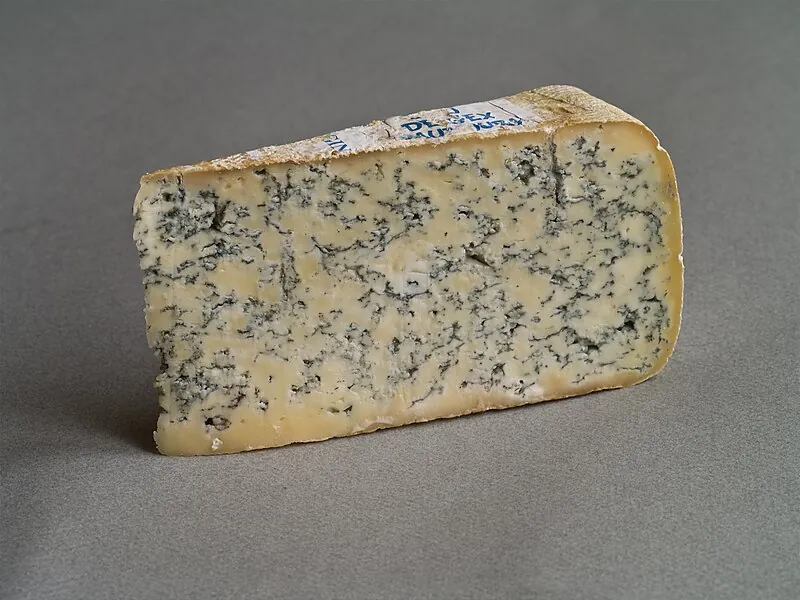
- Blue: Mould-ripened veined cheeses. Roquefort, Stilton, Gorgonzola Dolce, Cashel Blue. Pungent, salty, ranges from creamy to crumbly. Not for everyone; include for adventurous guests and pair with something sweet.
Quantities
Quantities depend on context:
- Starter or pre-dinner nibble: 80 to 100g of cheese per person.
- Main course (cheese as the focus): 150g per person.
- Generous board for a party: 120g per person if other food is also present.
Divide the total weight across your chosen cheeses, allowing more of the crowd-pleasers (a good Comté, an aged Cheddar) and less of the more challenging options (a ripe Époisses, a strong blue). Roughly 30% of the total in semi-hard or hard cheese, 25% soft-ripened, 20% blue, and the remainder split between fresh and other styles works well as a starting framework.
Temperature: The Non-Negotiable Rule
All cheese must be served at room temperature. This is not a suggestion: cold suppresses aroma compounds and firms the fat in the paste, producing a muted, uninteresting flavour and a waxy or rubbery texture. Remove cheese from the refrigerator at least one hour before serving, ideally 90 minutes in a cool room. In a warm room (above 22°C), 45 minutes is sufficient.
The improvement between a cold cheese and the same cheese at room temperature is dramatic. If you have ever thought a cheese was dull or bland from a shop and then found it excellent at a restaurant, temperature is almost certainly the reason.
Accompaniments
Cheese is only part of the board. Accompaniments lift it from a plate of dairy to an experience.
Charcuterie: Prosciutto di Parma, saucisson sec, bresaola, or Jamón Ibérico. Salty cured meat and rich cheese are natural partners. Allow 30 to 40g of charcuterie per person if including it.
Cornichons and pickled onions: The sharpness of good French cornichons (Maille or Hengstenberg are reliable brands) cuts through fat and cleanses the palate between cheeses. Essential, not optional.
Honeycomb: A piece of cut honeycomb is arguably the single most effective addition to a cheese board. Its sweetness and beeswax texture are extraordinary with blue cheese and aged hard cheese alike. Alternatively, use a dark, floral honey such as buckwheat or chestnut.
Quince paste (membrillo): The classic partner to aged Manchego, but works beautifully with aged Cheddar, Comté, and Pecorino. Its sweet-tart, jammy quality balances salt and fat.
Crackers and bread: Offer both a neutral cracker (a good water cracker or unsalted Carr's) and sliced sourdough or a baguette. Heavily flavoured crackers (rosemary, seaweed, very seedy) compete with the cheese. Keep the vehicle simple.
Fruit: Fresh grapes (red and green) are the classic. Sliced pear and apple are excellent with hard cheeses. Dried figs and dates work well with blue cheese and aged Gouda. Fresh figs, when in season, are exceptional with any creamy cheese.
Nuts: Toasted walnuts with blue cheese and soft-ripened; toasted almonds or hazelnuts with hard cheese. Keep them lightly salted or plain.
Cheese Suggestions at Three Price Points
Budget board (under £30 / $35 for 4 people): Anchor mature Cheddar, President Brie, Danish feta, a Gouda (even a young supermarket version works), and whipped cream cheese as the fresh element. This covers four categories creditably.
Mid-range board (£50–£70 / $60–$80 for 6 people): A well-aged Comté (24-month from a good deli), Brie de Meaux (when available), a Manchego Reserva, Gorgonzola Dolce, and a fresh burrata or chèvre. Five categories, universally appealing, and genuinely impressive.
Special-occasion board (£90–£120+ / $110–$140+ for 8 people): Époisses de Bourgogne (washed rind, transported in its box), Brillat-Savarin (triple-cream, extraordinary richness), a 24-month Parmigiano Reggiano (purchase a chunk and break it, never slice), Roquefort AOP, Aged Gouda (36 to 48 months, crystalline and caramel-sweet), and burrata. This is a complete and unforgettable board.
Wine Pairing Logic
The core principle is weight matching: pair light wines with delicate cheeses, and fuller wines or sweet wines with powerful cheeses. A muscular Cabernet Sauvignon will overwhelm a gentle brie; a delicate Pinot Grigio will be flattened by an aged Époisses.
- Fresh and soft-ripened: Champagne, Crémant, Chablis, dry Riesling, Beaujolais.
- Semi-hard: White Burgundy (Chardonnay), aged Chenin Blanc, lighter reds such as Côtes du Rhône.
- Hard and aged: Aged Rioja Reserva, Barolo, Amontillado Sherry.
- Blue: Sauternes (the textbook pairing with Roquefort), Tawny Port with Stilton, Pedro Ximénez Sherry with Gorgonzola Dolce.
- Washed rind: Alsatian Gewürztraminer, Trappist ale, Belgian saison.
Seasonal Boards
A summer board emphasises freshness: burrata with torn basil and a thread of good olive oil, watermelon slices alongside fresh feta, a light chèvre, younger Gouda, and a cornichon-heavy pickle selection. Serve with rosé or a light sparkling wine.
A Christmas board leans into richness and celebration: Stilton (purchase a whole one and serve with a spoon), aged Cheddar, Brie de Meaux, a walnut-coated soft cheese, smoked salmon alongside the charcuterie, cranberry sauce, and dark honeycomb. Port is the traditional accompaniment.
What Can Be Prepped the Day Before
Most of a cheese board can be prepared the night before. Arrange charcuterie, portion crackers, pre-cut the honeycomb, and plate accompaniments (cornichons, nuts, dried fruit) in small bowls. Cover the whole arrangement tightly with cling film and refrigerate. Remove 90 minutes before guests arrive. Only add fresh fruit, fresh bread, and the cheese itself at the last moment: sliced baguette goes stale quickly and fresh fruit browns.
Children's Cheese Boards
A children's-friendly version replaces the blue and washed-rind cheeses with mild Edam, young Gouda, mozzarella pearls, and a cream cheese. Swap cornichons for carrot sticks and cucumber slices, add apple slices, grapes, and a mild honey. Offer breadsticks and plain crackers. This satisfies adult guests who want mild options while keeping the visual abundance of a proper board.
Board Material: Wood, Slate, or Marble
Wooden boards are the classic choice. They are warm, easy to carve, and gentle on knives. Avoid softwoods that absorb strong smells; acacia, maple, and walnut boards are all good choices. Slate boards provide a dramatic visual contrast with pale cheeses but can be cold in winter. Marble is beautiful but heavy and cold: less practical for everyday use. Whatever the material, it should be clean and dry. A lightly oiled wooden board develops a pleasant patina over time and should never go in the dishwasher.
Related: Brie and Camembert: France's Greatest Soft Cheeses Explained | Blue Cheese: Roquefort, Stilton, Gorgonzola, and the World's Greatest Mould-Ripened Cheeses