Cheese and wine have been paired together for at least two thousand years. Roman writers including Virgil and Columella described serving fresh cheese with wine at meals, and medieval European monasteries that produced both became the original centres of pairing expertise. Today the combination anchors everything from casual dinner parties to Michelin-starred cheese courses. Yet for all the tradition surrounding the pairing, a great deal of conventional wisdom about it is wrong, and the actual science of why certain combinations work is more interesting than the folk rules that dominate most guides.
The Science of Cheese and Wine Interactions
When you eat cheese and drink wine together, several chemical interactions happen simultaneously. Fat, protein, and salt in cheese directly alter how your palate perceives wine's structural elements: tannins, acidity, and alcohol.
Fat and Tannins
Tannins are polyphenolic compounds found primarily in red wine, derived from grape skins, seeds, and oak aging. They bind to proteins in saliva (proline-rich proteins) and create the dry, astringent sensation characteristic of young Cabernet Sauvignon or Nebbiolo. The fat in cheese physically coats the mouth and the proline-rich proteins in saliva that tannins bind to, reducing the perception of astringency. This is why cheese can make a tannic red wine taste less harsh. However, the effect depends heavily on the fat content and texture of the cheese. A fatty, semi-hard cheese like Aged Gouda provides significant tannin buffering; a light fresh chèvre (goat cheese) with minimal fat provides much less.
Salt and Acidity
Salt suppresses bitterness and acidity perception. Aged cheeses with higher salt content (Parmigiano-Reggiano, aged Manchego, Pecorino Romano) can make a highly acidic wine taste rounder and more balanced. This is why salty blue cheeses like Roquefort pair effectively with sweet wines such as Sauternes: the salt suppresses the perception of both the wine's sweetness and the cheese's bitterness simultaneously, creating a complex equilibrium.
Protein and Alcohol
High protein content in cheese can moderate the perception of alcohol heat in wine. Dry-aged cheeses with concentrated protein (Comté, Gruyère, extra-aged Cheddar) provide enough protein binding to make high-alcohol wines (above 14 percent ABV) taste less burning. This allows wines like big Rhône reds or Californian Chardonnay to integrate more gracefully when served with a cheese course than they might on their own.
The Core Pairing Principles
1. Match Regional Origins Where Possible
The single most reliable pairing heuristic is geographic: wine and cheese that come from the same region tend to work together because they co-evolved in the same culinary context. Chablis with the mild, chalky local goat cheeses of Burgundy. Rioja Tempranillo with Manchego from La Mancha. Sancerre with Loire Valley chèvre. Chianti with Pecorino Toscano. Albariño from Rías Baixas with Tetilla, the mild creamy cheese from Galicia. These combinations are not accidents; generations of local food culture selected them because they work at the table.
2. Balance Intensity
A delicate, subtle wine will be overwhelmed by a pungent, assertive cheese. A blockbuster wine will overwhelm a mild, delicate cheese. Match the intensity of both elements. Light-bodied, low-tannin wines (Pinot Grigio, Beaujolais, dry Riesling) suit fresh, mild, and young cheeses. Full-bodied, highly structured wines (Cabernet Sauvignon, Barolo, Syrah) suit aged, firm, or intensely flavoured cheeses.
3. Contrasting Elements Can Work
Not all great pairings are about similarity. The contrast of salty-sweet (blue cheese with Sauternes) and the contrast of richness-acidity (creamy Brie with Champagne) are both based on difference rather than likeness. High acidity in wine cuts through fat and refreshes the palate, making the next bite of cheese taste as vivid as the first. This is the logic behind pairing fatty, rich cheeses with high-acid wines like Chablis, Champagne, or Prosecco.
Specific Pairing Recommendations
Fresh and Young Cheeses
Cheeses in this category include fresh mozzarella, burrata, ricotta, fresh chèvre, fromage frais, and mascarpone. These are high in moisture, low in salt, and mild in flavour. Their delicate lactic freshness is best complemented by wines with good acidity and moderate body. Recommended pairings:
- Fresh mozzarella or burrata: Pinot Grigio from Friuli-Venezia Giulia, Vermentino di Sardegna, or Greco di Tufo. The clean, mineral character of these Italian whites mirrors the clean, milky freshness of the cheese.
- Fresh chèvre (goat cheese log): Sancerre or Pouilly-Fumé (Sauvignon Blanc from the Loire). This is arguably the most celebrated cheese-wine pairing in France, and justifiably so. The herbaceous, citrusy character of Loire Sauvignon Blanc locks precisely with goat cheese's tanginess.
- Ricotta: Dry Prosecco or a light Soave. The gentle bubbles and apple-pear fruitiness provide contrast without overwhelming the cheese's subtle flavour.
Soft-Ripened Cheeses
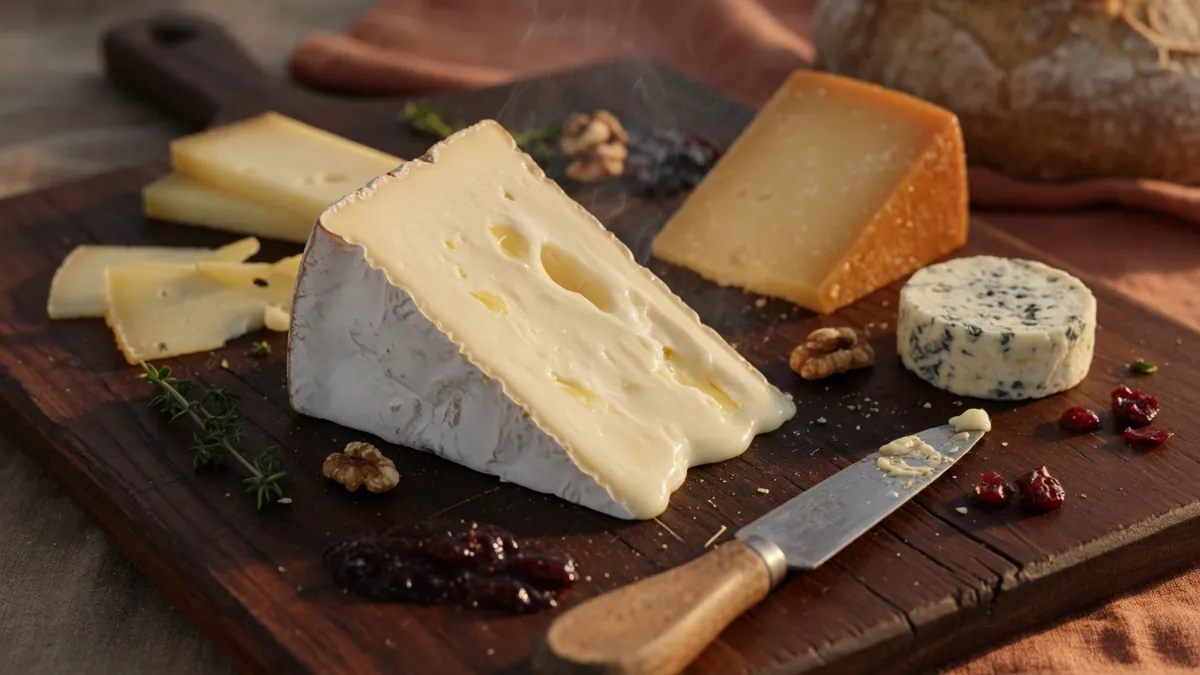
Brie, Camembert, Coulommiers, Brillat-Savarin, and similar cheeses have a white bloomy rind, a runny or oozy interior, and flavours ranging from buttery and mushroomy (young) to garlicky, ammonia-tinged, and pungent (very ripe). The high fat content and earthiness create specific wine challenges.
- Young Brie or Camembert: Champagne or other high-quality Crémant is the classic choice. The bubbles cut through fat; the brioche and green apple notes of Champagne complement the cheese's mushroomy earthiness. A Blanc de Blancs Champagne (100 percent Chardonnay) is particularly good.
- Ripe, pungent Brie or washed-rind camembert: Light, fruity reds such as Beaujolais Villages or a young Pinot Noir from Burgundy or Oregon. Avoid heavy reds here; they clash with the ammonia-like compounds in very ripe soft-ripened cheese.
- Brillat-Savarin (triple cream): Vintage Champagne, particularly Blanc de Noirs. The extra fat in triple-cream cheese calls for maximum acidity and complexity in the wine.
Semi-Hard Cheeses
This broad category includes Gouda (young and aged), Havarti, Edam, Jarlsberg, Fontina, Comté, Gruyère, and young Cheddar. These are the most food-friendly cheeses for wine pairing because their moderate fat, salt, and flavour intensity accommodates a wide range of wines.
- Comté (12-24 months): White Burgundy (Chardonnay) from Mâcon or Côte de Beaune. The nutty, sweet, umami complexity of aged Comté is a natural counterpart to Chardonnay's toasty, buttery oak and ripe stone fruit character. Alternatively, a light-bodied Jura wine (Savagnin or Chardonnay from the Jura) respects the regional pairing principle.
- Aged Gouda (over 18 months): Rich, amber-coloured aged Gouda with its crunchy tyrosine crystals and toffee notes pairs beautifully with Amontillado or Oloroso Sherry. The oxidative, nutty character of the wine mirrors the cheese's caramelised, crystalline quality. Port and aged Gouda is another classic combination.
- Gruyère: Dry Alsatian Riesling or Pinot Gris. The wine's mineral backbone and off-dry stone fruit cut through Gruyère's richness without competing with its complex savoury notes.
Hard Aged Cheeses
Parmigiano-Reggiano (24+ months), Pecorino Romano, aged Manchego (Curado or Viejo), Grana Padano, Sbrinz, and similar cheeses are low in moisture, high in salt and umami, and often carry crystalline texture from tyrosine amino acid clusters. Their intensity demands wines with structural confidence.
- Parmigiano-Reggiano: Lambrusco Grasparossa di Castelvetro, a lightly sparkling red from Emilia-Romagna, is the traditional regional pairing. The bubbles, tannin, and slight sweetness of quality Lambrusco balance the Parmesan's saltiness and fat perfectly. For a non-regional option, Barolo or Barbaresco respects the cheese's intensity.
- Aged Manchego: Rioja Reserva (Tempranillo-based) or Ribera del Duero. The savoury, slightly lanolin quality of sheep-milk Manchego locks with the dried fruit and cedar notes of aged Spanish red.
- Pecorino Romano: Vermentino, Cannonau di Sardegna (Sardinian Grenache), or Montepulciano d'Abruzzo. These rustic, characterful Italian wines match the sheep cheese's assertive saltiness.
Blue Cheeses
Roquefort, Gorgonzola Piccante, Stilton, Fourme d'Ambert, Bleu d'Auvergne, and Cashel Blue are among the most challenging cheeses for wine pairing because of their intense salty, pungent, and sometimes bitter flavour. The most reliable strategy is contrast: sweetness counteracting saltiness and bitterness.
- Roquefort: Sauternes from Bordeaux. This may be the single most celebrated cheese-wine pairing in the world. The sweet, botrytised Sémillon and Sauvignon Blanc of Sauternes, with its notes of honey, apricot, and candied citrus, counterbalances Roquefort's fierce saltiness and mouldy intensity. Premier Cru Sauternes such as Château Rieussec or Château Guiraud at $50 to $120 per half-bottle is the gold standard, though Monbazillac from the Bergerac appellation offers similar style at lower price.
- Stilton: Vintage Port. The British tradition of Stilton and Port is not mere convention; the tawny sweetness and dried fruit character of LBV or Vintage Port genuinely harmonises with Stilton's earthy, salty complexity. Taylor Fladgate, Graham's, and Fonseca produce reliable bottles from £20 to £60.
- Gorgonzola Dolce: Vin Santo from Tuscany, or a late-harvest Riesling Auslese from the Mosel. The mild sweetness of these wines suits young, creamier Gorgonzola better than the rich, intense Sauternes that suits more pungent blue cheeses.
The Red Wine Trap
Most people default to red wine with cheese, in part because cheese and charcuterie boards are often served alongside red wine at parties and restaurants. In reality, white wine is generally more food-friendly with cheese than red. The reason is tannins: tannins from red wine react with proteins in cheese (and saliva) to produce metallic, bitter, astringent sensations that the wine's fruit cannot overcome. Young, highly tannic reds such as young Bordeaux, young Barolo, or big Napa Cabernet often clash with all but the most aged and fatty cheeses.
The exceptions are soft, fruity, low-tannin reds: Beaujolais (Gamay), light Pinot Noir, Valpolicella Classico, and Bardolino all have enough tannin to provide structure without the astringency that creates problems. If you want to serve red wine with a mixed cheese board, choose from these lighter styles rather than the bold reds that are otherwise popular.
Practical Tips for Cheese Board Pairing
When assembling a mixed board for several guests with one or two wines, the goal is wines that bridge multiple cheeses rather than perfect one-on-one pairings. Champagne, Sancerre, light Pinot Noir, and off-dry Riesling are the most versatile choices for mixed boards. Structure the board from mild to pungent (younger cheeses at one end, aged and blue at the other) so guests can taste in order and experience how the same wine interacts differently with each cheese.
Serve cheese at room temperature: refrigerator-cold cheese mutes aromatic compounds that make both the cheese and the wine pairing come alive. Remove cheese from the refrigerator at least 45 minutes before serving, ideally an hour to 90 minutes for larger or harder pieces.
Related: How to Build the Perfect Cheese Board | Aged Gouda: What Makes It Different from Young Gouda | Blue Cheese: A Complete Tasting Guide