Bovine colostrum has moved from the margins of sports nutrition into mainstream wellness culture at remarkable speed. Brands like Armra have built multi-million-dollar businesses on it. Podcasters and longevity researchers discuss it alongside more established interventions. The global bovine colostrum market, valued at approximately $2.8 billion in 2022, is projected to exceed $3.5 billion by 2028, according to a 2023 report by Grand View Research. But the science supporting its claimed benefits varies considerably by application: some uses have solid clinical backing, others are supported by preliminary evidence only, and a few claims have little basis beyond marketing copy.
What Colostrum Actually Is
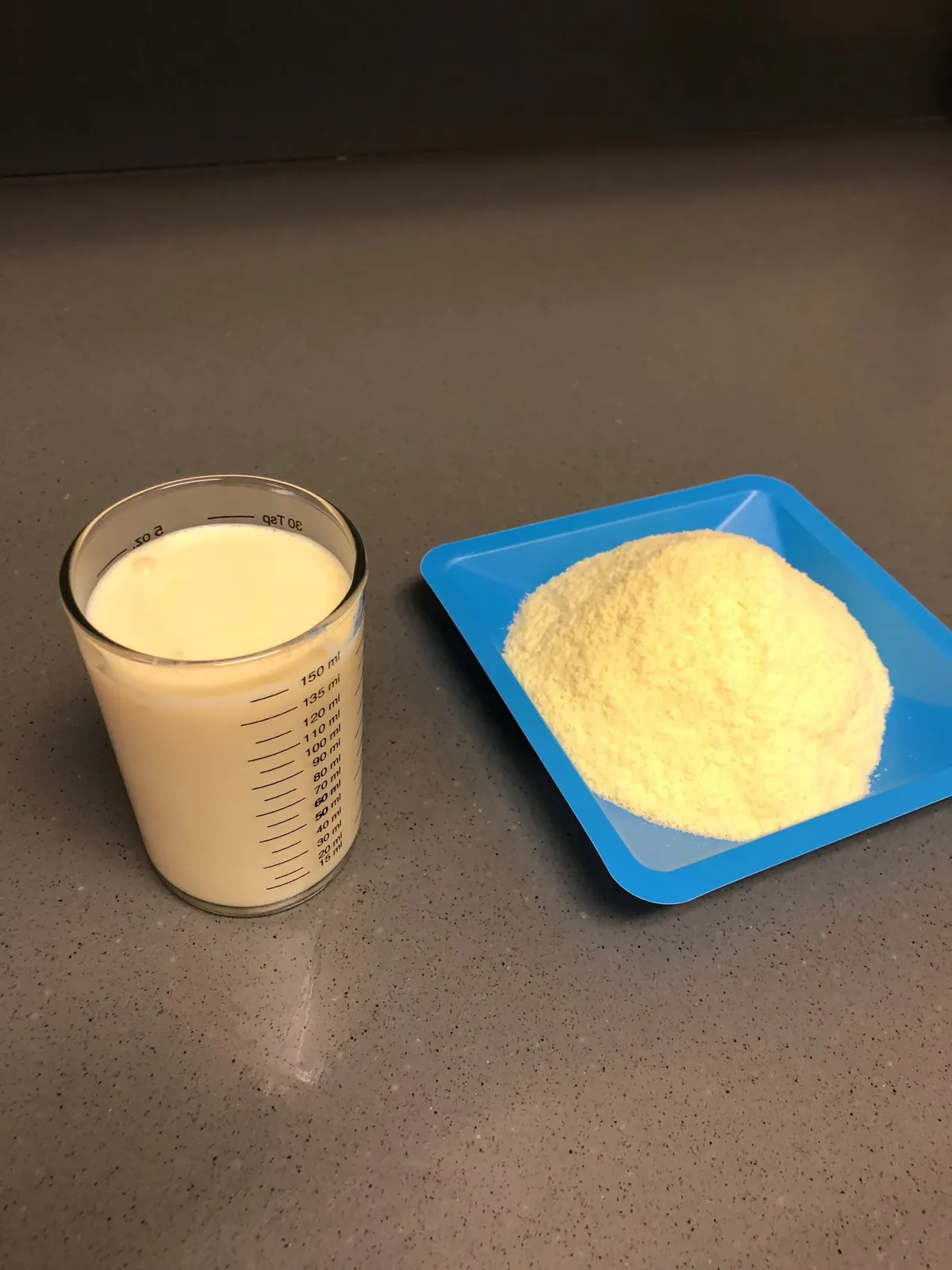
Colostrum is the specialised milk produced by mammals in the first 24 to 72 hours after giving birth, before normal milk production begins. It is biologically distinct from mature milk in almost every parameter. Where mature bovine milk contains around 3.5% protein, colostrum contains 14% or more. Its colour is deep yellow or golden, caused by high concentrations of beta-carotene.
The biologically active components that make colostrum of interest to researchers and supplement makers include:
- Immunoglobulins: IgG, IgA, and IgM antibodies that in calves transfer passive immunity from the mother. Bovine colostrum is particularly rich in IgG, which can constitute up to 80% of total immunoglobulin content.
- Lactoferrin: An iron-binding glycoprotein with documented antimicrobial and immunomodulatory activity. Bovine colostrum contains 1.5 to 5mg/mL of lactoferrin versus 0.1 to 0.2mg/mL in mature milk.
- Growth factors: Insulin-like growth factor 1 (IGF-1), transforming growth factor beta (TGF-beta), and epithelial growth factor (EGF). These signal tissue growth and repair in neonates.
- Proline-rich polypeptides (PRPs): Also called colostrinin, these peptides have immunomodulatory properties and have been studied in the context of cognitive health.
- Cytokines, nucleotides, and oligosaccharides that collectively support immune function and microbiome establishment in newborns.
The Gut Permeability Evidence
The most credible clinical evidence for bovine colostrum supplementation in adults relates to gut permeability, sometimes called "leaky gut" in popular usage. A randomised controlled trial published in Gut in 2016, by Playford et al. at King's College London, found that bovine colostrum supplementation reduced gut permeability by 60% in healthy volunteers who had been given indomethacin (an NSAID known to increase gut permeability as a side effect). The colostrum dose used was 125mL of liquid colostrum daily. Participants showed significant reductions in lactulose-to-mannitol ratio, the standard marker for intestinal permeability, compared to placebo.
This is a meaningful result. NSAIDs are one of the most common causes of gut permeability changes in adults, and a natural intervention that mitigates this effect has clinical relevance. Whether the same benefit extends to people without NSAID-induced permeability is less well established; the study was not designed to test that question.
A 2021 review in Nutrients by Rathe et al. examined 51 human studies on bovine colostrum and concluded that the evidence for gut permeability benefits was "promising but heterogeneous," with the strongest findings in NSAID-induced models and in critically ill patients.
Immunity Claims: What the Evidence Shows
The question of whether oral bovine immunoglobulins survive digestion well enough to exert systemic effects is fundamental and still contested. Most IgG is digested in the stomach and small intestine before it can be absorbed intact. Studies suggest that approximately 30 to 40% of colostrum immunoglobulins survive gastric passage, particularly when coated or microencapsulated, but systemic IgG levels in supplemented adults do not typically rise measurably.
The likely mechanism for any immune benefit is therefore local rather than systemic: immunoglobulins act within the gut lumen, neutralising pathogens and toxins at the mucosal surface. Several trials have shown reductions in upper respiratory tract infections in athletes taking bovine colostrum, including a notable trial by Crooks et al. published in Nutrition Journal in 2010, where athletes taking 10g/day of colostrum for eight weeks reported significantly fewer days of upper respiratory illness than placebo.
Athletic Recovery and IGF-1
Bovine colostrum contains meaningful concentrations of IGF-1. A 2002 meta-analysis by Antonio et al. in Nutrition reviewing six RCTs found modest but significant improvements in lean body mass and strength gains in athletes supplementing with colostrum compared to whey protein controls. The IGF-1 content is the proposed mechanism, though the quantities absorbed intact through the gut are likely very small.
Crucially, bovine colostrum is not prohibited by the World Anti-Doping Agency (WADA). WADA reviewed the evidence and concluded that colostrum supplementation does not raise serum IGF-1 levels in athletes to a degree that would constitute doping. It remains on WADA's monitored list but is not banned.
Forms: Powder vs Capsule
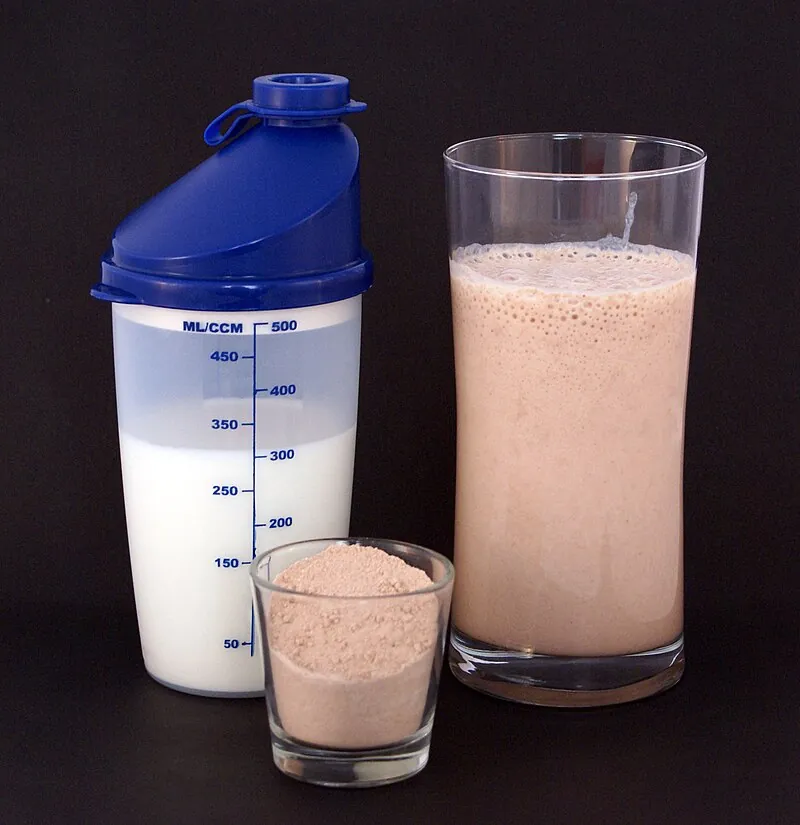
Bovine colostrum supplements are available in powder form, capsules, and liquid concentrates. Powder generally delivers higher doses per serving and is easier to mix into smoothies or warm (not hot) liquids. Capsules are more convenient but the dose per capsule is often only 400 to 500mg, making it necessary to take many capsules to reach the research-supported doses of 20 to 40g per day.
Heat processing is a concern: high-temperature pasteurisation can denature immunoglobulins and growth factors. Better manufacturers use low-temperature pasteurisation and specify that immunoglobulin content is tested and guaranteed per batch.
Leading Brands
Several brands have established themselves in the bovine colostrum market:
- Armra: The most prominent US brand by consumer awareness in 2023 and 2024. Uses "cold-chain bioactive colostrum" processed at low temperatures. Subscription model at around $90 per month for a 30-serving supply. Popular in wellness and longevity circles.
- Sovereign Laboratories: One of the longer-established US colostrum brands, offering CaloMelts (dissolving tablets) and powder. Uses a "Liposomal Delivery" system intended to protect immunoglobulins from digestion.
- Bulletproof: Primarily known for its coffee brand, Bulletproof offers a colostrum supplement targeting the performance and biohacking market.
- Organic New Zealand Colostrum (ONZC): Sourced from New Zealand grass-fed cows, often cited for quality due to New Zealand's strict animal welfare and farming standards.
Dosing
Studies showing meaningful effects have generally used 10 to 60g per day of powdered colostrum. The 20 to 40g range is most commonly cited in clinical contexts. Most commercial products, particularly capsule forms, are dosed far lower than this, which may explain inconsistent consumer results. If gut permeability or immune support is the goal, working with a clinical dose (20g+ of powder daily) is more consistent with the research than two or four capsules.
Who Should Be Cautious
People with a diagnosed dairy allergy should avoid bovine colostrum, as it contains the same casein and whey proteins as milk. A lactose intolerance is generally less of a concern because colostrum is relatively low in lactose, but individuals with severe intolerance should start with a small dose.
People with certain autoimmune conditions should consult a physician before supplementing. Colostrum's immunomodulatory effects are mostly stimulatory, and this could theoretically be counterproductive in conditions where immune activity is already elevated, such as lupus or rheumatoid arthritis.
Ethical Sourcing
A legitimate concern about bovine colostrum supplements is whether supplementation competes with the nutritional needs of calves. Ethical producers collect only excess colostrum after the calf's needs are met, typically the second and third milkings after the calf has received sufficient colostrum from the first milking. Reputable brands specify this on their packaging or website. Consumers who prioritise animal welfare should look for this assurance before purchasing.
Grass-fed and pasture-raised sourcing (common in New Zealand and Australian products) is also associated with higher concentrations of bioactive components, including higher IGF-1 and immunoglobulin content, compared to colostrum from confined feeding operations.
Related: Casein Protein: The Slow-Release Dairy Supplement Explained | Dairy and Cholesterol: What the Latest Research Actually Shows