The relationship between menopause and bone health is well established, and dairy sits at the centre of the dietary response. Oestrogen is a potent inhibitor of osteoclast activity (the cells that break down bone tissue), and when oestrogen levels fall sharply at menopause, bone resorption accelerates. Women lose an average of 2–3% of their bone mineral density per year in the first five years after the final menstrual period, a rate that slows but does not stop in the years beyond. Against this backdrop, dietary calcium becomes critically important, and dairy remains the most bioavailable and practically accessible source for most women. But the evidence goes beyond simple calcium arithmetic. A landmark 25-year study published in JAMA Internal Medicine suggests that fermented dairy, particularly yogurt, offers bone-protective effects that extend well beyond its calcium content alone.
Why Calcium Requirements Increase at Menopause
The UK NHS recommends 700mg of calcium per day for adults under 50. After menopause, that recommendation rises to 1,200mg per day, a figure endorsed by the National Osteoporosis Society (now the Royal Osteoporosis Society) and consistent with guidance from the International Osteoporosis Foundation. The increase reflects two changes: the accelerated bone resorption driven by oestrogen loss, and a parallel decline in the efficiency of intestinal calcium absorption (which is itself partly regulated by oestrogen).
To reach 1,200mg of calcium from food each day, dairy is the most practical route for most women. A rough daily intake that meets the target might look like this:
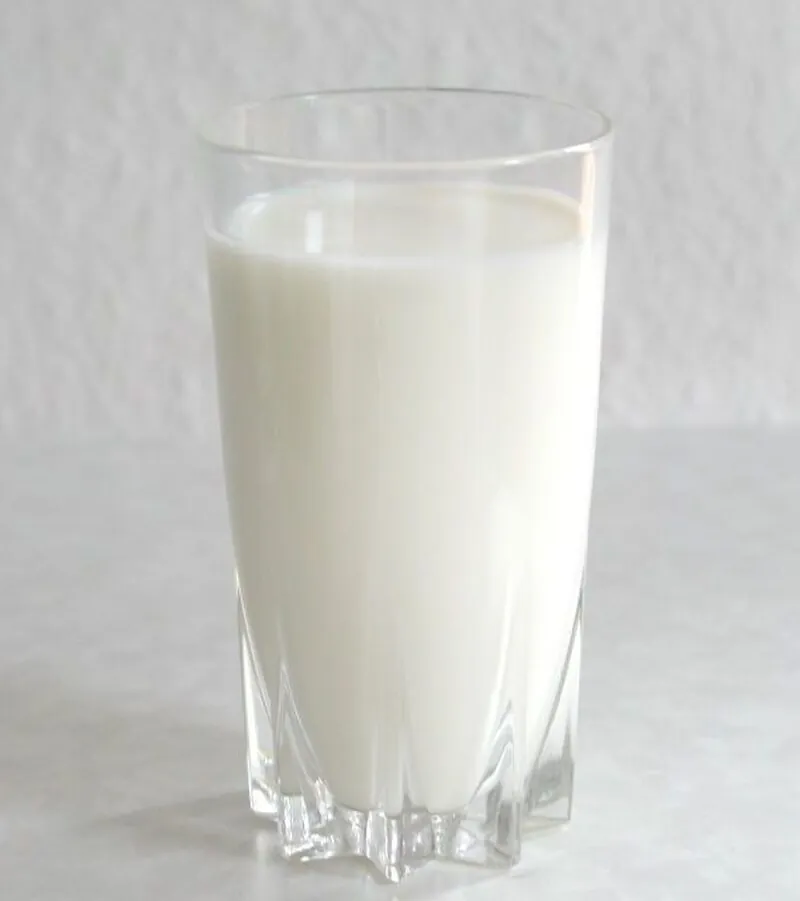
- 250ml whole milk: 300mg calcium
- 125g plain full-fat yogurt: 200mg calcium
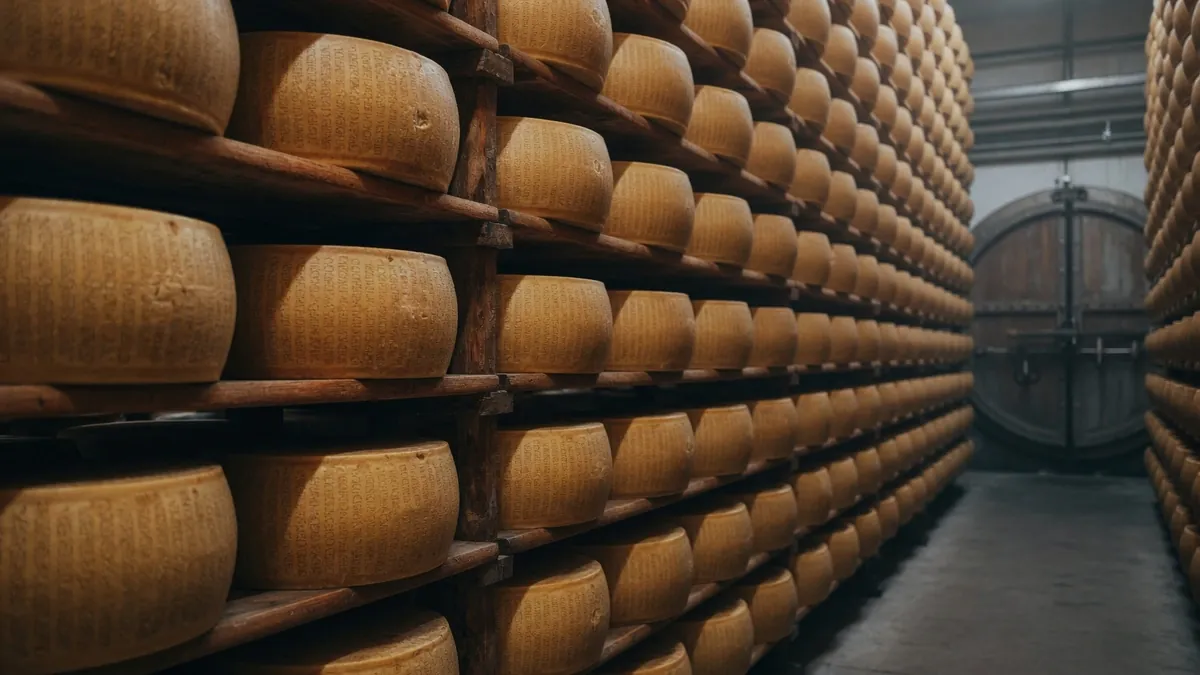
- 30g hard cheese (cheddar, Parmesan): 200–240mg calcium
Those three servings together provide 700–740mg. Adding fortified foods (fortified oat milk in coffee, fortified bread, canned sardines with bones providing 350mg per 100g tin) allows a woman who eats some but not large quantities of dairy to reach the target without supplementation.
Vitamin D: The Essential Partner
Calcium absorption is meaningless without adequate vitamin D. Vitamin D is required for the active transport of calcium across the gut wall via the calcium-binding protein calbindin. Without sufficient vitamin D, calcium absorption falls from approximately 30–40% efficiency to 10–15%, meaning that a woman taking in 1,200mg of dietary calcium may be absorbing effectively the same amount as someone consuming 600mg with good vitamin D status.
For women over 65, the NHS recommends 10 micrograms (400 IU) of vitamin D daily from supplements, particularly during October to March when synthesis via sunlight is insufficient at UK latitudes. The Royal Osteoporosis Society recommends 10–20 micrograms (400–800 IU) for postmenopausal women specifically. Some specialists advocate higher doses (25–50 micrograms) for women with confirmed deficiency (serum 25-hydroxyvitamin D below 25 nmol/L), but doses above 100 micrograms per day carry toxicity risk and should only be used under medical supervision.
Dairy foods are not a significant natural source of vitamin D, with the exception of some fortified milks and yogurts. UK and European dairy is less consistently fortified than US dairy (where virtually all commercial milk is fortified with vitamin D). Check labels when choosing dairy products specifically for their vitamin D contribution.
The JAMA Internal Medicine Yogurt Study
In 2020, a study published in JAMA Internal Medicine reported findings from the Nurses' Health Study, a prospective cohort study following more than 100,000 US women over 25 years. Researchers examined the association between yogurt consumption and hip fracture risk, using dietary data collected repeatedly over the follow-up period.
The finding: women who consumed two or more servings of yogurt per week had a significantly lower risk of hip fracture compared with women who consumed yogurt rarely or never. Critically, this association remained statistically significant after adjusting for total calcium intake, vitamin D intake, body mass index, physical activity, smoking, and hormone therapy use. This means the protective association was not simply explained by the calcium in yogurt: something else in yogurt, beyond its calcium content, appears to reduce fracture risk.
The researchers proposed several candidate mechanisms: the bioactive peptides produced during yogurt fermentation, which have demonstrated effects on bone metabolism markers in smaller trials; the live bacterial cultures, which may influence calcium absorption via gut microbiome modulation; and the specific food matrix of yogurt, which may improve the bioavailability of its calcium compared with calcium in other foods or supplements.
This study does not prove causation. Cohort studies cannot do that. But the findings are consistent with a growing body of evidence suggesting that the fermentation matrix adds bone-protective value beyond calcium, and they support the case for making yogurt specifically, not just any dairy, a routine part of the postmenopausal diet.
HRT and Dairy: Does Hormone Replacement Therapy Change the Calculation?
Women on hormone replacement therapy (HRT) have meaningfully reduced rates of bone loss because oestrogen replacement partially compensates for the oestrogen decline driving accelerated resorption. A 2022 systematic review in Climacteric (the journal of the International Menopause Society) confirmed that HRT is the most effective intervention for preventing postmenopausal bone loss in women who begin it early in the transition.
However, HRT does not eliminate the need for adequate calcium and vitamin D intake. First, HRT works with available calcium: if dietary calcium is insufficient, bone formation is limited regardless of oestrogen status. Second, not all women can or choose to use HRT (contraindications include a history of oestrogen-receptor-positive breast cancer, certain cardiovascular conditions, and personal preference). Third, bone density benefits of HRT diminish significantly when HRT is stopped, meaning dietary strategies remain important as long-term foundations even for women who do use hormone therapy.
Hot Flushes, Sleep, and Dairy
A common concern among women approaching menopause is whether dairy worsens vasomotor symptoms such as hot flushes and night sweats. The clinical evidence does not support this worry. No well-designed intervention study has found that dairy consumption increases hot flush frequency or severity.
There is a plausible positive signal in the other direction: milk contains tryptophan, a precursor to serotonin and melatonin. The idea that warm milk before bed aids sleep predates scientific nutrition, but a small number of controlled trials (including a 2022 pilot study in postmenopausal women) found that a standardised evening dairy intake modestly improved sleep onset and sleep quality measures. The effect size is small and the evidence is preliminary, but there is no evidence that dairy worsens sleep or hot flush symptoms.
Phytoestrogens in dairy (isoflavone-like compounds from plant feed components present in trace amounts in milk) are sometimes cited as a potential concern. The concentrations in commercial dairy are too low to produce clinically relevant oestrogenic effects in adults, and no study has shown measurable hormonal changes from dairy consumption attributable to phytoestrogens in food-realistic quantities.
Practical Daily Dairy Targets for Postmenopausal Women
The following daily dairy framework supports the 1,200mg calcium target while providing the fermentation matrix benefits identified in the JAMA yogurt study:
- Breakfast: 150–200g plain full-fat yogurt (180–240mg calcium) with fruit and seeds. Greek yogurt is an excellent choice for its higher protein content (17g per 200g serving).
- During the day: 250ml whole or semi-skimmed milk in coffee, tea, or as a drink (300mg calcium).
- With meals: 30g hard cheese (cheddar, Gruyère, or Parmesan) in cooking or on a cheese board (200–240mg calcium).
This baseline provides 680–780mg from dairy alone. Supplemented by fortified foods, green vegetables, and fish with bones, the 1,200mg target is achievable without supplementation for most women.
For women who cannot meet the target through diet alone, a calcium carbonate supplement (the cheapest and most widely available form, with 40% elemental calcium) or calcium citrate (better absorbed on an empty stomach, preferable for women with low stomach acid) taken with meals and vitamin D provides a reliable top-up. The UK NHS recommends that supplements should not exceed 500mg per dose, as larger single doses are less efficiently absorbed; splitting supplemental calcium across two doses is preferable to a single large dose.
Non-Dairy Calcium Sources for Women Who Avoid Dairy
For women who avoid dairy for any reason, the following non-dairy sources provide significant calcium. Note that bioavailability varies: calcium from dairy is absorbed at approximately 30–35% efficiency; calcium from plant sources ranges from 5% (spinach, due to oxalates) to 30–35% (kale, bok choy, fortified plant milks).
- Fortified oat milk or soy milk (240mg per 250ml, similar to cow's milk)
- Canned sardines with bones (350mg per 100g tin)
- Firm tofu made with calcium sulphate (200–300mg per 100g; check label)
- Kale, bok choy, or pak choi (150–200mg per 100g cooked, high bioavailability)
- White bread (fortified by law in the UK, approximately 100mg per 2 slices)
- Almonds (75mg per 30g serving)
Related: Calcium Supplements vs Dairy: What the Evidence Shows | Dairy and Inflammation: Does Milk Make It Worse or Better?