Halloumi is the cheese that changed what grilling means for a generation of cooks. Originating in Cyprus and protected by a PDO (Protected Designation of Origin) designation since 2021, it is the only cheese that can be seared, grilled, or fried without losing its shape. Its squeaky texture when fresh, its salty brine, and its miraculous resistance to melting have made it a fixture on menus from Beirut to Brooklyn. Understanding why it behaves this way, and how to cook it correctly, transforms it from a novelty into a kitchen staple.
What Makes Halloumi Cypriot
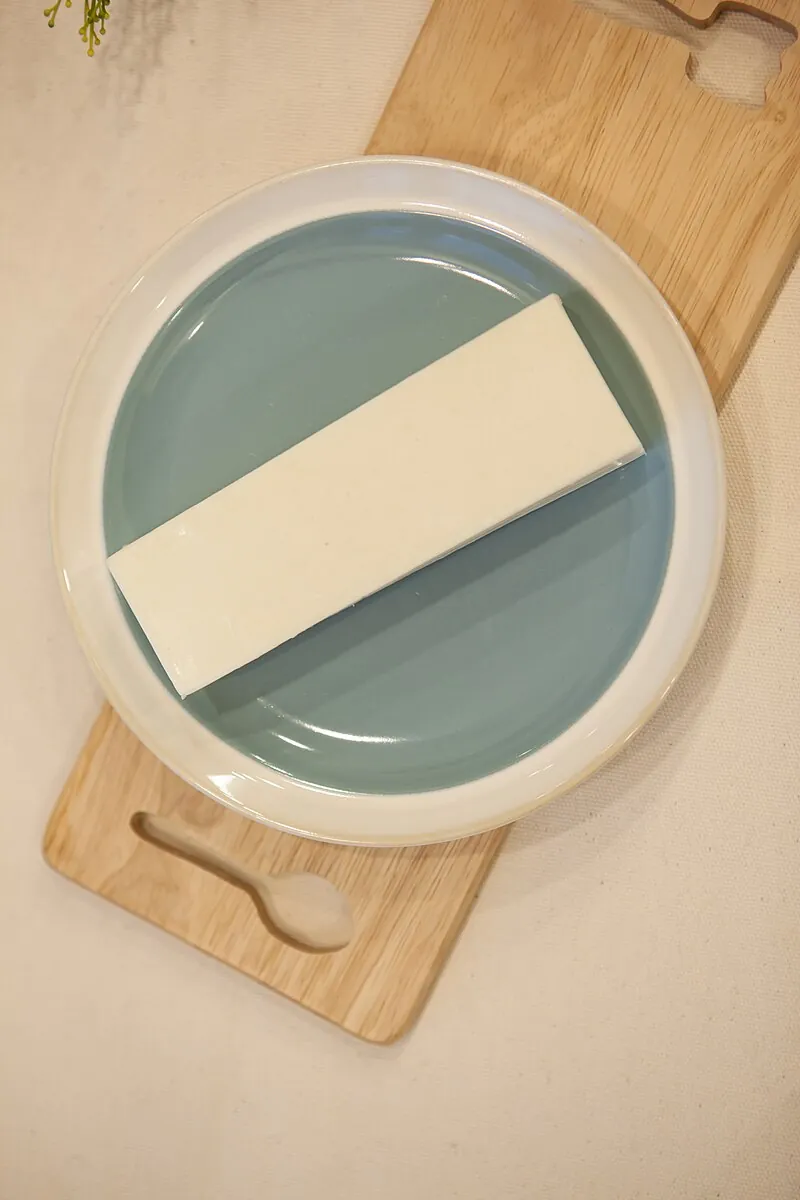
Traditional Cypriot halloumi is made from a mixture of sheep and goat milk, often with a proportion of up to 50% cow's milk in modern commercial versions. The PDO granted by the European Union in 2021 specifies that authentic halloumi must be produced in Cyprus, though the exact milk proportions permitted under the PDO remain a subject of ongoing regulation. The cheese is white and layered, often with dried mint pressed between the layers, a practice that dates back to medieval times when mint served as a natural preservative.
After the curds are formed and pressed, the cheese is cooked briefly in its own whey at around 90°C, then removed, folded, and packed in brine. This cooking step is central to why halloumi behaves as it does under heat. The whey-cooking firms the protein matrix in a way that cold-set cheeses never achieve.
The Science: Why Halloumi Doesn't Melt
Most cheeses melt because heat breaks down the calcium-phosphate cross-links holding the casein protein network together, causing the structure to collapse and flow. Halloumi avoids this for two reasons. First, its pH is relatively high, around 6.8, compared to the 5.1 to 5.3 typical of many melting cheeses like cheddar. At this higher pH, the casein proteins bind calcium more tightly and resist denaturation. Second, the whey-cooking step denatures the whey proteins and causes them to set around the casein network, effectively locking the structure in place before any subsequent heat is applied.
When you put halloumi in a hot pan, the surface browns through the Maillard reaction while the interior simply warms and softens slightly, never losing its form. The result is a golden, slightly crisp exterior with a dense, yielding interior: the culinary equivalent of a paneer that tastes of the sea.
How to Cook Halloumi Properly
The single most common mistake is cooking halloumi in oil. Because the cheese already contains enough fat, adding oil to the pan causes it to fry unevenly and can make it greasy. Use a dry non-stick or cast-iron pan over high heat.
- Slice thickness: Cut slices 1 to 1.5cm thick. Thinner slices dry out before browning properly.
- Heat level: The pan must be properly hot before the cheese goes in. Medium-high to high heat is correct.
- Timing: Two minutes per side is the standard. You are looking for a deep amber-gold colour. Flip once.
- Serving: Eat immediately. Halloumi toughens as it cools and the squeaky texture becomes rubbery rather than pleasantly firm.
On a barbecue, halloumi can go directly on the grates. Brush lightly with oil in this context to prevent sticking on the metal, then grill two to three minutes per side over medium-high direct heat.
Halloumi Fries and Other Trend Preparations
The halloumi fries trend, which emerged in UK restaurants around 2016 and became widespread by 2019, involves cutting the cheese into thick batons and either pan-frying or deep-frying them, then serving with a dipping sauce (sweet chilli and sriracha aioli are common). The method works because the high-heat frying creates a crust within seconds before the interior can heat enough to slump.
Baked halloumi, at 200°C for 15 to 20 minutes, produces a softer result with less browning. It works well in traybakes with tomatoes, courgettes, and chickpeas but lacks the caramelised exterior of a pan-fried version. Halloumi burgers, where a thick slab replaces a beef patty, became a popular vegetarian restaurant staple from around 2017, particularly in the UK where plant-based menu options expanded rapidly through the early 2020s.
UK and US Sales: An Explosion in Popularity
UK halloumi imports grew dramatically in the 2010s. According to the Agriculture and Horticulture Development Board, UK retail sales of halloumi grew by 79% between 2013 and 2018, reaching approximately £68 million annually. By 2022, halloumi had become one of the top-selling specialty cheeses in major UK supermarkets including Tesco, Sainsbury's, and Waitrose. In the United States, growing availability through Trader Joe's, Whole Foods, and Costco drove similar growth, with USDA import data showing a significant increase in Cyprus cheese exports to the US market from 2017 onward.
The vegetarian and flexitarian diet trend drove much of this growth. Halloumi offered the high-protein, texturally satisfying qualities that consumers sought as meat alternatives, without requiring any processed substitutes.
Nutritional Profile
Halloumi is a nutritionally dense food. Per 100g, a typical commercial product such as the Pittas brand or the Waitrose own-label halloumi contains approximately:
- Calories: 316 kcal
- Protein: 26g (making it one of the higher-protein cheeses available)
- Fat: 23g (of which saturated: 16g)
- Sodium: approximately 1,150mg (equivalent to around 2.7g of salt)
- Calcium: 590mg (around 74% of the adult daily reference intake)
The high sodium content is the primary nutritional concern. People on low-sodium diets for blood pressure management should factor this in carefully. The British Dietetic Association recommends that halloumi be treated as an occasional food rather than a daily protein source for this reason.
How to Reduce the Saltiness
Soaking halloumi in cold water for 30 minutes to two hours before cooking draws out a significant portion of the surface salt. Changing the water once during soaking improves the effect. The cheese will not become bland: it retains enough salt internally to season itself during cooking. For strongly salty batches (supermarket versions vary considerably), a two-hour soak is worth the extra time.
Patting the cheese thoroughly dry after soaking is essential. Any surface moisture will cause steaming rather than browning when it hits the hot pan, and the Maillard reaction requires a dry surface.
Storing and Freezing Halloumi
Unopened halloumi in its brine packaging keeps refrigerated until the best-before date, often three to six months. Once opened, submerge the remaining cheese in lightly salted water in an airtight container. It will keep for up to two weeks refrigerated this way.
Halloumi freezes well. Cut into slices or leave whole, wrap tightly in cling film and then foil, and freeze for up to three months. Thaw overnight in the fridge. The texture after freezing is slightly more crumbly than fresh but it browns well and the difference is minimal in cooked applications like halloumi fries or traybakes.
Serving Ideas
Beyond the burger and the fry, halloumi is excellent with:
- Watermelon, mint, and a drizzle of pomegranate molasses (a classic Cypriot summer salad)
- Lemon-dressed lentils and wilted spinach
- Flatbread wraps with roasted red peppers and hummus
- Shakshuka, added in the last five minutes of cooking
- Honey, thyme, and toasted walnuts as a simple starter
A squeeze of fresh lemon immediately after cooking brightens the flavour and cuts through the richness. The combination of salty, caramelised cheese with sharp citrus is one of the simplest and most satisfying pairings in the cheese world.
Related: Goat Cheese: Varieties, Nutrition, and How to Cook with It | Cheese Fondue: The Swiss Classic Made Easy