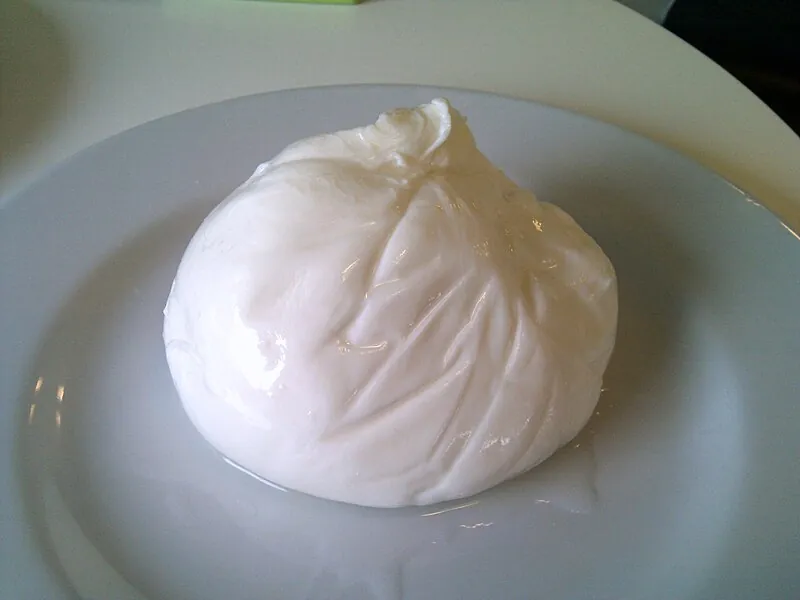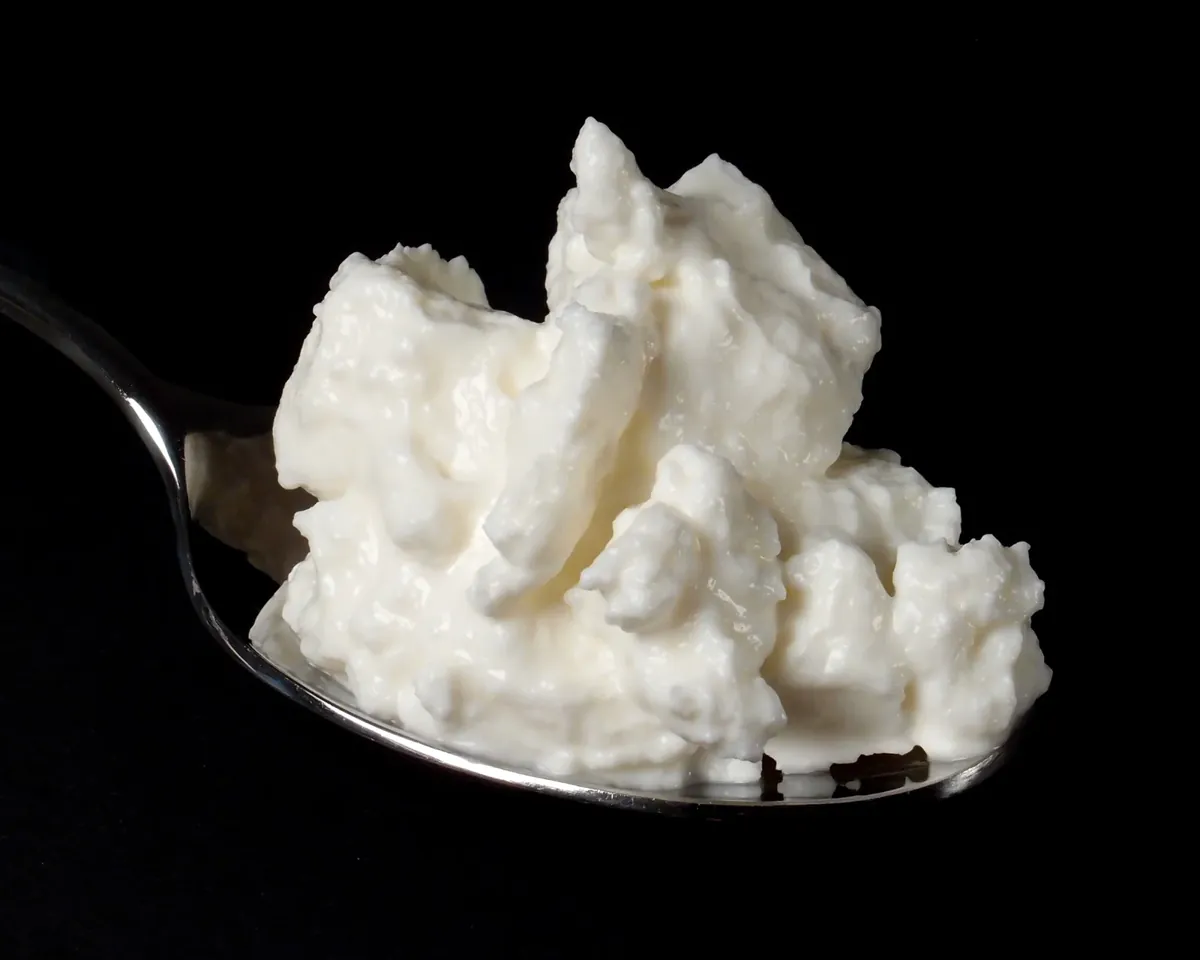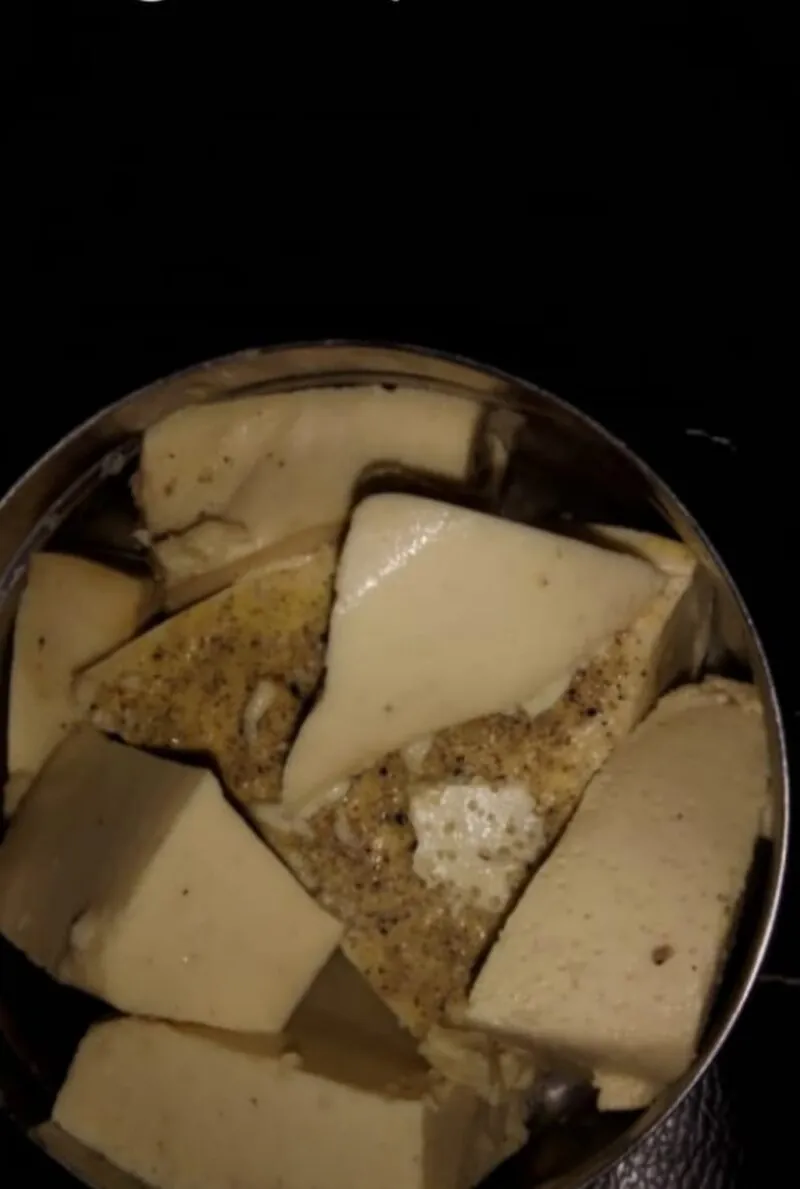
India is one of the world's largest milk producers, but its dairy tradition diverged sharply from the European cheese-making path. Most of the familiar aged cheeses of Europe require rennet (traditionally from animal stomachs) and extended ageing — practices that sat uneasily with Hindu vegetarianism. India developed instead a vast tradition of fresh dairy: ghee, yoghurt, lassi, kheer, mishti doi, and paneer — a fresh, non-melting cheese made by curdling milk with an acid and pressing the curds into a firm block. Simple, vegetarian, protein-rich, and uniquely versatile, paneer has become not merely the cornerstone of Indian vegetarian cooking but one of the world's most consumed fresh cheeses — even though it remains relatively unknown outside the South Asian diaspora.
What Makes Paneer Unique
Paneer's defining characteristic — the one that makes it so culinarily useful — is that it does not melt when heated. Where most cheeses liquefy under heat (mozzarella, cheddar, brie), paneer retains its shape, developing a golden crust when pan-fried or grilled while remaining soft inside. This property, which results from the acid coagulation process (rather than rennet-based coagulation), allows paneer to be cubed and added to curries that cook at high heat, threaded onto skewers for the tandoor, or fried until crisp-edged — without losing its structural integrity.
Nutritionally, paneer is an excellent protein source: approximately 18–20g of protein per 100g (comparable to chicken breast), plus significant calcium, fat, and the B vitamins concentrated in dairy. For hundreds of millions of vegetarian Indians, it is the primary complete-protein food in their diet.
History: When Did Paneer Come to India?
The origins of paneer are debated. One school of thought traces it to Persia and Afghanistan — the word "paneer" is closely related to the Persian/Dari word for cheese — and suggests it arrived with Mughal rulers in the 16th century who introduced the acid-coagulation method. Another argument points to ancient indigenous Indian dairy traditions, noting that Sanskrit texts reference fresh milk curds (though not necessarily pressed into solid blocks).
What is clear is that paneer as a distinct, pressed, block-form fresh cheese became established in northern India during the Mughal period, spreading through the subcontinent over subsequent centuries and adapting to each regional cuisine. Bengal developed its own variant tradition — chhana (the uncompressed curds used in Bengali sweets like rasgulla and sandesh), which became the raw material for an entirely different dairy tradition centred on confectionery.
How to Make Paneer at Home
Paneer is one of the simplest cheeses a home cook can make — a process requiring only milk, an acid, and patience:
- Heat 2 litres of whole milk to just below boiling, stirring to prevent scorching
- Add the acid slowly while stirring: 3–4 tablespoons of lemon juice or white wine vinegar, or 300ml of plain yoghurt. The milk will separate into white curds and yellow-green whey immediately. (Yoghurt produces slightly softer, less tangy paneer; lemon juice produces a firmer, slightly brighter result.)
- Stop heating as soon as separation is complete. Line a colander with muslin or a fine clean cloth.
- Pour the curds through the cloth, then rinse with cold water to stop the cooking and remove acid flavour
- Gather the cloth, squeeze gently, then press under a heavy weight (a pot filled with water works) for 30–60 minutes
- The resulting block can be used immediately or refrigerated in cold water for up to 4 days
2 litres of whole milk produces approximately 400–450g of paneer — roughly equivalent to a commercial block. The remaining whey (do not discard it) can be used in bread-making, soups, or smoothies — it is protein-rich and nutritious.
The Great Paneer Dishes
Palak Paneer
The most internationally recognised paneer dish: cubes of paneer in a smooth, spiced spinach sauce. The contrast of the mild, slightly chewy paneer against the intensely herbal, slightly sharp spinach is one of Indian vegetarian cooking's most elegant pairings. Serves as an ideal introduction to paneer for those unfamiliar with it.
Paneer Tikka
Cubes of paneer marinated in yoghurt with turmeric, chilli, and spices, threaded on skewers and cooked in a tandoor or over charcoal until charred at the edges. The exterior crust, slightly smoky and spiced, contrasts with the soft interior — one of the great Indian appetisers and, grilled over a barbecue, one of the easiest impressive summer dishes.
Paneer Butter Masala (Paneer Makhani)
The restaurant stalwart: paneer in a rich, tomato-cream sauce with aromatic spices. Arguably the most popular paneer dish outside India — and, at its best, one of the genuinely great dishes of any cuisine.
Mattar Paneer
Paneer and green peas in a subtly spiced gravy — one of the most comforting dishes in the North Indian domestic repertoire, simple enough for weeknight cooking and satisfying enough to need nothing alongside it except bread.
Paneer in Bengali Sweets
In Bengal, the fresh uncompressed version (chhana) is kneaded to smoothness and formed into sandesh (flavoured with jaggery, cardamom, or saffron), or cooked into rasgulla — spongy balls of chhana cooked in sugar syrup that represent one of the world's finest milk-based confections and the subject of a fierce rivalry between Bengal and Odisha about who invented them.
Related: Ghee: India's Ancient Clarified Butter | The World's Great Fresh Cheeses