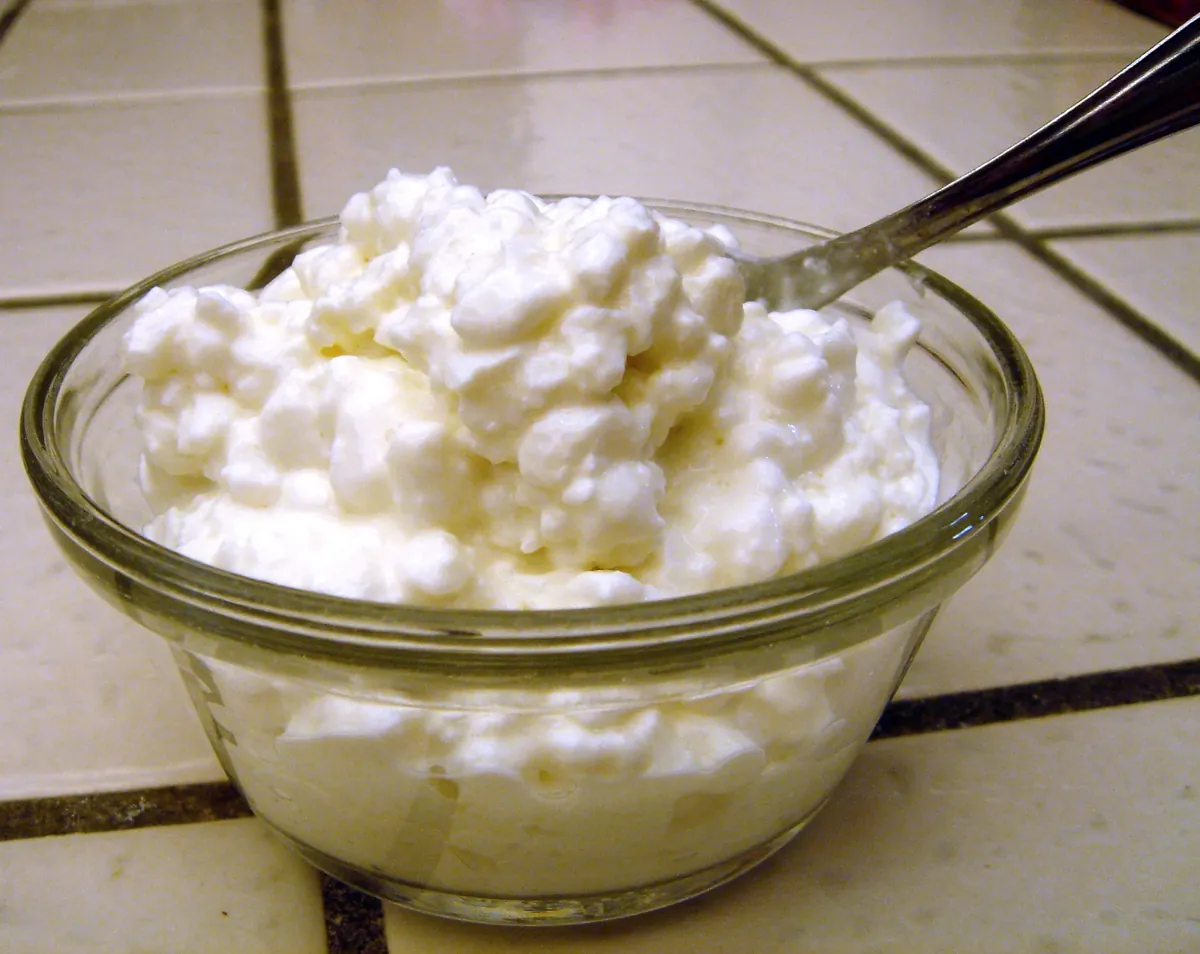
For most of the history of cheesemaking, whey — the thin, greenish-yellow liquid expelled when milk coagulates and the curds are separated — was a problem. Tons of it were produced for every wheel of cheese made, and most of it went to pigs (who thrive on it), was discharged into rivers (causing significant environmental damage), or was simply discarded. It was not until the 1970s and 1980s, when food scientists developed efficient methods to concentrate and dry the protein from whey, that the dairy industry's most abundant byproduct became one of its most valuable products. Today, the global whey protein supplement market is worth approximately $12 billion annually and growing — a complete inversion of whey's historical status.
What Is Whey, Exactly?
When milk is coagulated to make cheese — whether by rennet, acid, or heat — it separates into two components: the curds (the solid proteins and fat that become cheese) and the whey (the liquid that remains). Whey contains:
- The whey proteins: beta-lactoglobulin, alpha-lactalbumin, immunoglobulins, lactoferrin, and others — approximately 0.6–0.7% of fresh whey by weight
- Lactose (milk sugar): approximately 4–5% — the majority of the remaining dry matter
- Minerals: calcium, phosphorus, potassium, magnesium
- Water: approximately 93–94% of the liquid
The whey proteins are the commercially valuable fraction — highly bioavailable, rapidly digested, and containing an exceptionally complete amino acid profile including all nine essential amino acids in quantities well above the human daily requirements.
Types of Whey Protein
Whey Protein Concentrate (WPC)
The basic form: whey is filtered to remove most of the water and lactose, producing a powder with 35–80% protein content (with the remainder being lactose and fat). Standard WPC-80 (80% protein) is the most common commercial form — affordable, reasonably well-tolerated, and suitable for most uses. The remaining lactose means it may cause digestive issues for those with significant lactose intolerance.
Whey Protein Isolate (WPI)
Further filtered (through ion exchange or cross-flow microfiltration) to remove virtually all lactose and most fat, producing a powder with 90%+ protein content. More expensive than concentrate, but nearly lactose-free and slightly faster-absorbing. The choice for those with lactose sensitivity or who want maximum protein per gram of powder.
Whey Protein Hydrolysate (WPH)
Pre-digested: the protein chains are partially broken down enzymatically before drying, producing shorter peptide chains that are absorbed even more rapidly than standard whey. The fastest-absorbing form — used in some clinical nutrition and infant formula applications. Bitter taste, significantly more expensive, and the practical performance advantage over isolate in healthy adults is marginal.
Why Whey Works: The Science
Whey protein has been extensively studied, and its performance effects in exercise contexts are well-established:
- Leucine content: Whey is exceptionally rich in leucine — the specific amino acid that most potently triggers muscle protein synthesis. This, more than any other property, explains whey's effectiveness in post-exercise recovery.
- Rapid absorption: Whey is digested and amino acids appear in the bloodstream within 60–90 minutes of consumption — ideal for the post-exercise window when muscle protein synthesis is elevated
- Complete amino acid profile: All nine essential amino acids, in proportions that closely match human muscle protein composition
- Clinical evidence: Meta-analyses consistently show whey protein supplementation combined with resistance training produces significantly greater increases in lean mass than training alone or training plus other protein sources
Whey in Traditional Foods
Before industrialisation, whey was used in traditional dairy cultures across Europe:
- Ricotta: Made by heating whey (usually with added acid) until the remaining proteins precipitate — ricotta is literally "re-cooked" (from the whey of sheep or cow cheese). The ricotta we buy is not a primary cheese but a secondary product of cheesemaking.
- Mysuostur (Iceland): Whey boiled until most of the liquid evaporates, producing a thick, sweet, caramel-coloured spread — the unique result of lactose caramelisation during reduction. A traditional Icelandic food with a flavour unlike anything else in the dairy world.
- Gjetost/Brunost (Norway): The same principle — whey (often from goat's milk) reduced for hours until it caramelises into a firm, sweet, brown cheese. Norway's national cheese — intensely sweet, slightly fudge-like, eaten thinly sliced with crispbread.
- Ziger/Schabziger (Switzerland): A traditional whey cheese flavoured with blue fenugreek clover, producing a very hard, strongly flavoured green cheese used mainly grated over dishes.
How Much Protein Do You Actually Need?
The evidence-based range for adults engaged in resistance training: 1.6–2.2g of protein per kilogram of body weight per day. For a 75kg person, this is 120–165g of protein — achievable through diet alone (meat, fish, eggs, dairy, legumes) but more conveniently achieved with 1–2 servings of whey protein supplementation per day for those with high training volumes. Protein needs beyond this range are not supported by evidence as providing additional benefit.
Related: The Science of Milk: Nutritional Composition and Health Effects | Dairy and Fitness: What the Research Actually Shows