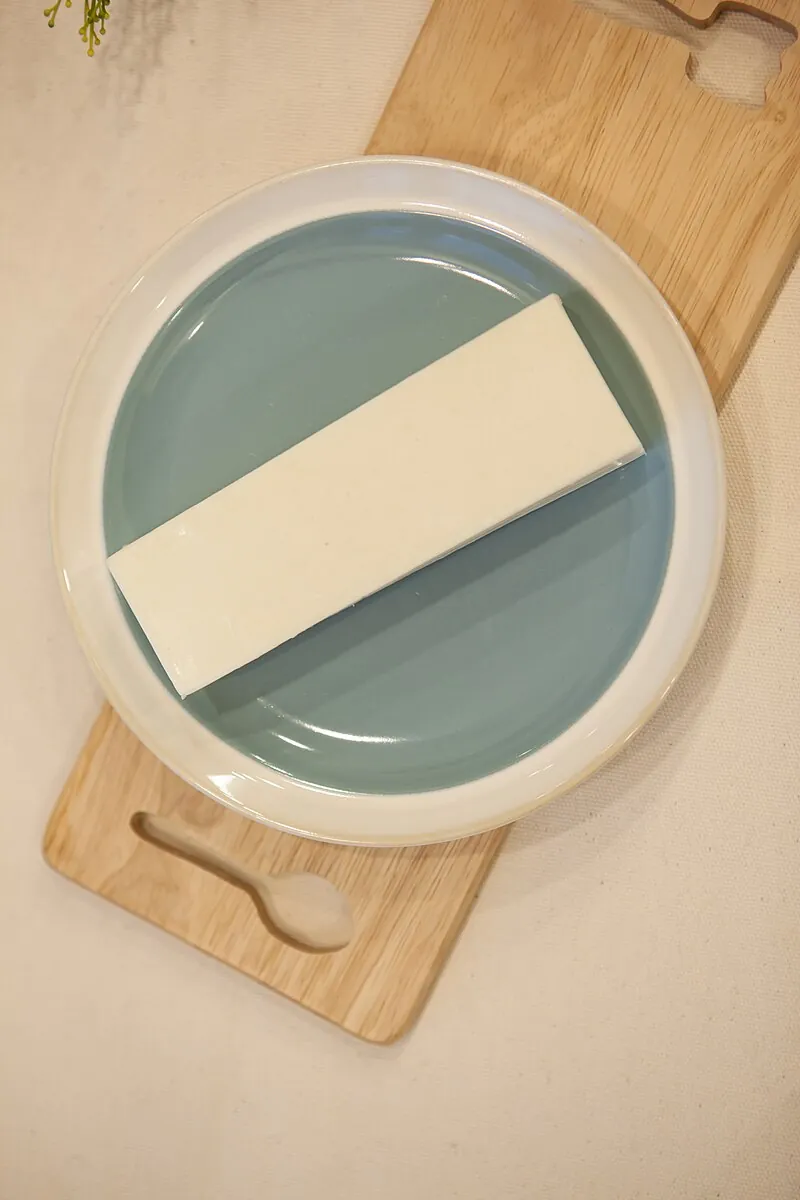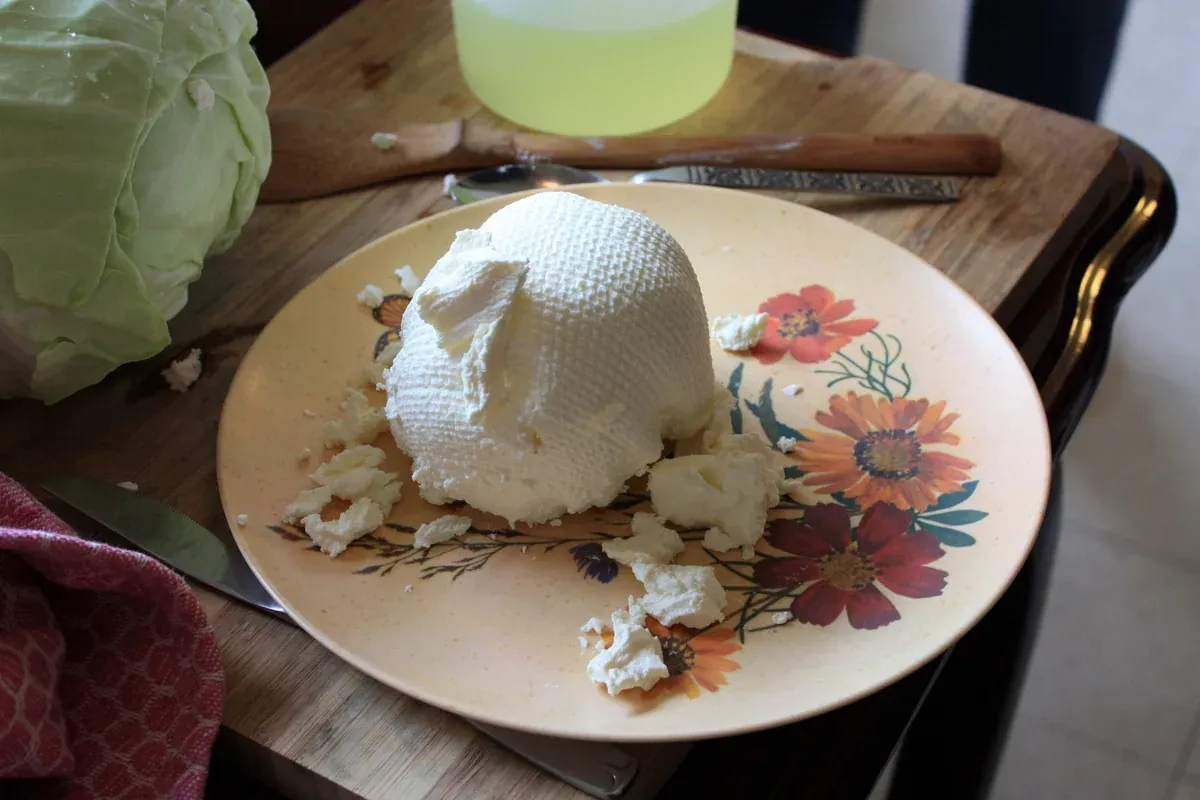
Halloumi is the cheese that can do what most cheeses cannot: sit directly on a hot grill, develop char marks and a golden crust, and still be lifted off intact. The property that makes this possible is not magic but protein chemistry, specifically the way halloumi's production process denatures and cross-links milk proteins into a matrix that resists melting at temperatures that would liquefy cheddar, mozzarella, or brie. That structural quirk, combined with a distinctive salty, squeaky, slightly rubbery texture and a flavor profile that ranges from mild and milky when fresh to sharp and tangy when aged, turned a traditional Cypriot village cheese into one of the fastest-growing cheese categories in global food retail. UK halloumi imports exceeded 9,300 tonnes in 2022, making it the country's third most consumed cheese after cheddar and mozzarella, according to the Agriculture and Horticulture Development Board. The journey from Cypriot farmhouse staple to global food-service ingredient required two things: a 30-year geopolitical dispute over geographical indication rights, and a global shift toward high-protein, vegetarian-friendly grilling alternatives.
PDO Status: A 30-Year Dispute Resolved in 2021
Halloumi received Protected Designation of Origin (PDO) status from the European Union in October 2021, after a registration process that began in the early 1990s and was repeatedly delayed by a combination of internal Cypriot agricultural politics and international trade complications arising from the island's division since 1974.
The core issue was the definition of authentic halloumi. The Republic of Cyprus (which controls the southern portion of the island and is the EU member state through which the PDO application was submitted) initially sought a PDO that would require halloumi to be made exclusively from the milk of Cypriot sheep and goats, following the traditional recipe. Cypriot dairy farmers raising local breeds of Chios sheep and Damascus goats strongly supported this definition, as it would protect their premium position in a market where large-scale producers had begun making halloumi from 100 percent pasteurized cow's milk, dramatically reducing production costs.
The economic stakes were substantial. Cyprus exported approximately 12,700 tonnes of halloumi in 2020, generating around 210 million euros in export revenue, making it the country's single most valuable agricultural export. Cypriot dairy farmers argued that a strict PDO would protect that premium, while large-scale Cypriot dairy processors (who used mostly imported cow's milk in their halloumi production) lobbied for a looser definition that would protect the name without restricting the milk source.
The final PDO specification agreed in 2021 requires that genuine PDO halloumi contain a minimum of 51 percent sheep's and goat's milk, with cow's milk permitted for the remaining 49 percent maximum. The sheep-to-goat milk ratio must reflect traditional practice in Cyprus. Production must take place in Cyprus. The specification also enshrines the traditional production method, including the double-cooking step that is the key to the cheese's functional properties. Non-Cypriot halloumi-style cheeses (produced in bulk in Australia, the UK, and Denmark, among other countries) can no longer be labeled "halloumi PDO" in EU markets, though they continue to be sold under the plain "halloumi" name in non-EU markets including the United States, where no geographical indication protection applies.
The Protein Science: Why Halloumi Does Not Melt
Most semi-firm cheeses melt when heated because the calcium-linked casein protein network holding the curd together weakens and flows when temperatures rise above approximately 55 to 65°C. The fat in the cheese liquefies, the protein matrix loses structural integrity, and the cheese flows. The temperature at which this happens, and how cleanly it melts versus stretches, depends on pH, moisture content, and the degree to which proteins have been cross-linked during production. Mozzarella melts and stretches cleanly because it has been acid-treated and mechanically stretched (the pasta filata process), aligning its proteins. Cheddar melts and becomes oily because its protein network breaks down unevenly at moderate heat. Aged Parmigiano grates rather than melts because its extended aging has dried and concentrated its protein network beyond the point where heat can easily mobilize it.
Halloumi's heat resistance comes from a different mechanism: a double-heating process during production that causes the whey proteins (beta-lactoglobulin and alpha-lactalbumin) and the casein proteins to co-precipitate and form a tight, extensively cross-linked matrix that does not easily re-melt. This is achieved through the following production sequence.
Fresh sheep and goat milk (or a blend with cow's milk) is warmed to approximately 32 to 35°C and treated with a small amount of rennet to coagulate it into a curd. The curd is cut, and the whey is separated. The curd blocks are then cooked a second time by boiling them in the expelled whey, typically for 30 to 40 minutes at temperatures of 90 to 95°C. This second heating step, carried out in hot whey rather than water, is the defining step of halloumi production and the one that has no parallel in the production of other semi-firm cheeses. At 90 to 95°C, the whey proteins (which are not incorporated into the curd at normal cheesemaking temperatures) denature and coat the surface and interior of the curd, physically bonding to the casein matrix. The result is a cheese with a significantly higher proportion of cross-linked, heat-denatured protein than any cheese produced by a single-heating process.
After the second cook, the hot cheese is removed from the whey, salted (traditionally with dry salt rubbed by hand, sometimes with a mint sprig pressed into the fold), folded in half while still pliable, and allowed to cool. As it cools, the protein matrix sets in this folded shape. The characteristic folded rectangular block of halloumi sold commercially reflects this step. The cheese is then stored either fresh in brine or (for the traditional "anari"-ripened style) dried and aged. Fresh halloumi is typically consumed within two to three months; aged halloumi is firmer, saltier, and more intensely flavored.
The effective denaturation temperature of halloumi's protein matrix, tested in laboratory studies, is approximately 250 to 260°C before the surface chars, versus the 55 to 65°C melting point of most semi-firm cheeses. At typical grill temperatures of 180 to 230°C, the surface of a halloumi slice will brown and char through the Maillard reaction (the same browning that develops crust on bread or seared meat), while the interior remains firm and structurally intact. A 2019 paper in LWT Food Science and Technology by Bozoudi et al., studying halloumi rheology under thermal stress, confirmed that the cheese's viscoelastic properties remain relatively stable up to 200°C, a finding consistent with the double-denaturation mechanism described above.
Traditional Production and the Role of Mint
The inclusion of dried mint (Mentha viridis, specifically) in traditional Cypriot halloumi is one of the cheese's most distinctive cultural markers and one with a practical historical function. Before modern refrigeration, fresh halloumi was stored in its own whey brine; the antimicrobial volatile compounds in mint helped inhibit surface mold growth during short-term room-temperature storage in Cypriot farmhouse conditions. Today the mint is preserved as a flavor and cultural signature rather than a preservation technology, and PDO halloumi is not required to contain mint, though most traditional producers include it.
The mint flavor is most prominent in fresh halloumi eaten uncooked or lightly pan-fried. At high grill temperatures, the volatile mint compounds dissipate rapidly, so grilled halloumi retains less mint character than the same cheese eaten fresh. Traditional Cypriot consumption of fresh halloumi includes eating it with fresh watermelon, a combination that balances the cheese's saltiness with the fruit's sweetness and high water content. This pairing is documented in Cypriot food writing from at least the 19th century and remains the standard breakfast or mezze accompaniment on the island.
Nutritional Profile
Halloumi is a nutritionally dense cheese. A 100-gram serving of standard commercial halloumi (such as that produced by Pittas Dairy Industries or Charalambides Christis, the two largest Cypriot exporters) contains approximately 21 to 25 grams of protein, 22 to 26 grams of fat (of which 15 to 17 grams are saturated), and 690 to 800 milligrams of sodium. The high sodium content reflects the salt used both in the production process and in the brine storage. Individuals on sodium-restricted diets are routinely advised to soak halloumi in cold water for 20 to 30 minutes before cooking to draw out surface salt, a technique that can reduce sodium content by 10 to 20 percent according to a 2015 study by the UK Food Standards Agency on pre-soaking effects on high-salt cheeses.
The protein content, combined with the grillable format, has made halloumi a standard ingredient in vegetarian and flexitarian cooking as a direct substitute for meat in dishes where texture, char, and substantial protein delivery are desired. A halloumi burger, using a 100-gram slice grilled and served in a brioche bun with standard burger accompaniments, delivers approximately 22 grams of protein, comparable to a beef patty of similar weight at roughly 25 to 26 grams.
Cooking Methods and Best Uses
Grilling on a barbecue or cast-iron griddle pan is the preparation most associated with halloumi internationally, but it is one of several methods that exploit the cheese's heat stability.
For grilling, slices of 1 to 1.5 centimeters thickness are ideal. Thinner slices risk becoming too dry and leathery; thicker slices may not develop sufficient surface browning before the interior begins to toughen. A preheated dry grill or griddle (no oil needed, as the cheese releases its own surface fat) at medium-high heat (approximately 200°C surface temperature) produces golden-brown grill marks within 2 to 3 minutes per side. Halloumi can be marinated before grilling in olive oil, lemon juice, dried oregano, and chili flakes without compromising its structural integrity, since its protein matrix does not absorb marinades deeply but picks up surface flavor. Lemon juice applied after cooking is more effective for flavor than marinading, as the acid's aromatic compounds are volatile and dissipate on the grill.
Pan-frying in a dry or lightly oiled pan is the standard everyday preparation in Cyprus and produces a thinner, crispier crust than grilling. The technique is simple: dry the sliced cheese on paper towel, place in a hot dry non-stick or stainless pan, and cook for 2 minutes per side until deep golden brown. The cheese is best eaten immediately after cooking, as it becomes chewy and rubbery as it cools and the protein matrix re-solidifies.
Deep-frying halloumi cubes in a light coating of flour or semolina (a technique used in Cypriot mezze and increasingly in Middle Eastern-influenced restaurant menus) produces a crispy exterior with a warm, stretchy interior at the optimal eating moment of about 90 seconds after removal from the oil. The halloumi saganaki preparation of Greek-Cypriot tradition, where the cheese is pan-fried in olive oil and finished with lemon and honey, is one of the most popular appetizers in Greek and Cypriot restaurants internationally.
Crumbling aged halloumi over salads, grain bowls, and roasted vegetables is an increasingly common application that uses its firm, dry texture (aged halloumi crumbles rather than slices) as a dairy protein addition analogous to feta or cotija.
Buying and Storing Halloumi
In the UK, major supermarkets including Tesco, Sainsbury's, and Waitrose stock both standard (non-PDO) halloumi from large Cypriot producers at £2.50 to £4.00 for 225 grams, and premium PDO-labeled halloumi at £4.50 to £7.00. In the United States, halloumi is widely available at Trader Joe's (approximately $5 to $6 for 8.8 ounces), Whole Foods Market ($7 to $10), and Mediterranean specialty stores. The Trader Joe's halloumi, produced in Cyprus and not labeled PDO (as that status applies only in EU markets), is widely reviewed as a reliable and affordable option for home cooking.
Fresh halloumi in brine should be stored in its brine in the refrigerator and consumed within the use-by date printed on packaging. Once opened, it keeps best submerged in a light brine (1 to 2 percent salt solution) in a sealed container for up to one week. Halloumi can be frozen for up to three months; freezing alters the texture slightly, making it marginally more crumbly after thawing, but does not significantly affect cooking performance on a grill.
Related: Feta Cheese: Greece's PDO White Cheese Explained | Homemade Mozzarella: A Step-by-Step Guide | Cheese Board Guide: How to Build a Perfect Spread