War is, at its core, a logistical challenge. And food — its production, preservation, and distribution — has determined the outcome of military campaigns as often as tactics or weaponry. Milk, seemingly gentle and domestic, has played a surprisingly pivotal role in warfare across history: as military nutrition, as a preservation technology driver, as a rationing flashpoint, and as a tool of post-conflict recovery. Here is the story of milk in wartime.
Ancient and Medieval Warfare: Fermented Dairy as Field Ration
Long before modern logistics, nomadic military cultures relied on fermented dairy as a portable, high-energy field ration. The Mongol armies of Genghis Khan — arguably the most successful military force in history relative to their era — sustained themselves largely on a diet of dried meat (borts), blood, and fermented mare's milk (airag or kumiss).
Kumiss — mildly alcoholic, highly nutritious, and storable in skin pouches — provided protein, calcium, and B vitamins during campaigns that covered thousands of kilometres. Marco Polo noted that Mongol warriors could survive for ten days riding with nothing but blood drawn from their horses and dried milk curds (qurut). This nutritional self-sufficiency was a genuine strategic military advantage.
The US Civil War: The Birth of Canned Condensed Milk
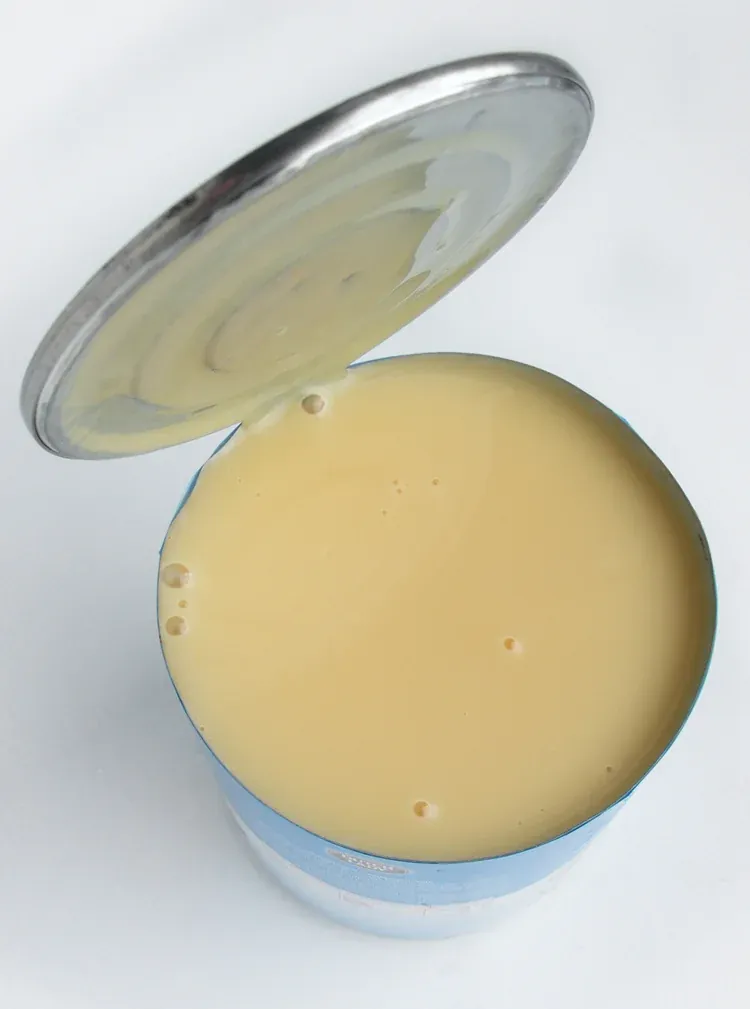
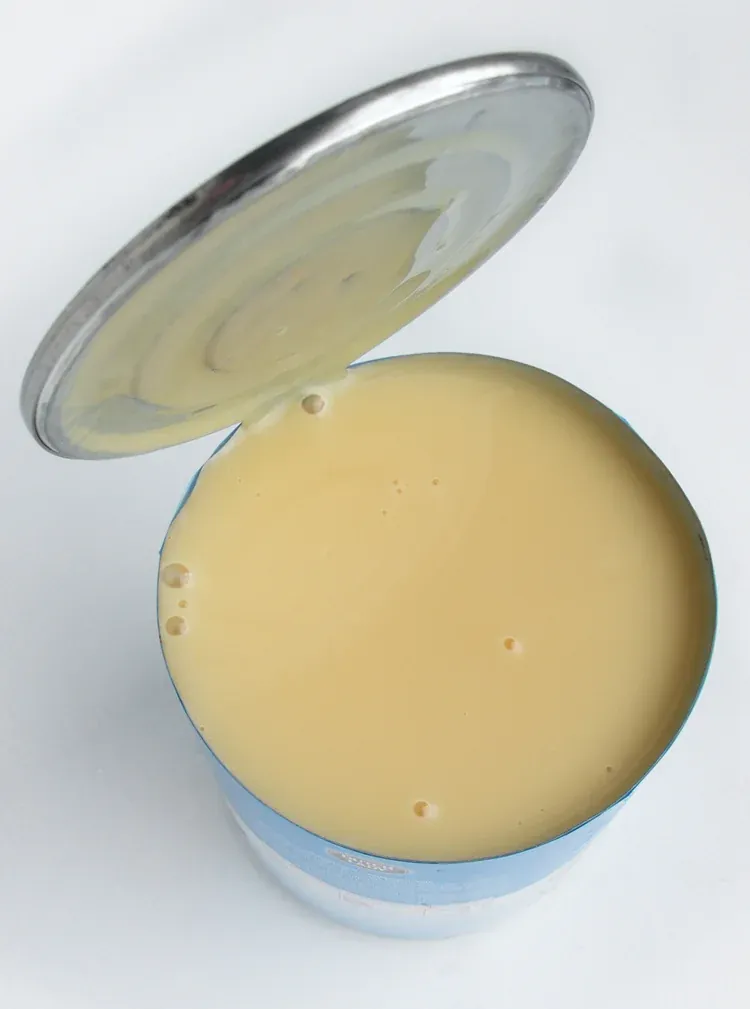
The American Civil War (1861–1865) was a watershed moment for dairy technology. Fresh milk was impossible to supply to armies in the field — it spoiled within hours, and refrigeration did not yet exist. The answer came from entrepreneur Gail Borden Jr., who had patented the process for condensed, sweetened milk in 1856.
The Union Army contracted massively with Borden's company to supply sweetened condensed milk in cans to soldiers. It provided:
- Calories, fat, and protein in a shelf-stable, portable format
- A sweet, comforting taste that boosted morale
- A safe (pasteurisation was not yet widespread) alternative to contaminated field water when mixed into coffee or tea
The Civil War demand launched Borden's company into national prominence. By the end of the war, condensed milk was a household staple across the United States, and the technology spread rapidly to Europe. Nestlé's entry into condensed milk in Switzerland (1866) was directly influenced by the American wartime experience.
World War I: Dairy and the Home Front
WWI placed enormous strain on European food systems. The British naval blockade of Germany caused severe food shortages by 1917, with milk rationed to children and nursing mothers only. Germany's Hindenburg Programme redirected agricultural resources to war production, collapsing dairy herds across the country.
In Britain, the Women's Land Army took over dairy farming as male agricultural workers enlisted. By 1918, women were milking herds, operating dairy equipment, and managing farms across the country — a social transformation that had lasting effects beyond the war.
The introduction of powdered milk technology during WWI — used in military rations and hospital nutrition — was another lasting technological legacy of the conflict.
World War II: The Milk Ration as Political Symbol
No single food was more politically charged in wartime Britain than milk. The wartime government understood that milk — with its calcium, protein, and vitamin D — was nutritionally critical for children, and the National Milk Scheme (1940) guaranteed subsidised or free milk to pregnant women, nursing mothers, and children under five.
Rationing in Britain allocated milk by priority group:
- Infants and young children received full-cream milk allocation
- Pregnant and nursing women received priority access
- General public received a reduced allocation (typically 2–3 pints per week)
The scheme worked remarkably well. Despite the privations of wartime, child health indicators in Britain improved during WWII compared to the 1930s Depression years — partly because the rationing system ensured that the poorest families received adequate nutrition for the first time.
In occupied France and the Netherlands, dairy herds were requisitioned by German forces. Dutch farmers famously hid cows, hid cheese wheels in barns, and maintained secret milk supplies for their communities — acts of agricultural resistance.
Powdered Milk and Logistics: WWII's Supply Revolution
The US military's wartime research dramatically advanced dairy technology. Spray-dried whole milk powder became a critical component of military rations (C-rations and K-rations), providing portable nutrition across the Pacific and European theatres.
The US also supplied dried milk powder to Britain, the Soviet Union, and China under the Lend-Lease programme. By some estimates, 650 million pounds of dried milk were shipped to allied nations during the war — a staggering logistical achievement that sustained millions of civilians and soldiers.
Post-War: UNICEF and the Milk Relief Programme
After WWII, the humanitarian crisis of European child malnutrition was addressed in part through organised dairy relief. UNICEF's early programmes — before the organisation formalised its broader mandate — focused significantly on providing milk to malnourished children in war-devastated Europe.
The famous "UNICEF milk" distributed to children in France, Italy, Greece, Poland, and Germany between 1946–1953 was largely American dried skimmed milk powder. For millions of European children, a cup of reconstituted UNICEF milk was the most nutritious thing they ate each day.
This programme also had a lasting effect on European dairy culture — it created a positive association between institutional milk provision and child welfare that persisted for decades, contributing to school milk schemes that survived until recently in many countries.
Korea, Vietnam, and the Cold War Dairy Race
In the Cold War era, dairy became an instrument of soft power. The US government's aggressive surplus dairy disposal programmes — distributing American cheese and butter to schools, food banks, and developing countries — was as much geopolitical strategy as humanitarian impulse. "Government cheese" entered American cultural vocabulary as a symbol of welfare dependency, while surplus dairy exports to developing nations were critiqued for undermining local dairy industries.
The Legacy of Wartime Dairy Innovation
Wars accelerated dairy technology by decades. Condensed milk, spray-dried powder, UHT processing, and efficient cold-chain logistics all have wartime roots. The modern global dairy industry — with its shelf-stable products, export infrastructure, and mass-production techniques — is, in part, a legacy of humanity's repeated need to feed armies and sustain civilians through conflict.
The next time you open a tin of condensed milk or stir a spoonful of dried milk into a cup of tea, you are touching a technology with deep and sobering history.
Related: The History of Milk | Milk in the Middle East