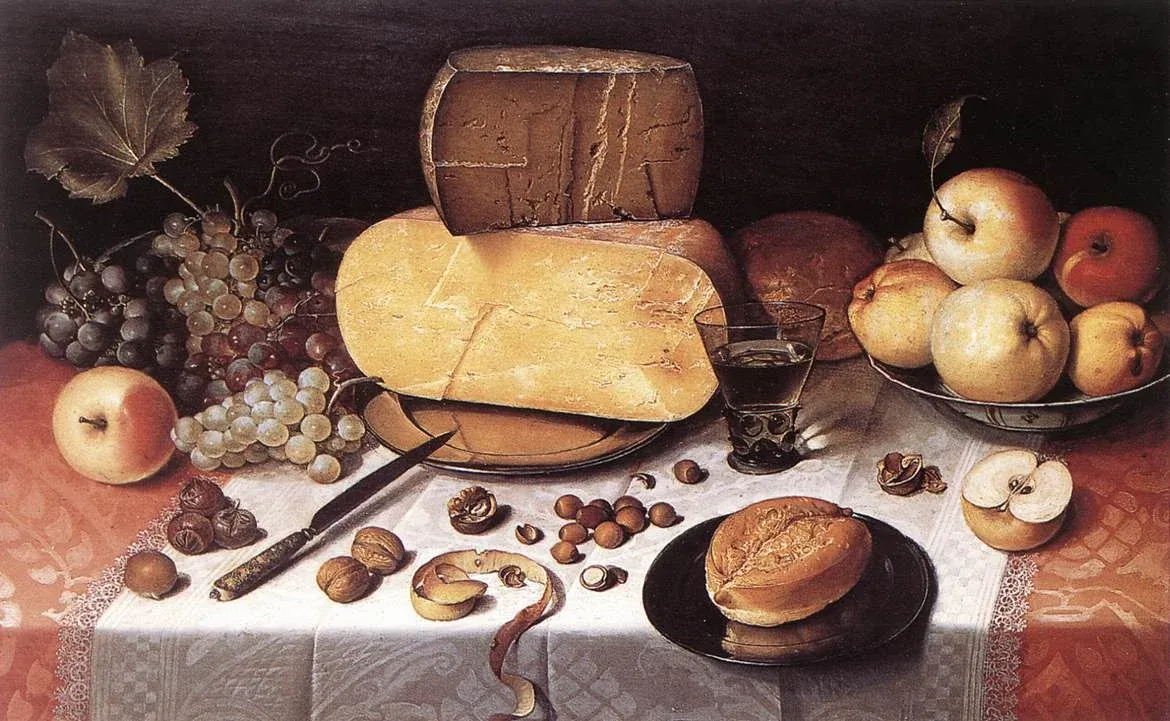
Sheep milk occupies a special place in the cheese world. It is less common than cow milk, more concentrated than goat milk, and capable of producing cheeses with remarkable intensity. Pecorino Romano, Manchego, Roquefort, Ossau-Iraty, Brebis, and many traditional Balkan and Middle Eastern cheeses all rely on ewe milk's unusual composition. The flavor is often described as nutty, lanolin-like, sweet, savory, or mineral, but the real explanation begins with basic dairy chemistry.
Compared with cow milk, sheep milk usually contains higher levels of fat, protein, total solids, calcium, and casein. In cheesemaking, this matters enormously. More solids mean more curd yield, denser texture, and stronger flavor concentration. A liter of sheep milk can produce noticeably more cheese than a liter of cow milk, which is one reason sheep milk cheeses often feel luxurious even before aging begins.
Why Sheep Milk Is So Good for Cheese
Cheese is essentially a controlled concentration of milk. The cheesemaker encourages proteins to coagulate, drains away watery whey, then manages salt, microbes, enzymes, and time. Sheep milk starts this process with a head start because it is naturally rich. Its casein structure forms curds that can be firm and efficient, while its fat carries aromatic compounds that develop during aging.
- Higher fat gives sheep milk cheeses their rounded mouthfeel and long finish.
- Higher protein improves curd yield and creates dense, sliceable textures.
- More minerals support firm structure and a savory impression.
- Seasonal grazing can add herbal, grassy, and regional flavor notes.
| Cheese | Region | Style | Flavor Profile |
|---|---|---|---|
| Pecorino Romano | Italy | Hard, salty, grating cheese | Sharp, savory, powerful |
| Manchego | Spain | Firm aged wheel | Nutty, buttery, grassy |
| Roquefort | France | Blue cheese | Salty, spicy, creamy, bold |
Pecorino: Salt, Age, and Roman Cooking
Pecorino simply means sheep-related in Italian, and several regional Pecorino cheeses exist. Pecorino Romano is the most famous internationally: hard, salty, and assertive. It is not designed to behave like mild cheddar or young Gouda. It is a seasoning cheese, traditionally grated into dishes such as cacio e pepe, amatriciana, and carbonara. Its salt level and sharpness can overwhelm a cheese board if served in large chunks, but in pasta it becomes a powerful flavor engine.
Manchego: The Balanced Sheep Milk Classic
Manchego from La Mancha in Spain shows another side of sheep milk. Made from Manchega sheep milk, it is usually firm, compact, and approachable, with a distinctive basket-weave rind pattern. Younger Manchego can be buttery and slightly tangy; older versions become more crystalline, nutty, and intense. It pairs beautifully with quince paste, almonds, olives, and dry Spanish wines because sweetness and acidity balance the milk's richness.
Roquefort: Blue Mold Meets Rich Milk
Roquefort is one of the world's great blue cheeses, made from sheep milk and matured in the natural caves of Roquefort-sur-Soulzon. The blue mold, Penicillium roqueforti, breaks down fats and proteins into intensely aromatic compounds. Sheep milk's richness gives the mold plenty to work with, creating a cheese that is salty, creamy, peppery, and sometimes almost sweet beneath its blue intensity.
How to Buy and Serve Sheep Milk Cheese
When buying sheep milk cheese, ask about age and intended use. A young sheep cheese may be excellent sliced with fruit, while an aged hard cheese may be better grated. Store wedges wrapped in cheese paper or lightly waxed paper inside a loose container, not sealed tightly in plastic for weeks. Let the cheese sit at room temperature for 30 to 60 minutes before serving, because cold fat mutes aroma and texture.
Sheep milk cheeses are proof that milk source matters. The animal, pasture, season, culture, salt, mold, and aging environment all combine to create flavor. Cow milk may dominate supermarket shelves, but sheep milk is where many of the world's most memorable cheeses begin.