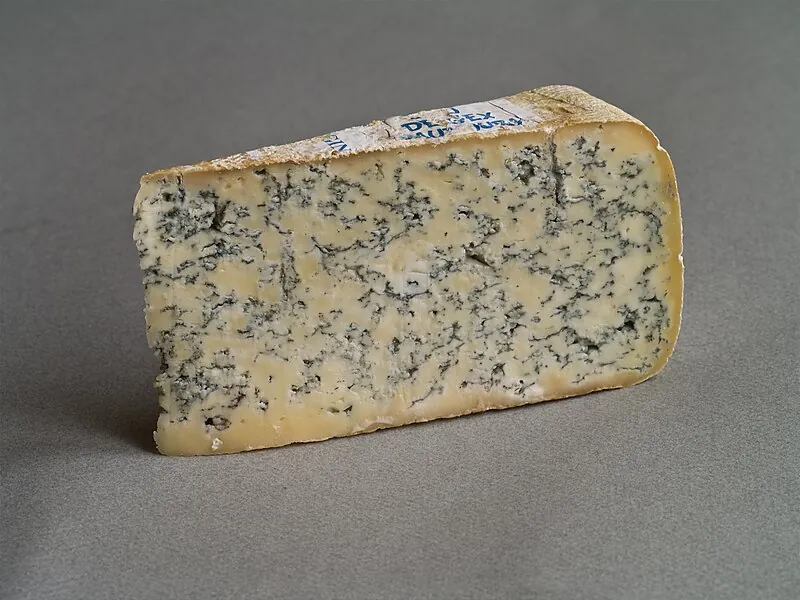
Compared to cow's milk, sheep's milk is almost embarrassingly rich. Where whole cow's milk contains around 3.5% fat and 3.2% protein, sheep's milk averages 6–8% fat and 5–6% protein — more than double on both counts. This extraordinary concentration of nutrients is not an accident: ewes produce far less milk than cows (roughly 150–300 litres per lactation vs. 6,000–10,000 for a dairy cow), but every litre is packed with the caloric density a rapidly growing lamb needs. Humans discovered early that this richness translated into cheese of extraordinary intensity and flavour — and the world's most celebrated aged cheeses reflect that discovery.
The Nutritional Profile
Sheep's milk is nutritionally extraordinary:
- Calcium: 193mg per 100ml — significantly higher than cow's (119mg) or goat's (134mg) milk
- Vitamin B12: Very high — among the best animal sources
- Conjugated linoleic acid (CLA): Higher than cow's milk, particularly from grazing ewes
- Short and medium chain fatty acids: Responsible for the distinctive, slightly nutty-sweet flavour of sheep's milk products
- Beta-casein: Sheep's milk is naturally A2 — potentially relevant for those with A1 sensitivity
The high fat and protein content means sheep's milk cheese has a much longer shelf life than cow's milk equivalents, and ages to greater complexity. A 24-month Manchego or a 36-month Pecorino Romano achieves intensity that no equivalent aged cow's milk cheese matches.
The Great Sheep's Milk Cheeses
Pecorino Romano (Italy)
The ancient Roman legionary's cheese — salty, sharp, hard, and made from the milk of the Sarda breed of sheep on Sardinia and in Lazio. One of the world's oldest continuously produced cheeses, with documentation stretching back over 2,000 years. Essential ingredient in cacio e pepe and carbonara — where its sharpness cuts through the richness of butter or guanciale.
Manchego (Spain)
The definitive cheese of La Mancha — a firm, golden cheese with a distinctive zig-zag rind pattern from the traditional esparto grass mould. Made exclusively from the milk of the Manchega sheep breed. Three ageing categories: semicurado (3 months — mild, buttery), curado (6 months — firmer, nuttier), and viejo (12+ months — intense, crystalline). PDO-protected.
Roquefort (France)
The world's most celebrated blue cheese — made only from the raw milk of Lacaune sheep, aged in the natural limestone caves of Combalou near the village of Roquefort-sur-Soulzon. The blue-green veining from Penicillium roqueforti creates a complex, buttery, intensely flavoured cheese that has been protected by French royal decree since 1411 — the first food product with formal geographical protection in history. One of three original French AOC-protected cheeses.
Ossau-Iraty (France)
The traditional cheese of the Basque Country and Béarn — semi-hard, pressed, with a gentle nuttiness and sweet finish from the milk of Manech and Basco-Béarnaise ewes grazing the Pyrenean foothills. Eaten at any age from 3 to 18 months; traditionally served with Basque cherry jam (confiture de cerises noires d'Itxassou). Completely underrated outside France.
Feta (Greece)
The world's most consumed sheep's milk cheese — fresh, crumbly, brined, and made from at least 70% sheep's milk (remainder goat's). PDO-protected to specific regions of Greece. The sharp, salty, slightly acidic character of genuine Greek feta is entirely different from imitation products — the specific microbial environment, the mineral character of the milk from Feta's native grazing regions, and the brine ageing contribute flavours that cannot be replicated elsewhere.
Sheep's Milk Yoghurt and Fresh Products
Beyond cheese, sheep's milk produces extraordinary fresh products. Sheep's milk yoghurt — rich, thick, with a distinctive sweetness and slight lanolin note — is consumed across Greece, Turkey, the Middle East, and Central Asia. It is the base for authentic Greek strained yoghurt (straggistó) in many traditional dairies. The whey from sheep's milk cheese-making produces ricotta — the gentle, sweet fresh cheese that is actually a by-product of Italian sheep dairy rather than a primary product.
Global Sheep Dairy Regions
- Mediterranean: Italy (Sardinia, Lazio, Sicily), Spain (Castile-La Mancha, Basque Country), France (Provence, Pyrenees), Greece (everywhere)
- Middle East: Turkey, Syria, Lebanon — sheep's milk yoghurt and fresh cheeses dominant
- Central Asia: Kazakhstan, Kyrgyzstan — fermented sheep's milk (shubat)
- New World: Vermont, California, New South Wales — growing artisan sheep dairy sectors
If you have only ever eaten cow's milk cheese, a tasting of genuine Manchego, Ossau-Iraty, and Roquefort is a revelation — three expressions of the same raw material separated by geography, ageing, and technique into completely different flavour worlds. Sheep's milk is dairy at its most extreme, and its cheeses are among the greatest foods humanity has produced.
Related: The Art of Cheese: From Milk to Masterpiece | Lactose Intolerance: Myth or Reality?