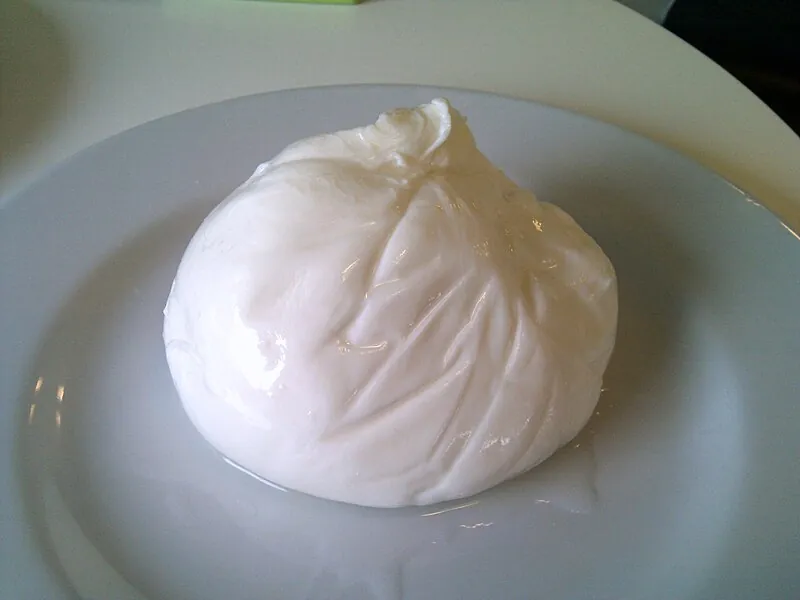
Mascarpone is one of the few cheeses that is almost entirely fat, and that is precisely what makes it irreplaceable. Produced in the Lombardy region of northern Italy, particularly around the towns of Lodi and Abbiategrasso, it is made by acidifying double cream (or occasionally triple cream) with citric or tartaric acid and then draining the thickened result through cloth. The finished product contains 60 to 75 percent fat, compared to 33 percent for standard cream cheese. That extraordinary richness is why tiramisu is not tiramisu without it, and why it transforms every sauce, cake, and tart it touches.
What Makes Mascarpone Different from Other Soft Cheeses
Mascarpone is frequently confused with cream cheese, crème fraîche, and ricotta, but each is a distinct product with different fat content, texture, and culinary behaviour.
- Cream cheese (Philadelphia-style): 33% fat, made from a mixture of cream and whole milk, has a firmer, more tangy, slightly grainy texture. It holds its shape well when baked but lacks the silkiness of mascarpone.
- Crème fraîche: typically 30–40% fat, made by culturing cream with bacterial cultures that produce a gently sour, nutty flavour. It is pourable at room temperature and more acidic than mascarpone.
- Ricotta: only 10–13% fat, made from the whey left over after making other cheeses, with a grainy, loose texture and a mildly sweet flavour. It is much lighter than mascarpone and cannot substitute for it in most recipes without losing body.
Mascarpone has virtually no tang. It is sweet, buttery, and smooth to the point of being almost spreadable straight from the container. Because of its high fat content it does not curdle under moderate heat, but it also does not bake the same way cream cheese does; it remains very soft even after cooking, which is why no-bake preparations suit it best.
Tiramisu: Why Mascarpone Is Non-Negotiable
The classic Italian tiramisu recipe relies on mascarpone for structural reasons, not just flavour. The standard method combines egg yolks whisked with sugar until pale (zabaglione-style), which are then folded into softened mascarpone, followed by stiffly beaten egg whites or whipped cream. The fat in mascarpone gives the mixture enough body to set in the refrigerator as a stable, sliceable layer. Cream cheese produces a denser, more rubbery result. Whipped cream alone collapses.
The correct technique matters at two points. First, the mascarpone must be at room temperature before mixing; cold mascarpone can split when egg yolks are folded in, creating a grainy, broken texture. Second, the savoiardi (ladyfinger biscuits) should be dipped briefly, one second per side, in strong espresso spiked with marsala or coffee liqueur. Over-soaked biscuits turn the dessert soggy. The assembled dish should rest in the refrigerator for at least four hours and ideally overnight, which allows the layers to firm and the flavours to meld.
Six Ways to Use Mascarpone Beyond Tiramisu
1. Pasta Carbonara Enrichment
A tablespoon of mascarpone stirred into a classic carbonara sauce just before serving adds silkiness without altering the flavour profile. The fat content helps the egg-and-Pecorino sauce cling to the pasta rather than pooling at the bottom of the bowl. Start with one tablespoon per two portions and adjust to taste.
2. No-Bake Cheesecake Base
Mascarpone makes an outstanding no-bake cheesecake because it sets firmly in the refrigerator without gelatine when combined with whipped cream and a little icing sugar. A ratio of 250g mascarpone to 150ml double cream, whipped together, then spread onto a digestive biscuit base, produces a firm, sliceable cheesecake after four hours of chilling. Lemon zest and a small amount of vanilla are the classic additions.
3. Mushroom Mascarpone Pasta Sauce
Sauté 300g of mixed mushrooms (porcini and chestnut work best) in butter with garlic and thyme. Deglaze the pan with a splash of white wine, reduce by half, then stir in 100g of mascarpone and a handful of grated Parmigiano-Reggiano. The result is a rich, clinging sauce that requires no flour or cream and takes less than 15 minutes from start to plate.
4. Strawberry and Mascarpone Dessert
This is one of Italy's simplest summer desserts. Hulled strawberries are macerated with sugar and a little balsamic vinegar for 30 minutes, then served with a large spoonful of sweetened mascarpone (mixed with icing sugar and a drop of vanilla). The contrast between the acidic fruit and the fat, sweet cream is the entire point.
5. Mascarpone on Pizza
Several northern Italian pizzerias dot mascarpone onto pizza either before baking (where it melts into creamy puddles) or after (where it stays cool and contrasts with the heat). It pairs particularly well with cured meats like speck or bresaola, fresh rocket, and a drizzle of honey.
6. Savoury Tarts
A mascarpone and roasted tomato tart using a shortcrust pastry shell, a layer of seasoned mascarpone (mixed with fresh herbs and lemon zest), and roasted cherry tomatoes on top makes a versatile lunch or starter. Because mascarpone does not need to be baked at high heat to set, the tart works both warm and at room temperature.
How to Make Mascarpone at Home (30-Minute Method)
The process requires only two ingredients: 500ml of heavy double cream (at least 36% fat) and one teaspoon of citric acid (or two tablespoons of lemon juice as a less reliable but accessible alternative).
- Pour the cream into a heavy-bottomed saucepan and heat over medium heat to 85°C, stirring frequently to prevent scorching.
- Remove from heat and stir in the citric acid. The cream will thicken noticeably within one to two minutes.
- Allow to cool to room temperature, then transfer to a cheesecloth-lined strainer set over a bowl.
- Refrigerate for eight to twelve hours. The whey drains off and you are left with thick, spreadable mascarpone.
This yields approximately 400g and keeps for up to five days in an airtight container in the refrigerator. Citric acid (available from baking suppliers) produces a cleaner, more neutral flavour than lemon juice. Using lemon juice leaves a faint citrus note that is noticeable in delicate preparations like tiramisu.
Shelf Life, Storage, and What to Do with Leftovers
Commercial mascarpone typically has a use-by date of two to three weeks from manufacture, but once opened it should be consumed within three to five days. It does not freeze well; the fat and water separate on thawing, producing a grainy, watery result that cannot be rescued. Store it in the coldest part of the refrigerator (2–4°C) with the lid sealed.
For leftover mascarpone, several quick applications work well: whip it with a little honey and spread it on toast; thin it with milk and use it as a salad dressing base; fold it into mashed potato for an unusually silky result; or use it as a spread under smoked salmon on a bagel.
Emergency Substitutes
When mascarpone is unavailable, the closest substitute is a blend of 225g full-fat cream cheese softened with 3 tablespoons of heavy cream and 1 tablespoon of sour cream. The mixture will be slightly more tangy and less rich, but it holds together adequately for tiramisu and cheesecake. Crème fraîche can substitute in sauces where a little acidity is not a problem, but it will not produce the same body in desserts. There is no fully satisfactory vegan substitute; cashew cream is the nearest approximation, but the flavour and texture are different enough to change the dish substantially.
Related: Parmigiano-Reggiano: The King of Cheeses | How to Build the Perfect Cheese Board