[Featured Image: Glass bottles of raw farm milk — warm, rustic farm setting. Source: Unsplash.com (free licence), search "raw milk farm" or "glass milk bottle".]
Few topics generate more heat in food communities than raw milk. On one side: public health authorities, food safety agencies, and most mainstream nutritionists, who point to documented outbreaks of serious illness linked to raw milk consumption. On the other: a passionate community of farmers, food rights advocates, and artisan dairy enthusiasts who argue that pasteurisation destroys beneficial compounds and that properly produced raw milk is safer than its reputation suggests. Both sides have points. Here is the full picture.
What Raw Milk Is — and What Pasteurisation Does
Raw milk is milk that has not been heat-treated to kill bacteria. It comes directly from the cow (or goat, sheep, or other animal), filtered and cooled, and bottled without any thermal processing.
Pasteurisation applies heat to destroy pathogenic bacteria — including Listeria monocytogenes, Salmonella, E. coli O157:H7, Campylobacter, Brucella, and the organism responsible for bovine tuberculosis (Mycobacterium bovis). The most common method (HTST) heats milk to 72°C for 15 seconds — a process that kills these pathogens while leaving the milk's proteins, fats, and most vitamins intact.
The Safety Arguments
The case against raw milk:
- The US CDC reports that raw milk causes approximately 840 times more illnesses per litre than pasteurised milk
- Serious illnesses from raw milk include hemolytic uremic syndrome (HUS) from E. coli — particularly dangerous for children — and listeriosis, which has a significant mortality rate
- High-risk groups (pregnant women, immunocompromised individuals, elderly, young children) face serious danger from raw milk pathogens
- Even excellent raw milk from impeccable farms can carry pathogenic bacteria — because healthy cows can shed pathogens intermittently without showing symptoms
The case for raw milk (from proponents):
- In countries with stringent raw milk regulations (France, Switzerland, UK, Netherlands), properly produced raw milk has an excellent safety record — comparable to other raw foods like oysters, salads, and deli meats
- Raw milk contains native bacteria (lactic acid bacteria) that naturally suppress pathogen growth and contribute to a healthy milk microbiome
- Raw milk contains bioactive compounds — lactoferrin, lysozyme, immunoglobulins — that have antimicrobial properties and may support gut health
- Farm hygiene is the key variable: raw milk from a meticulously clean, low-SCC, regularly tested farm is genuinely different in risk profile from poorly produced raw milk
What Pasteurisation Changes — and What It Doesn't
The claim that pasteurisation "destroys" milk's nutritional value is overstated — but not entirely without basis:
| Component | Effect of HTST Pasteurisation |
|---|---|
| Vitamins (A, D, E, K) | Minimal loss (<10%) |
| Vitamin B12 | Minimal loss (<10%) |
| Vitamin C | Some loss (20–30%), but milk is not a significant vitamin C source |
| Calcium | No meaningful change |
| Proteins (casein) | No significant change |
| Whey proteins | Some denaturation at higher temperatures (minimal in HTST) |
| Lactase enzyme | Inactivated — but humans produce their own lactase |
| Bioactive enzymes (lipase, alkaline phosphatase) | Largely inactivated |
| Beneficial bacteria (Lactobacillus etc.) | Largely killed — milk microbiome significantly altered |
| Immunoglobulins | Partially denatured at HTST; significantly more at UHT |
The flavour difference is more significant than the nutritional difference. Many people who try genuinely fresh, high-quality raw milk for the first time remark that it tastes "more alive" — creamier, with more complexity, and a distinct sweetness. This reflects both the intact microbial character of the milk and the freshness factor (raw milk sold at farm gate is often hours old, not days).
The Legal Landscape
Raw milk legality varies enormously:
- Freely available: France, Switzerland, Austria, Germany (at farm gate), the Netherlands, many Eastern European countries
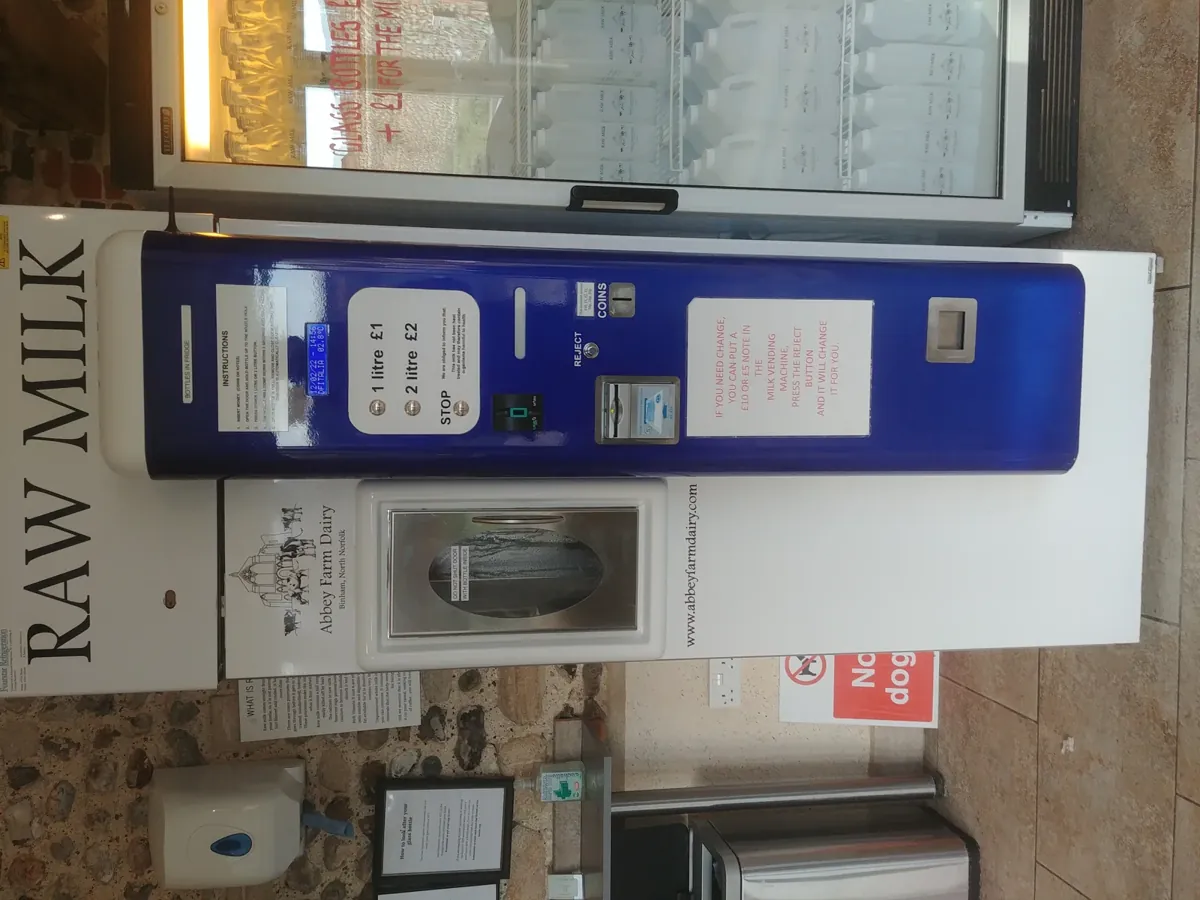
- Legal with restrictions: UK (England, Wales, Northern Ireland — licensed "green top" milk from registered farms; illegal in Scotland), about 30 US states
- Illegal for sale: Canada, Australia (except certain aged raw-milk cheeses), Scotland, most of the US interstate commerce
Raw Milk Cheese: The Middle Ground
Many dairy enthusiasts who would not drink raw milk actively seek out raw milk cheese. The extended ageing process (most regulations require at least 60 days for raw milk cheeses) reduces — though does not eliminate — pathogenic risk, and the flavour benefits of raw milk are substantial in aged cheese.
The world's greatest cheeses — Comté, Parmigiano-Reggiano, Gruyère AOP, Roquefort, raw-milk Cheddar — are all made from unpasteurised milk. The fermentation and ageing process creates an environment hostile to most pathogens while preserving the complex microbial character that defines the cheese's flavour.
Where Does This Leave the Consumer?
The honest answer is nuanced:
- If you are healthy, not pregnant, and not immunocompromised, high-quality raw milk from a reputable, regularly tested farm is a real food choice with real flavour advantages and only marginally elevated risk compared to other raw foods
- If you are pregnant, elderly, immunocompromised, or feeding young children — choose pasteurised
- Raw milk cheeses (particularly long-aged varieties) offer much of the flavour complexity of raw milk with significantly reduced risk
- The quality of the source farm matters more than any other variable in raw milk safety
The raw milk debate, ultimately, is about food philosophy as much as food safety — about who controls what we eat, how we value tradition versus industrial standardisation, and what risks we are willing to accept for flavour and authenticity. It is a conversation worth having.
Related: What Makes Good Quality Milk? | Cow Feeding Techniques for Better Milk